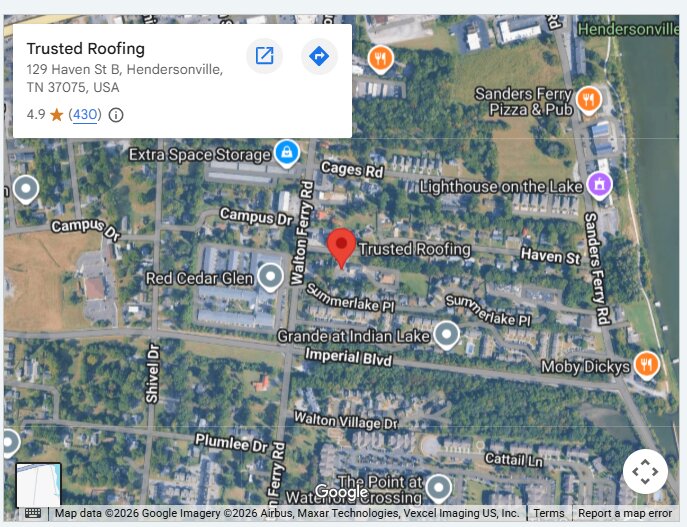
Trusted Roofing (Middle Tennessee) launched an educational blog series aimed at helping homeowners spot early roof-leak warning signs—such as missing shingles, lifted flashing, ceiling stains, clogged gutters, and attic moisture—before minor issues escalate into costly repairs. The company says local contractors are still seeing preventable leak damage from delayed inspections and postponed maintenance, driven by frequent weather stress (heavy rain, wind, storms, and temperature swings). This is a service/marketing update with no disclosed financial figures and is unlikely to impact broader markets.
This is not a direct catalyst for the named company; it is a micro-signal for a broader climate-adaptation spend bucket. The economic winners are the higher-frequency, lower-friction parts of the roof-maintenance chain: distributors, building-material suppliers, and home-improvement retailers that capture small repairs before they become full replacements. The second-order loser is any contractor model that relies on large-ticket replacement work, because better early detection can shrink average job size even if lead volume rises.
Near term, there is no standalone trading edge. Over 1-3 months, the only real catalyst is weather: a few storm cycles can convert this into measurable demand for inspections, tarping, and repair materials; absent storms, the impact stays local and promotional. Over 6-18 months, repeated extreme-weather events should support a slow structural lift in maintenance frequency, but that is more a steady margin-supporting tailwind than a breakout growth theme.
The contrarian read is that the market tends to over-interpret climate risk as automatically bullish for replacement demand. In practice, prevention and early repair can pull revenue forward while reducing full-scope jobs, which is better for distributors than for labor-heavy contractors. The thesis is falsified if next-quarter commentary from home-improvement and roofing-distribution names shows no repair/remodel acceleration, or if storm activity and homeowner claim frequency revert to seasonal norms.
AI-powered research, real-time alerts, and portfolio analytics for institutional investors.
Request DemoOverall Sentiment
neutral
Sentiment Score
0.00
