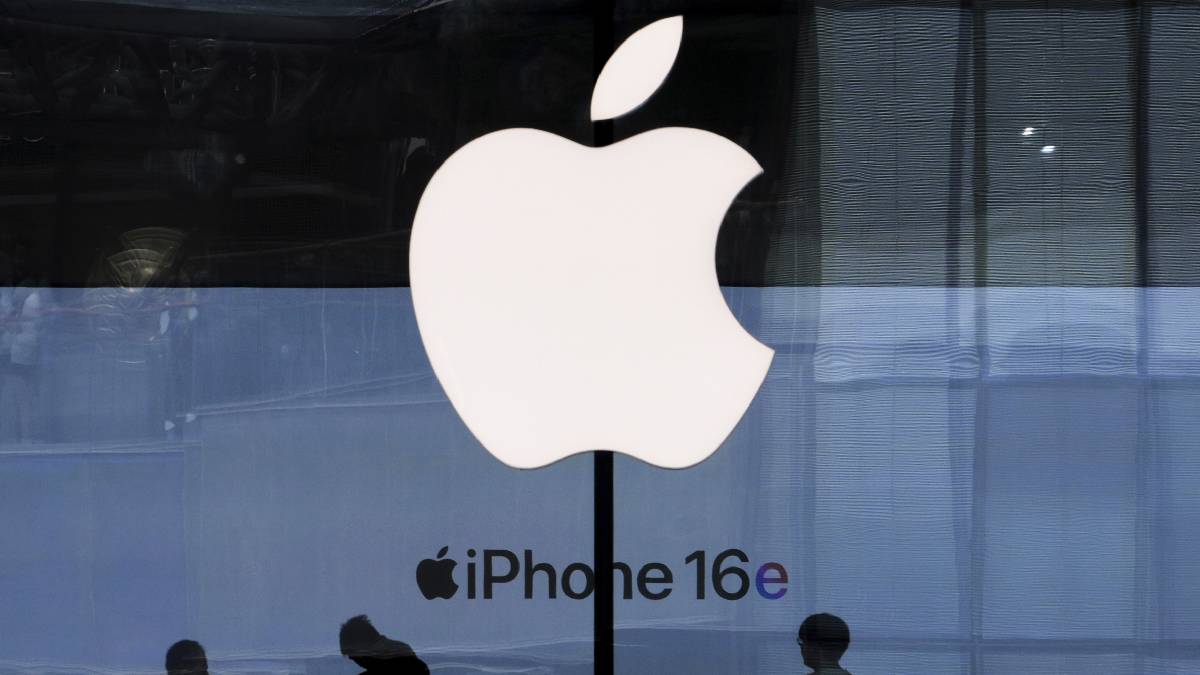
Apple, long a driver of smartphone innovation, is characterized as losing its visionary edge as competitors such as Google, Samsung and Chinese manufacturers advance faster on features—most notably generative AI. The company has struck a partnership to leverage Google’s Gemini to power “Apple Intelligence” and is not expected to fully overhaul Siri until 2026; hardware experiments like Vision Pro and new iPhone variants have not reignited breakthrough momentum. Despite these strategic and innovation concerns, Apple remains financially robust with record valuation levels and substantial profits from services, Apple Watch and M-series chips, leaving its market leadership intact but its growth story and innovation premium in question.
Market structure: The immediate beneficiaries are Alphabet (GOOGL/GOOG) and AI chip/cloud suppliers (NVDA, AMD, MSFT cloud) that power generative models; losers are Apple (AAPL) and premium handset makers that compete on hardware-only upgrades. Expect a slow reallocation of pricing power from device ASPs to AI services/subscription revenue over 12–36 months; a 1–3% annual decline in iPhone ASPs would meaningfully compress device gross margins unless services growth >200–300 bps offsets it. Cross-asset: higher dispersion lifts equity vols (AAPL, GOOGL), supports semiconductor commodity prices (HPC DRAM/Flash up 5–15% on cyclical demand), and would likely modestly strengthen USD on US tech outperformance.
Risk assessment: Tail risks include regulatory intervention on the Google–Apple AI tie-up (probability 10–25% over 12–24 months), a China supply-shock hitting AAPL revenues (>15% topline hit scenario), or a major AI safety/recall event that slows adoption. Timeline: immediate (days–weeks) headlines and option vols; short-term (q1–q3 2026) earnings and product reveals; long-term (2026–2028) execution of Siri/Apple Intelligence and AI moat crystallization are decisive. Hidden dependency: Apple’s services revenue is tightly correlated to active installed base retention; small iPhone churn increases service revenue risk by multiples.
Trade implications: Establish a 3–4% long position in GOOGL (buy 6-month call spreads at +15–25% strike) and a 2–3% short/exposure to AAPL (buy 3-month put spread or short equity if AAPL rises >5% in next 2 weeks). Pair trade: long GOOGL / short AAPL 1:1 sized to net delta neutrality; size a 1–2% thematic long in NVDA or SMH for AI hardware. Enter within 2–6 weeks ahead of next earnings/WWDC; trim on +10% move or on material regulatory headlines.
Contrarian angles: The market may over-penalize AAPL’s innovation narrative while underweighting services resilience and buybacks — consider a tactical 1–2% long AAPL if price drops >10% (buy Jan 2027 LEAPS or deep ITM call spread) for a 12–24 month recovery play. Conversely, regulatory scrutiny of the Google partnership is an underpriced tail; buy 6–12 month out-of-the-money puts on GOOGL (cheap insurance) if antitrust filings increase. Historical parallel: incumbents (MSFT in cloud era) lost narrative leadership then recovered via services — possible for AAPL if it executes Apple Intelligence by 2026–27.
AI-powered research, real-time alerts, and portfolio analytics for institutional investors.
Request DemoOverall Sentiment
moderately negative
Sentiment Score
-0.35
Ticker Sentiment
