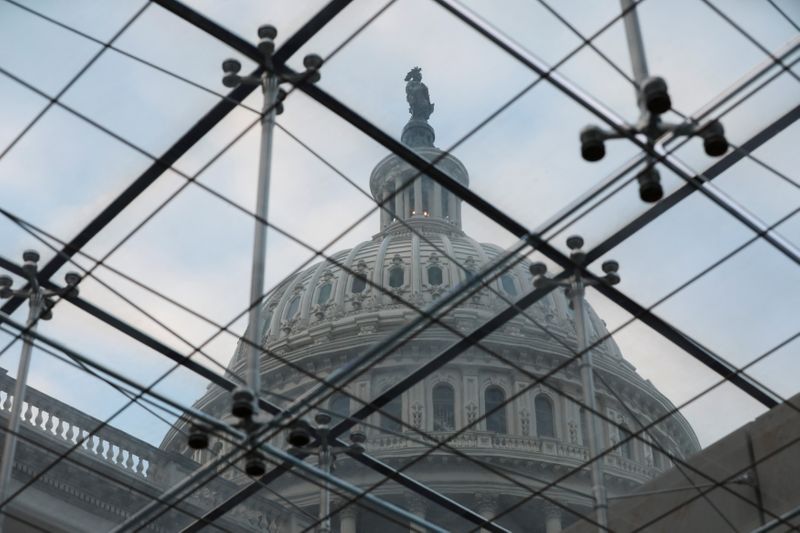
BCA Research says Democrats are on course for gains in the November midterms, with an oil shock from the Iran war seen as the key swing factor. The firm’s Senate model still points to a narrow 51-49 Republican majority, but it sees a viable path for Democrats to win control if they capture at least 8 of the 11 most competitive races, including potential upsets in Alaska, Texas and Nebraska. Persistent elevated oil prices could lift Democratic sweep odds to 65%-75% and keep energy costs structurally high through 2026.
The market is likely underpricing how persistent an oil shock can be as an equity and sector rotation catalyst. If energy stays structurally tight into 2026, the second-order effect is not just higher headline inflation but a forced repricing of consumer discretionary, transport, small-cap cyclicals, and rate-sensitive financials as margin pressure and credit deterioration compound into year-end and then feed into 2026 guidance resets.
The more interesting trade is not simply “higher oil = more energy longs,” but the divergence between cash-flow winners and balance-sheet survivors. Integrateds and low-cost shale names can self-fund capex and buybacks, while airlines, rail, trucking, chemicals, and retailers face the double hit of input-cost inflation and weaker household demand; that spread usually widens first in earnings revisions, then in multiples. If political outcomes remain fluid, implied volatility in domestic cyclicals should stay bid because the market cannot cleanly discount either policy relief or prolonged disruption.
From a macro standpoint, the consensus may be too quick to assume a ceasefire normalizes anything. Even if shipping resumes, the lag from damaged infrastructure, inventory rebuilding, and precautionary inventory hoarding can keep energy and freight costs elevated long enough to affect the next two reporting seasons. That creates a window where “relief rallies” in beaten-up consumers may be false starts, while energy and defense-adjacent names can keep grinding higher on policy uncertainty alone.
The contrarian risk is that positioning is becoming too one-way toward an energy-shock/Republican-loss narrative. If shipping normalizes faster than expected or if fiscal/monetary backstops cushion consumers, the market could snap back aggressively in laggards that have de-rated on recession fears. In that scenario, the cleanest expression is not outright index direction but a pairs trade that isolates the price shock from the political headline noise.
AI-powered research, real-time alerts, and portfolio analytics for institutional investors.
Request DemoOverall Sentiment
mildly negative
Sentiment Score
-0.15
