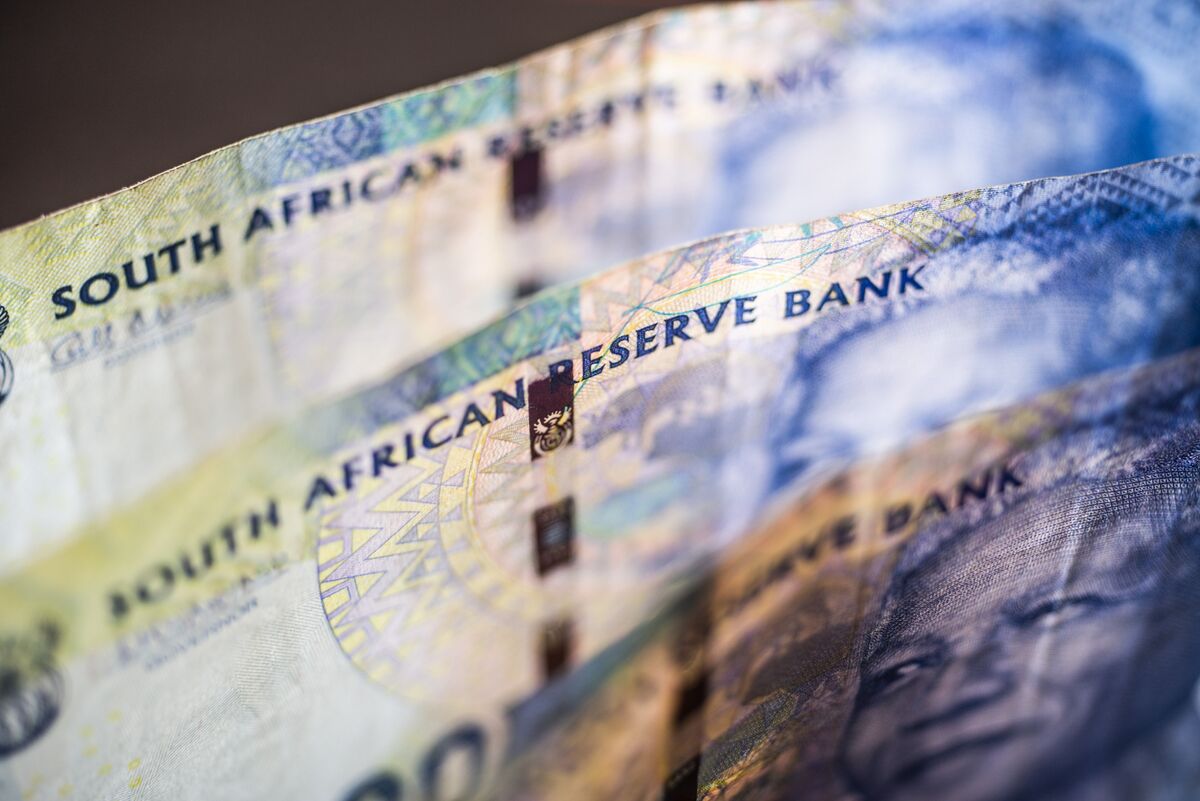
South Africa’s SARB says Iran-war-driven volatility lifted rand FX activity in Q1, pushing average daily turnover up by as much as 20%. Transactions against the rand rose to $13.7B from $11.4B over the prior three months, and third-currency transactions increased to $5.3B from $4.6B—signaling higher trading intensity and near-term risk for FX liquidity.
The investable signal here is not “more rand trading” per se, but that the market is paying up for hedgeable volatility. That helps South African banks with meaningful FX franchises and client-flow capture, but only modestly: market-making income tends to be lumpy, and elevated turnover can be offset by wider bid/ask risk, higher VaR, and more conservative balance-sheet usage. The real winner is whichever franchise can convert stress into fee income without getting trapped warehousing inventory.
The second-order read-through is more important for domestic SA assets. If geopolitical risk keeps the rand unstable, importers, airlines, retailers, and any company with USD-linked input costs face margin pressure before they show up in reported earnings; the hedge book usually lags the move by weeks. Over 1-3 months, the key catalyst is whether this becomes sustained realized volatility or just a one-off headline spike—if vol mean-reverts, the earnings uplift for banks disappears quickly, while the macro drag on risk assets can persist.
Contrarian view: the market may be over-interpreting a turnover spike as evidence of “activity” rather than stress. Central-bank flow data is backward-looking and often peaks when hedging demand is already crowded; that usually marks a late-stage move in the currency, not the start of a durable trend. Falsifiers are straightforward: a ceasefire / de-escalation that compresses implied and realized FX vol, or a USD/ZAR reversal back into the prior range, which would argue against both the banks-upside and the broader risk-off thesis.
AI-powered research, real-time alerts, and portfolio analytics for institutional investors.
Request DemoOverall Sentiment
mildly negative
Sentiment Score
-0.15
Ticker Sentiment
