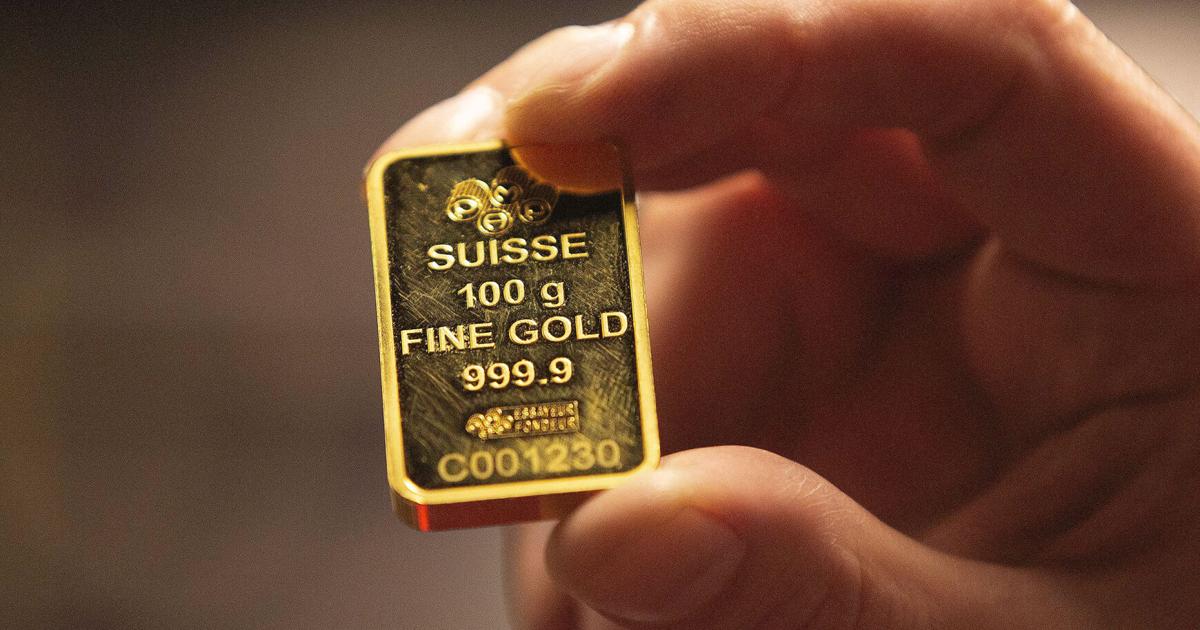
States including Utah, Texas, Wyoming and Georgia are advancing or considering gold-backed payment systems and gold tax exemptions, with Utah already allowing up to 10% of reserve funds to be invested in gold. Utah reports about $1.4 billion in reserves, including roughly $178 million in gold, while Wyoming is storing state-owned gold worth millions and Texas operates the nation’s first state-administered precious metals depository. The policy push is framed as an inflation hedge, but critics argue it could create tax havens and unnecessary government involvement in the gold market.
The investable signal is not “gold goes up,” but that state-level fiscal experimentation is creating a shallow, policy-driven bid for the plumbing around precious-metals custody, payment rails, and compliance. The first-order beneficiaries are likely to be the infrastructure providers that sit between vaulting, card issuance, and FX conversion rather than bullion itself; this is a regulation-led distribution story, not a new source of monetary demand. If a few states operationalize vendor payment rails, the more durable effect is legitimization: that can pull in regional banks, prepaid program managers, and B2B fintechs that can package metals exposure as a treasury product.
The real second-order risk is that governments add enough oversight/tax reporting to make the user experience worse, which would cap adoption by the very cohort most likely to use gold as a distrust trade. That creates a classic adoption kink: initial headlines drive activity, but utility falls off quickly if spreads, custody fees, or tax friction eat the inflation hedge. In that scenario, the market opportunity migrates from consumer-facing spend-to-sell products to institutional vaulting, treasury management, and white-labeled ledger services.
For macro, this is modestly bearish for cash-like deposit stickiness at the margin if high-net-worth savers begin parking small balances in gold wrappers, but the effect should be slow and limited unless tax policy changes materially. The cleaner trade is to view this as a volatility hedge: if inflation expectations reaccelerate or real rates roll over, gold itself benefits; if not, the legislative wave probably under-delivers because gold remains an inconvenient medium of exchange. The most likely outcome is not mass payments adoption, but a small, durable niche that monetizes compliance and custody friction.
AI-powered research, real-time alerts, and portfolio analytics for institutional investors.
Request DemoOverall Sentiment
neutral
Sentiment Score
0.05
