


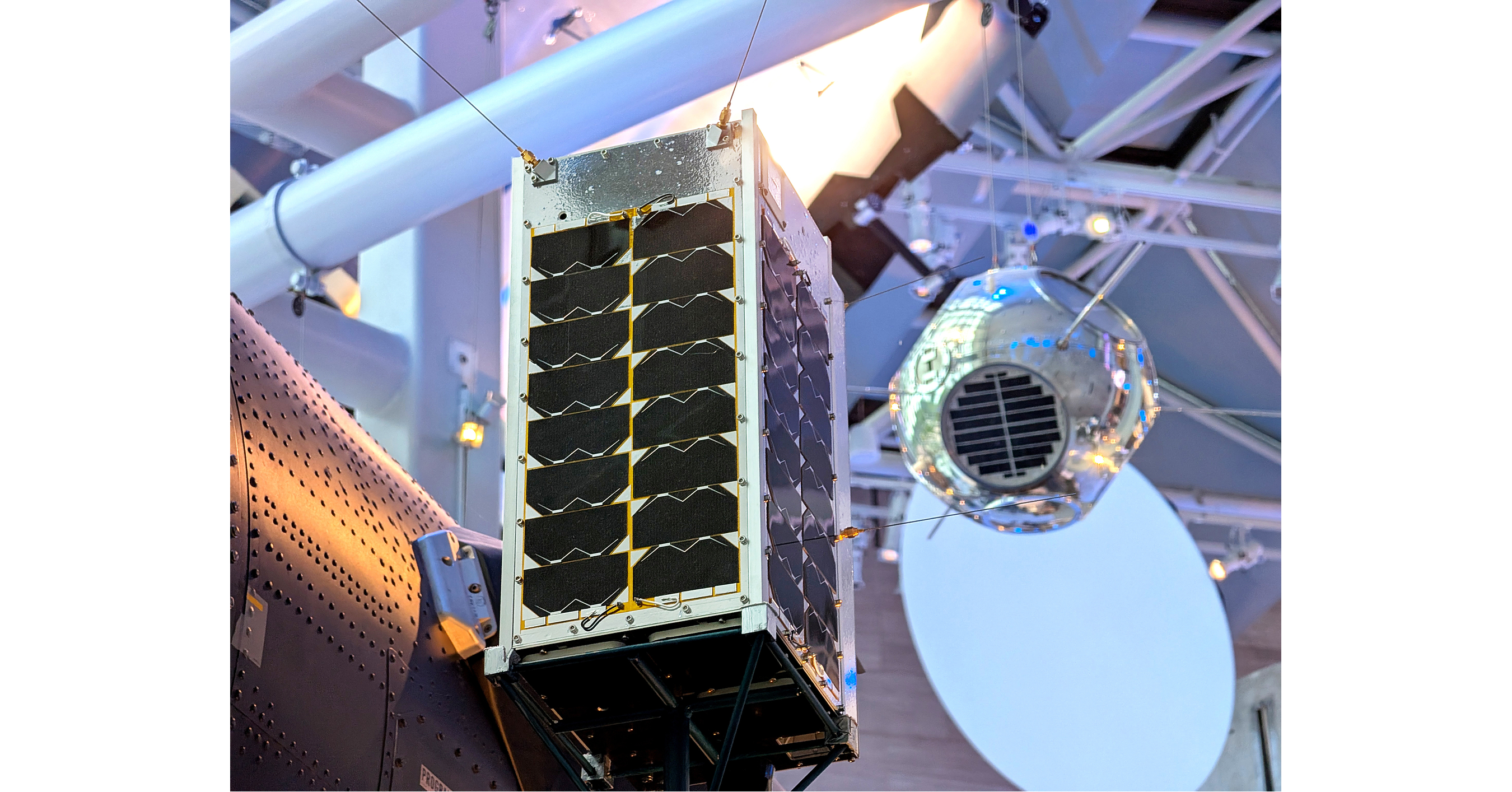
HawkEye 360 said a model of its Pathfinder satellite is featured in the Smithsonian’s National Air and Space Museum’s “RTX Living in the Space Age” hall. Pathfinder—launched in December 2018 and operated in a three-satellite formation ~500 km above Earth—ran for over six years (exceeding a two-year demo) and served as the foundation for HawkEye 360’s constellation, now expanded to 30+ satellites, with decommissioning completed at end-2024. The announcement is a positive recognition of its defense signals-intelligence technology, but it is not accompanied by financial metrics or guidance changes.
This is reputationally supportive for HAWK, but the market mechanism is narrow: museum validation reduces perceived “science project” risk and can modestly improve win rates with government buyers that prefer vendors with operational legitimacy. The incremental value is mostly in BD velocity and procurement confidence, not in next-quarter revenue, so any price reaction should fade unless followed by contract announcements or backlog conversion.
The real second-order effect is category signaling. HAWK is trying to frame space-based RF geolocation as a budget line that can sit alongside traditional ISR and EW spend; that puts pressure on incumbent prime contractors and on adjacent imagery-first players if agencies reallocate scarce dollars toward cheaper, persistent detection over exquisite collection. But that shift is slow: the first real test is whether HAWK can show larger deal sizes, repeat orders, and lower sales-cycle friction over the next 1-3 quarters.
Contrarian view: investors may be overrating the branding upside because this is a PR event masquerading as product validation. The thesis only matters if it translates into measurable booking acceleration, not sentiment. What would falsify the constructive read is flat or declining backlog, no new government awards by the next earnings cycle, or evidence that procurement still routes spending to L3Harris/RTX rather than specialized RF analytics vendors.
AI-powered research, real-time alerts, and portfolio analytics for institutional investors.
Overall Sentiment
mildly positive
Sentiment Score
0.15
Ticker Sentiment
