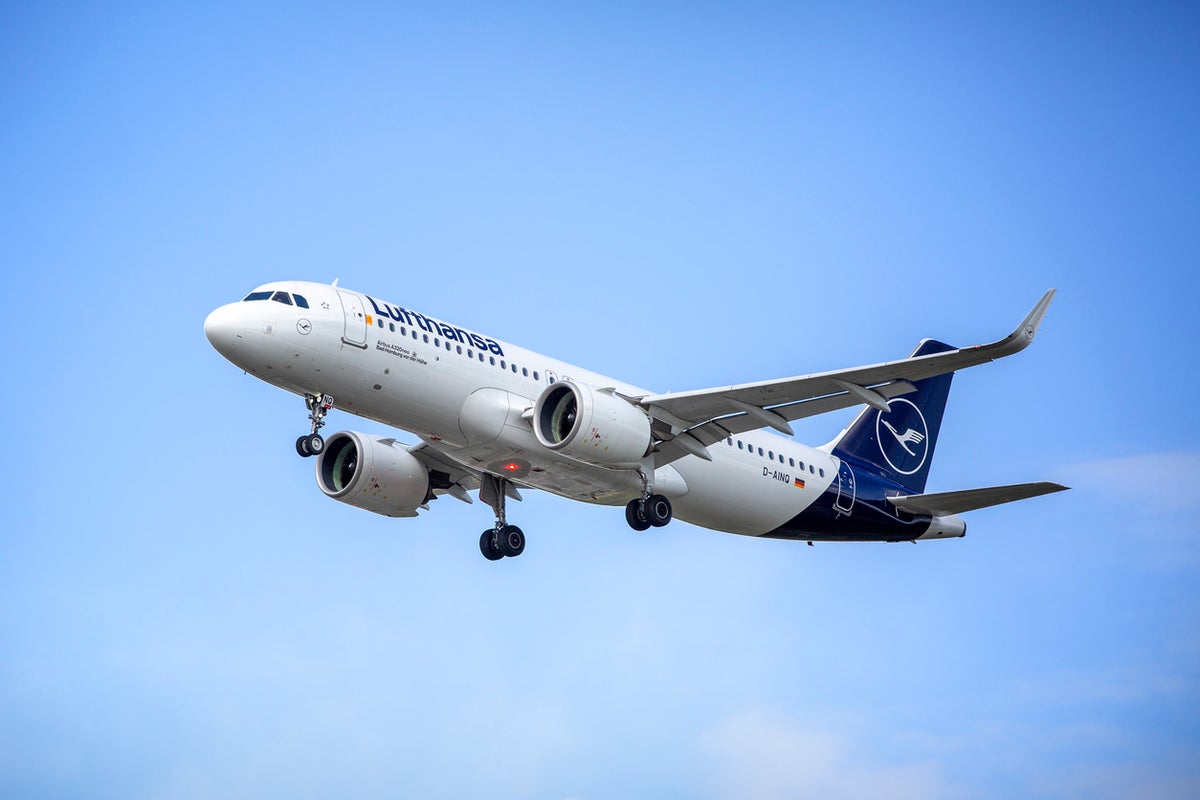
Soaring jet fuel prices, roughly doubled since the outbreak of the Iran war, are forcing airlines worldwide to cut capacity, add surcharges, and withdraw guidance. Spirit Airlines is reportedly near collapse without a $500 million rescue package, while United warned fares may need to rise 15% to 20% and Lufthansa said it will cancel 20,000 flights to save fuel. The pressure is broad-based across carriers in Europe, North America, and Asia, making this a sector-wide negative with potential spillovers into travel demand and airline profitability.
The important signal here is not just higher fuel costs, but a forced shift from volume-maximization to yield preservation. That usually widens dispersion: network carriers with stronger hedging, richer loyalty revenue, and better pricing power can pass through cost inflation faster, while ULCCs and highly levered names get trapped between weaker discretionary demand and rising unit costs. The first-order loser is the weakest balance-sheet carrier; the second-order loser is the consumer who starts trading down from air travel to road/rail or simply shortening trip length, which hurts the whole leisure stack, not just the airlines.
The sequencing matters. Near term, the market will likely reward capacity cuts because they support fare discipline, but that masks a medium-term demand hit if fare increases reach the 15-20% range management teams are floating. Historically, once ancillary fees and base fares both rise, booking elasticity shows up with a lag of 1-2 quarters, especially on short-haul leisure and transatlantic VFR traffic. That makes the current response potentially self-defeating for carriers most reliant on price-sensitive traffic.
The most interesting second-order effect is competitive: airlines that are willing to cut unprofitable seats will effectively hand market share to better-capitalized peers with more flexible fleets and stronger revenue management, not to the industry as a whole. That is why the relative trade is better than a pure sector short: the fragility is concentrated in carriers with weak liquidity, high unhedged fuel exposure, and limited pricing power. If crude retraces or geopolitical supply fears ease, the sharpest rebound should be in the weakest names because the market has already priced in a stress scenario, but only if cash burn stops accelerating.
The consensus may be underestimating how quickly this becomes a credit story rather than an equity story. For the weakest carriers, one or two bad booking months can force covenant pressure, sale-leasebacks, or rescue financing at punitive terms, which can dilute equity even if bankruptcy is avoided. That means the relevant time horizon is weeks for liquidation risk, but months for margin and guidance resets across the rest of the group.
AI-powered research, real-time alerts, and portfolio analytics for institutional investors.
Request DemoOverall Sentiment
strongly negative
Sentiment Score
-0.72
Ticker Sentiment
