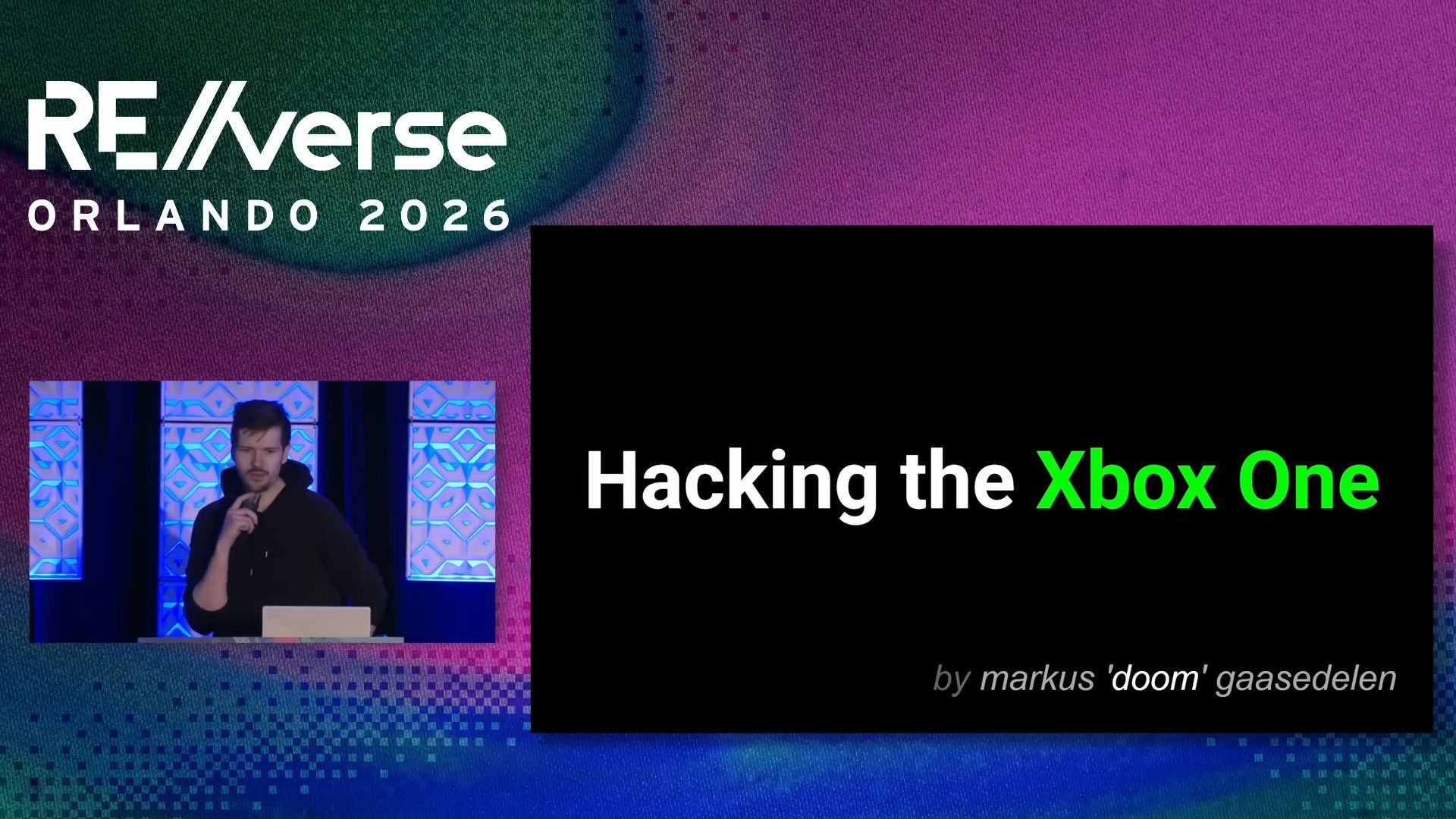
A hardware exploit dubbed 'Bliss' (a double voltage glitch) demonstrated at RE//verse 2026 fully compromises the Xbox One boot ROM in silicon, enabling the loading of unsigned code at every level including the hypervisor and access to the security processor (allowing decryption of firmware and games). The attack is described as unpatchable and could enable digital archivists, emulation advances, and third‑party 'Bliss-like' mod chips to automate the glitch. This is a reputational and security setback for Microsoft but is unlikely to have material financial impact on MSFT or the broader market; implications are confined to IP/piracy, legal risk, and niche hardware/modding ecosystems.
The exploit shifts the attack surface from software patches to immutable silicon, increasing perceived value of cloud-managed execution and hardware-rooted security. Expect enterprise and consumer buyers to accelerate spend on tamper-detection, on-chip secure elements, and supply-chain verification tools over the next 6–18 months — a durable revenue tail for pure-play security vendors and silicon IP providers.
Second-order winners include cloud gaming and backend services: any credible route that reduces local-execution risk (server-side execution, attestation, streaming) becomes strategically more attractive to platform owners and publishers, creating optionality for incremental Azure/Cloud consumption. Conversely, retro-focused sales channels and any business models that monetize offline legacy binaries (paid ROMs, second-hand full-price sales on-device) face erosion risk over multi-year horizons as archival/emulation activity grows.
Regulatory and IP dynamics create asymmetric outcomes: increased piracy or unauthorized decryption could prompt more aggressive litigation, platform takedowns, and tighter DRM, which benefits enterprise security contractors and legal services while imposing compliance costs on platform operators. The market will initially underreact to revenue risks for Microsoft — consumer sentiment cycles quickly — but legal, support, and compliance costs could compress gaming segment margins over 12–36 months if Microsoft responds with heavier enforcement or architectural changes.
Catalysts to watch: announcements of Microsoft moving more gaming workloads to Azure/xCloud (3–12 months), major publishers reporting declines in legacy catalog monetization (quarterly cadence), and rapid aftermarket availability of automated glitch hardware (weeks–months) that materially expands scale of exploitation. A reversal could come from rapid adoption of post-silicon mitigations (external attestation modules) or a commercial licensing path that monetizes archival access, which would blunt downside for platform owners within 12–24 months.
AI-powered research, real-time alerts, and portfolio analytics for institutional investors.
Request DemoOverall Sentiment
mildly negative
Sentiment Score
-0.15
Ticker Sentiment
