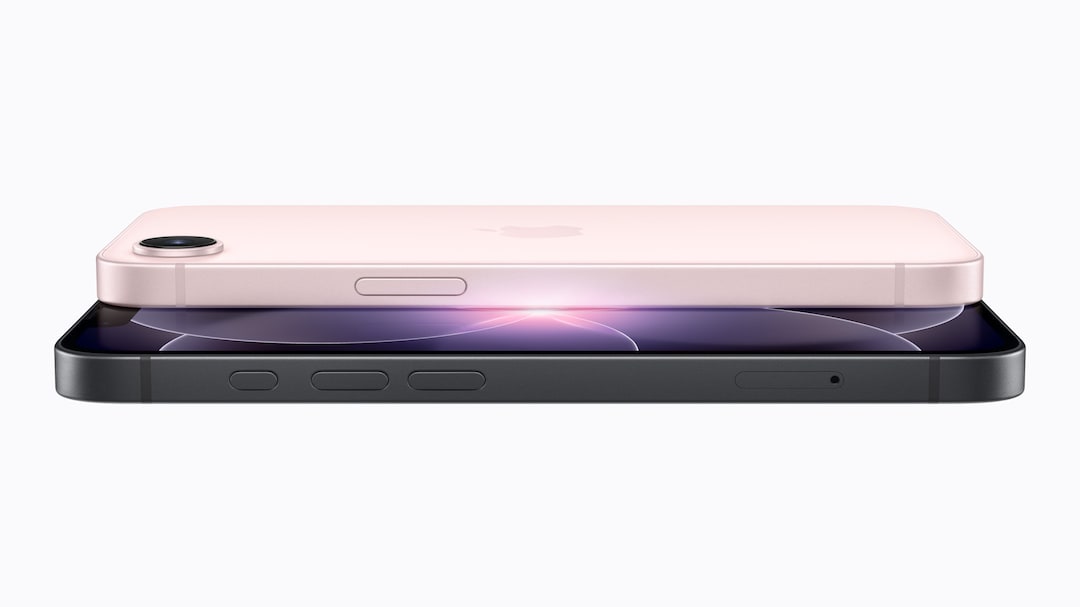
iPhone 18e planning is reportedly finalized with a target launch in spring 2027, while Apple may split its rollout by unveiling premium iPhone 18 Pro/Pro Max and a rumored foldable in fall 2026. Leaks suggest the 18e could use an A20 chip (aligning with the vanilla model) and possibly gain Dynamic Island on an entry-level device; details are unconfirmed and remain speculative.
Apple's apparent decision to standardize a next‑gen A‑series across both premium and budget tiers materially changes the wafer‑demand math: if the A‑20 ends up in two hardware tiers, TSMC sees a multi‑year, high‑utilization uplift concentrated in 2026–2028 that should translate into above‑seasonal fab tool orders and sustained foundry revenue even if ASPs per chip decline by 10–20%. That dynamic benefits capital equipment names (etch/deposition) by extending replacement cycles and gives higher bargaining power to leading fabs; conversely, component vendors whose margins rely on premium ASPs (high‑end camera modules, bespoke displays) face compression unless they can scale cost.
A split launch cadence (premium in one cycle, volume models in a later cycle) shifts Apple’s revenue seasonality and inventory management risks from a single large event to two discreet supply chains, increasing options for carriers/retailers to time promotions but also raising cannibalization and return risks across quarters. Retail and trade‑in partners will likely extract better subsidization terms for the spring device, pressuring gross margin on later units unless Apple tightens component cost or relies on services ARPU to offset.
Key catalysts: TSMC/ASML/LRCX capex commentary in upcoming earnings and equipment bookings (near term, 3–9 months) will confirm wafer demand elasticity; Apple supplier inventory disclosures and carrier order flows in late 2026 will reveal whether the split launch increases sell‑through or merely shifts channel stock. Tail risks include a change in Apple’s system‑on‑chip strategy, unexpectedly high integration costs for features at budget prices, or macro weakness that makes a spring refresh inventory‑heavy—any of which could reverse the supply‑side beneficiaries within 90–180 days.
AI-powered research, real-time alerts, and portfolio analytics for institutional investors.
Request DemoOverall Sentiment
neutral
Sentiment Score
0.05
Ticker Sentiment
