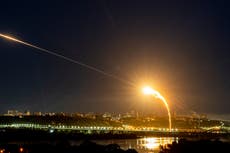
Russia will scale back its 9 May Victory Day parade with no military equipment on display, underscoring equipment shortages as the war with Ukraine grinds on. Ukraine also said it shot down more than 33,000 Russian drones in March, while a drone strike caused a 24-hour fire at a Russian oil refinery in Tuapse, hitting energy infrastructure. The article also highlights fresh sanctions risk around alleged Russian grain shipments and an EU review of stricter conditions on a €90bn Ukraine loan.
The key market signal is not symbolic optics; it is capacity stress. When a belligerent starts stripping prestige events of heavy equipment while simultaneously absorbing sustained drone attrition, it usually means air-defense interceptors, spare parts, and mobile EW assets are being prioritized for the front rather than the rear. That shifts the war toward a cheaper asymmetric phase for Ukraine: each incremental drone sortie can force Russia to spend scarce high-value interceptors, repair crews, and refinery downtime, which compounds into lower domestic fuel availability and weaker export optionality over the next 1-3 months.
The more interesting second-order effect is on the shadow logistics stack. If Russian refined-product flows are disrupted and sanctions enforcement tightens on vessels, the marginal barrel has to travel farther, at higher insurance and discount costs, which supports non-Russian exporters of diesel, fuel oil, and crude-linked logistics services. At the same time, any visible degradation in Russian rear-area defense increases the probability of retaliatory strikes on Ukrainian energy and transport infrastructure, so the trade is not one-way; volatility in regional power, rail, and port assets should rise into the summer campaign.
The market may be underestimating how this reinforces European rearmament and UAV supply chains, not just headline defense primes. A battlefield that increasingly rewards drones, counter-drone systems, mobile robotics, and long-range precision munitions should continue to compress procurement cycles and favor firms with production scale in sensors, batteries, secure comms, and loitering munitions. The contrarian point: if the West relaxes enforcement or Ukraine’s strike tempo hits a temporary ceiling from inventory constraints, the energy-disruption premium could fade quickly, making this more of a 30-90 day tactical theme than a durable macro shock.
AI-powered research, real-time alerts, and portfolio analytics for institutional investors.
Request DemoOverall Sentiment
moderately negative
Sentiment Score
-0.35
Ticker Sentiment
