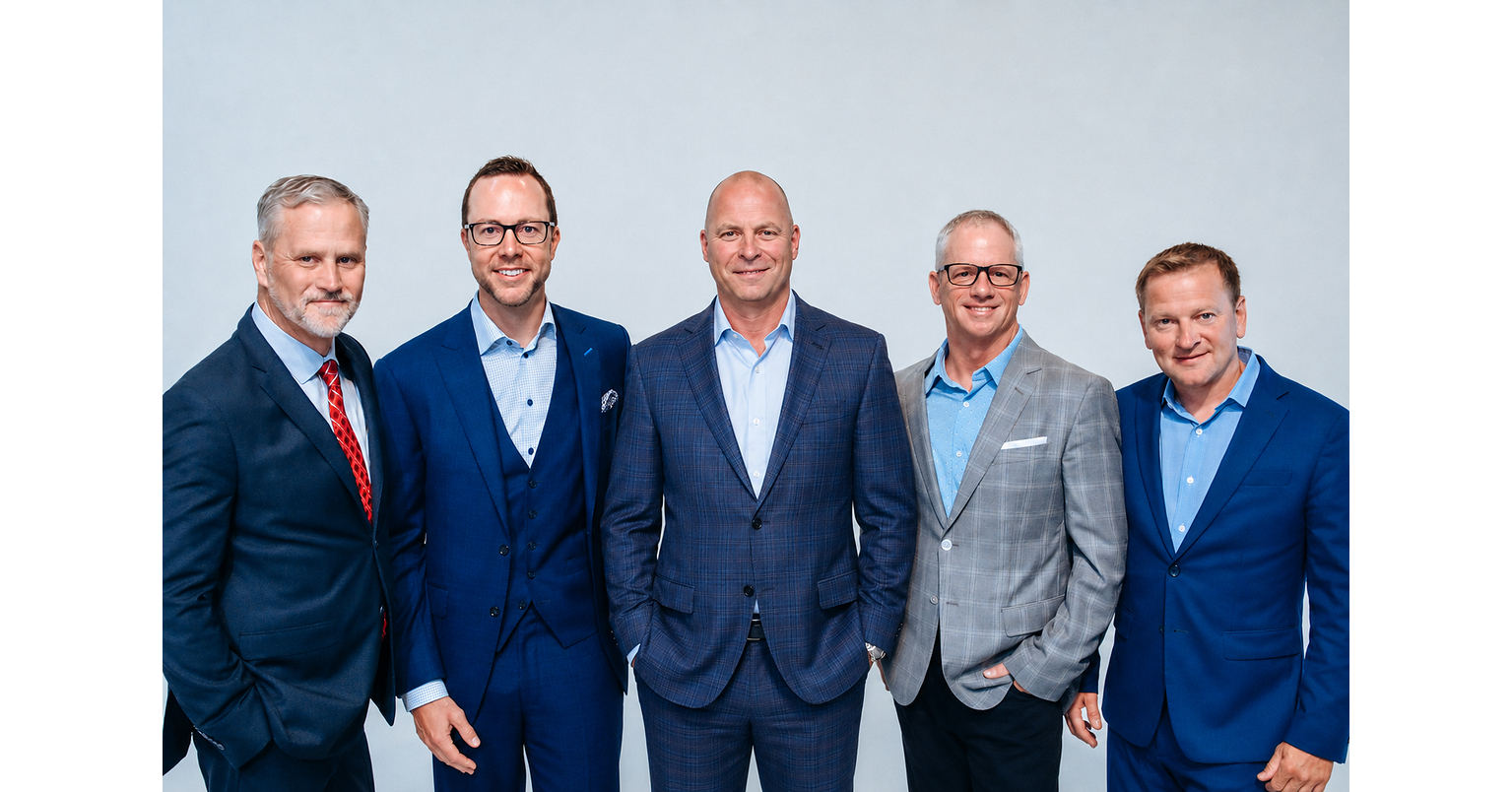
BrandONE marks its 10th anniversary, citing its most active year for new franchise partnerships and adding more new concepts than in any prior 12-month period across service categories. The company emphasizes a more selective franchise recruitment model focused on unit-level economics, repeatable operations, differentiated positioning, and “founder readiness,” with plans to invest in technology/data and franchise-support infrastructure. The announcement is largely company/industry positioning with no specific financial figures, implying limited near-term market impact.
This reads like a tightening of the franchise-filter, not a growth acceleration signal. In an environment where founders need more capital and support before royalties scale, the winners are the platforms that can underwrite, train, and police unit economics; the losers are concept sellers leaning on territory pre-sales to fund operations. That tends to shift bargaining power away from early-stage franchisors and toward better-capitalized systems, while raising the cost of sloppy expansion for everyone else.
The second-order effect is slower but healthier system growth: fewer awards, better openings, and lower post-sale churn. That is constructive for franchisees and for public franchisors with durable brand equity, but it is a headwind for any model that depends on rapid multi-unit sell-through to justify valuation. If the market starts rewarding quality-of-opening over quantity-of-signings, the multiple premium should migrate toward proven operators and away from speculative category creators.
The catalyst path is not days; it is 1-3 quarters of conversion data and 6-18 months of survivorship metrics. The thesis breaks if brand additions do not translate into openings, if franchisee attrition rises, or if weaker concepts continue to sell territories without closing the loop on unit-level profitability. This is also vulnerable to a looser credit backdrop, which would let lower-quality concepts resume expansion and dilute the discipline premium.
Net: mildly positive for the franchise ecosystem, but too low-impact to force a direct trade in FHGDF. The actionable read-through is a relative-quality stance inside consumer franchises and service operators, not a bet on headline partnership volume.
AI-powered research, real-time alerts, and portfolio analytics for institutional investors.
Request DemoOverall Sentiment
mildly positive
Sentiment Score
0.12
Ticker Sentiment
