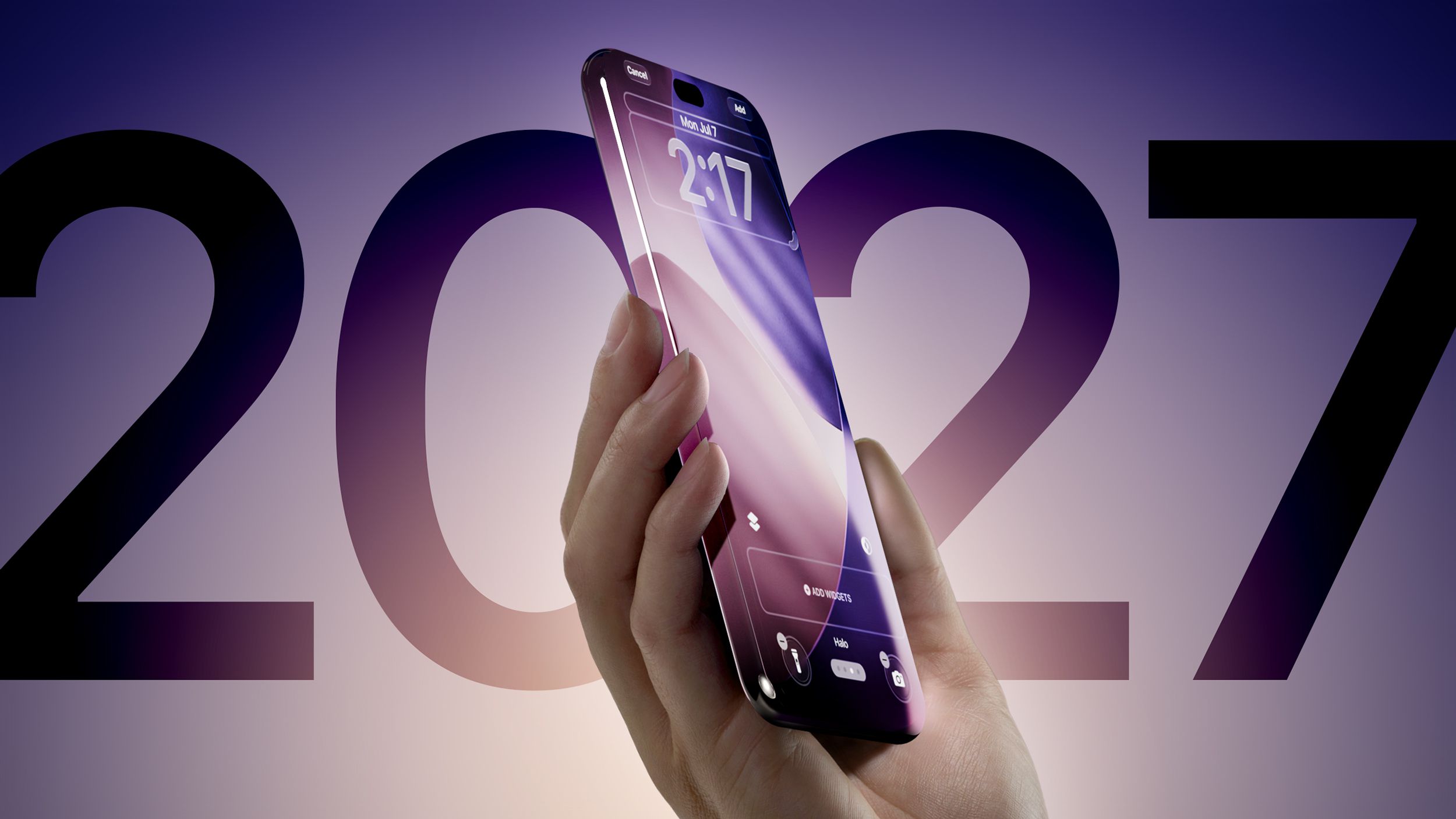
Apple is reportedly testing an iPhone 19 Pro with a quad-curved display, hole-punch camera cutout, and under-panel Face ID, but the front-facing camera remains difficult to hide without degrading quality. The article also suggests Apple may reserve a fully uninterrupted display for a 20th-anniversary iPhone, which would leave the 19 Pro lineup as a less-premium tier. The news is based on a leaker with a solid track record, but it remains speculative and likely has limited near-term market impact.
The market implication is less about a single design rumor and more about Apple signaling another multi-year premiumization ladder. If Apple can stagger under-panel Face ID and camera capability across trims, it creates a clean ASP escalator: base premium, Pro, then a commemorative super-premium tier with materially higher gross margin. The important second-order effect is that Apple can use industrial design scarcity to defend pricing even if unit growth stays muted, which matters more for AAPL valuation than incremental volume.
The harder read is supply chain timing. A truly uninterrupted display requires yields on under-panel camera and Face ID components to improve enough to avoid visible quality tradeoffs; that tends to pull forward wins for display, optics, and sensor suppliers, but only after a long validation cycle. If Apple is still testing a hole-punch fallback for 2027, it suggests the ecosystem may not see a near-term step-change in component demand, so the best beneficiaries are the vendors that can ship both conventional and advanced modules, not the pure-play moonshot names.
For competitors, the risk is that Apple re-sets consumer expectations around flagship differentiation, forcing Android OEMs to spend more on display innovation just to stay relevant. That can compress their margins because they usually lack Apple’s pricing power; in contrast, Apple can pass through complexity as status. The contrarian point: the market may be overestimating how quickly under-display camera quality can reach Apple standards, so the likely outcome is an extended transition with staged feature rollout rather than a clean 2027 leap.
Catalyst-wise, this is a months-to-years story, not a days trade. The near-term tradeable event is any confirmed supplier change or prototype validation, while the main downside risk to the thesis is that Apple abandons the fully hidden camera path and keeps the visual upgrade modest, which would mute the premiumization narrative and reduce upside for the supply chain.
AI-powered research, real-time alerts, and portfolio analytics for institutional investors.
Request DemoOverall Sentiment
neutral
Sentiment Score
0.10
Ticker Sentiment
