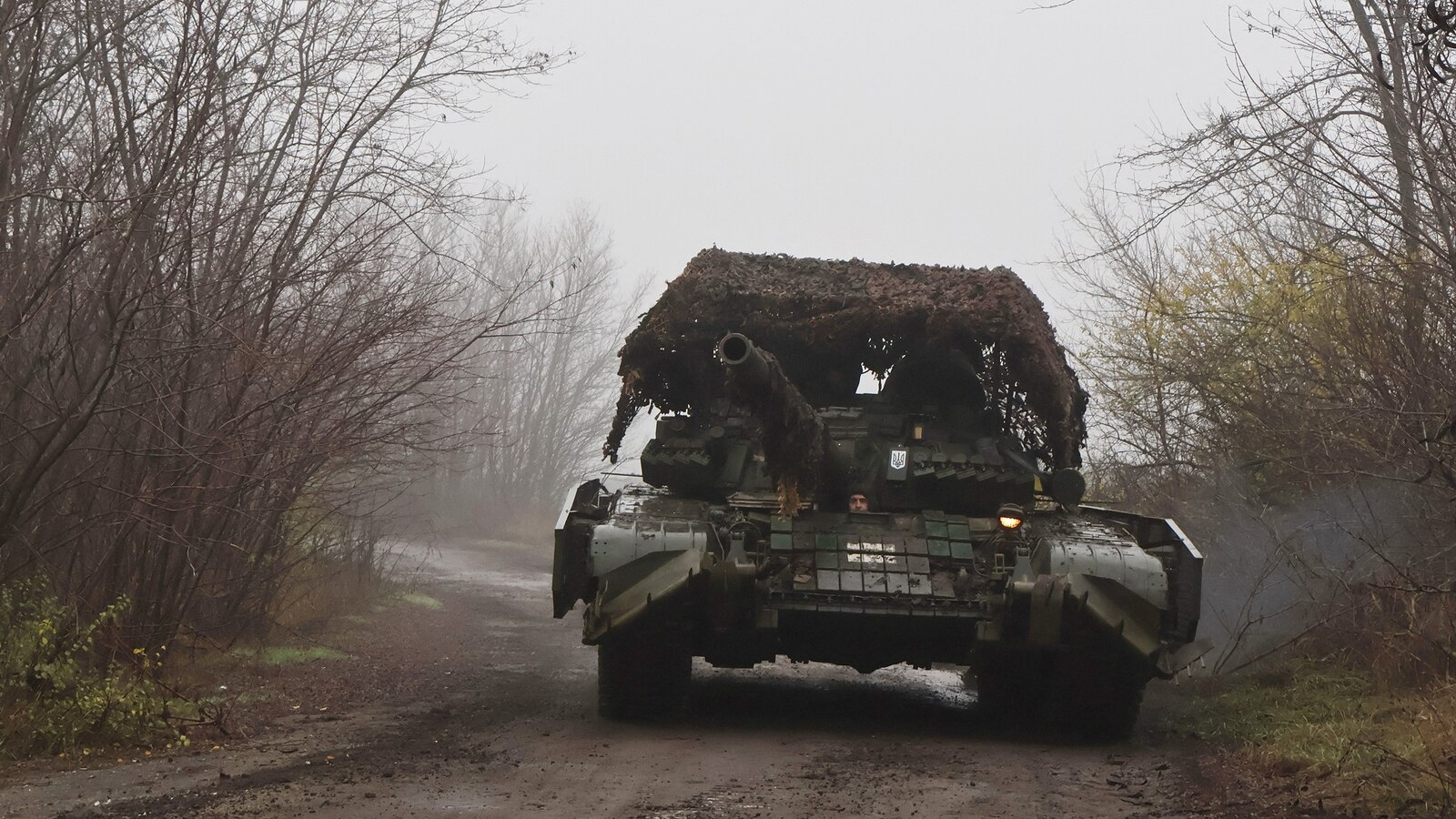
Russian forces made an unexpected breakthrough in farmland east of Zaporizhzhia in September, advancing up to six miles and pressing around Huliaipole, while Ukrainian units including the 225th Separate Assault Regiment are trying to stabilize the front. Independent and Ukrainian tallies cited heavy losses and limited territorial gains over the past year (ISW: ~0.77% of Ukraine, ~1,802 sq. miles), Ukrainian estimates of Russian casualties near 1.2 million since 2022 and claims of 710,000 Russian troops massed along the front, and ongoing U.S.-brokered talks that Moscow seeks to leverage politically. The developments imply continued elevated geopolitical risk, sustained demand for defense-related spending and persistent downside pressure on regional stability and energy/commodity risk premia.
Market structure: The immediate winners are defense primes (aerospace, munitions, UAV manufacturers), commodity exporters (oil, wheat) and logistics providers able to reroute Black Sea flows; losers include airlines, travel & European banks with Russia exposure and regional insurers. Pricing power shifts toward suppliers of shells, precision munitions and electronic warfare systems where lead times and backlogs can sustain 10–30% price rises over 6–12 months. Supply/demand: sustained attritional fighting creates persistent demand for ammunition and drones, tightening inventories and lengthening delivery lead-times by 3–9 months.
Risk assessment: Tail risks include NATO entanglement, large-scale sanctions on energy flows, or a tactical nuclear/strategic cyber escalation — each low probability but capable of >20% shock to markets. Time horizons: immediate (days) sees risk-off FX/Treasury rallies; weeks–months see order announcements and earnings beats for defense names; long-term (1–3 years) conditional reconstruction demand drives materials and engineering. Hidden dependencies: US political shifts (administration bargaining posture) and winter weather can rapidly swing supply lines; watch shuttle-diplomacy calendar (next 30–60 days).
Trade implications: Tactical long defense primes (RTX, LMT, GD) and agricultural commodities (WEAT) with 6–12 month horizons; modest oil/Brent exposure if price breaks >$85/bbl should be increased. Use relative/value trades: long defense vs short airlines/travel (JETS, AAL) to exploit differential sensitivity to conflict. Options: favor 3–6 month call spreads on defense names and 1–3 month puts on airline ETFs as low-cost asymmetric hedges.
AI-powered research, real-time alerts, and portfolio analytics for institutional investors.
Request DemoOverall Sentiment
strongly negative
Sentiment Score
-0.65
Contrarian angles: The market is pricing perpetual conflict; a credible ceasefire in 30–60 days would compress defense multiples by 10–25% — a material downside risk. Historical parallels (post-Korea pauses, post-2014 Crimea) show defense spending often re-rises after temporary pauses, so shorting defense on short-term peace headlines is risky beyond a 60–90 day window. Unintended consequences: reconstruction demand could favor miners, cement and heavy engineers more than prime defense contractors over years.
