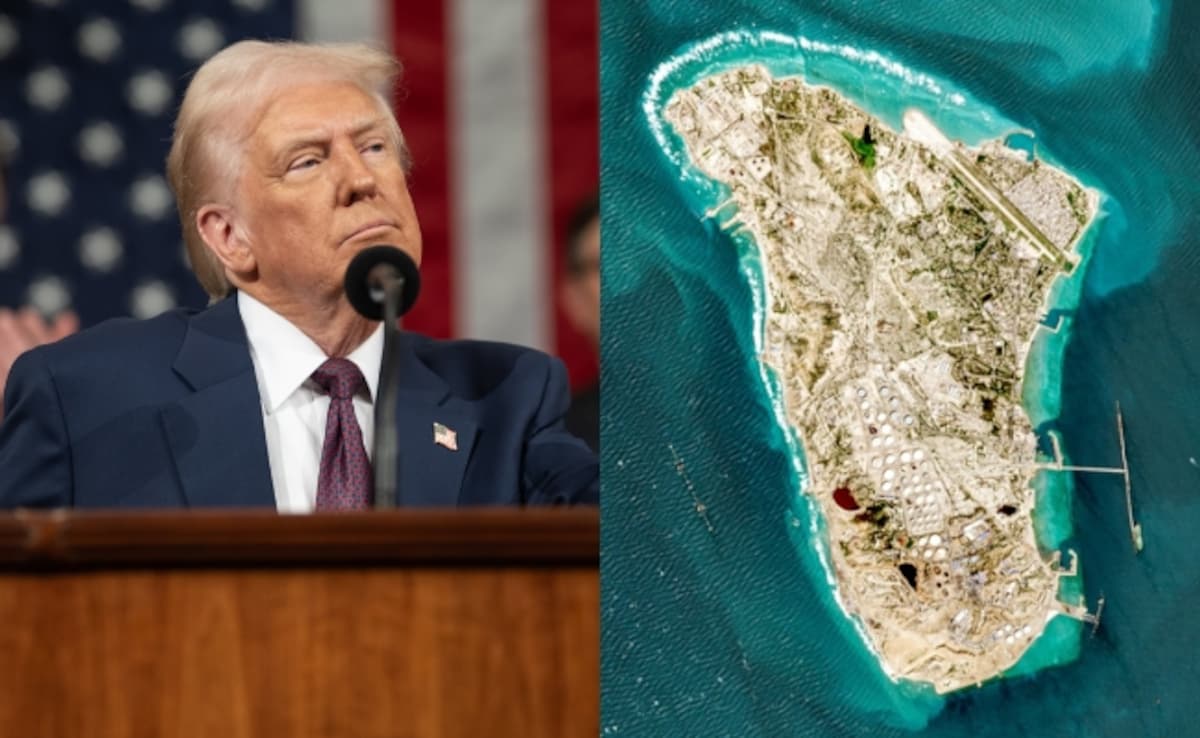
US strikes on Iran's Kharg Island reportedly hit more than 90 military sites and President Trump threatened further strikes, while Iran has vowed stepped-up responses; the conflict has killed over 2,000 people. Energy disruptions are material: Fujairah operations suspended after a drone attack and the UAE's Murban crude flow (~1.0 million bpd, ~1% of global demand) faces interruption, pushing energy prices higher and threatening shipments through the Strait of Hormuz. Portfolio implication: elevated oil-price and shipping-risk exposure, warranting defensive positioning in energy-importing assets and monitoring for rapid risk-off moves across markets.
Global maritime chokepoint stress is transmitting immediately into three tradable cost lines: freight, insurance (war-risk premiums), and time-to-receipt for crude flows. Rerouting or longer on-station times typically add 7–14 days to voyage times for GCC-to-Asia cargoes, implying incremental freight and financing costs on the order of ~$0.5–$1.5/bbl for a typical VLCC run — enough to move cash crude/contango dynamics and incentivize storage trades. That magnitude compresses refinery clean/dirty crack spreads unevenly depending on feedstock access and inland pipeline connectivity.
The next-order winners are owners of physical optionality: VLCC/time-charter owners, shore storage operators, and commodity trading houses that can lengthen hedges or take basis positions in Murban-like grades. Conversely, just-in-time supply chains — refined product exporters, certain trading-dependent refiners in Europe/Asia, and ports with concentrated Gulf exposure — face widened working capital needs and margin pressure as war-risk surcharges propagate through contracts. Marine insurers and specialty re/insurers see both a pricing uplift and claims tail; front-loaded premium income can offset losses but increases volatility in underwriting results.
Key catalysts and time horizons: market spikes can occur within days on a discrete maritime incident, while supply-side rebalancing (SPR releases, alternative supplier fills) plays out over 1–3 months; structural reallocation of trade lanes and CAPEX for alternative export infrastructure is a multi-year story. Tail risks remain non-linear — a prolonged effective closure of key terminals would justify a $10–$25/bbl structural shock in crude prices for 3–12 months, whereas rapid diplomatic de-escalation could erase most premia within weeks. Monitor tanker spot rates, war-risk premium levels, and storage contango as leading indicators for persistence.
Contrarian read: much of the near-term price premium reflects logistical friction, not permanent loss of barrels — physical players with storage and lift capability can arbitrage contango and soak up volatility, which caps upside for pure upstream equities without balance-sheet optionality. In short, owners of mobility and storage beat static reserves if the market remains episodic; avoid long-duration exposure to names that require sustained $100+/bbl to justify capital plans.
AI-powered research, real-time alerts, and portfolio analytics for institutional investors.
Request DemoOverall Sentiment
strongly negative
Sentiment Score
-0.78
