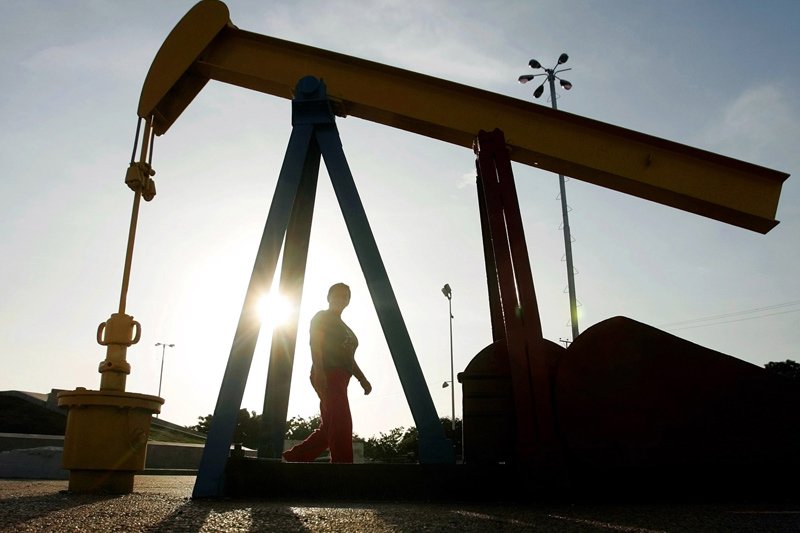
Nearly 600,000 barrels per day of Saudi production capacity has been reduced following attacks on energy facilities, pipelines and refineries, and a separate strike on an alternate Red Sea pipeline pumping station cut throughput by about 700,000 bpd. The loss equates to under one‑tenth of normal Saudi crude exports; Saudi Aramco has been relying on an alternate pipeline to the Red Sea amid prior Strait of Hormuz disruptions. One civilian was killed in the attacks. These supply disruptions heighten oil-market volatility and are sector‑negative, prompting risk‑off positioning.
Recent disruptions to regional energy infrastructure have shifted market stress from a pure production shortage to a mix of transit fragility, insurance repricing and margin bifurcation across the downstream chain. The most immediate market response is not just higher headline oil prices but steeper freight curves and wider inland/port differentials as cargoes are rerouted; those mechanics typically tighten refined-product availability in importing regions within days while leaving global crude stocks functionally more mobile over weeks.
Second-order winners are firms exposed to physical security, surveillance and rapid maintenance — contractors who can restore throughput and insurers that can reprice risk — plus fast-response US onshore producers who can ramp within months. Conversely, actors with long export exposure or thin refinery-configurations (single-route exports or ESL-constrained refineries) experience outsized margin and logistics risk; chemical and aviation sectors are exposed to immediate fuel-cost pass-through and hedging dislocations.
Key catalysts to watch are diplomatic escalation vs. de-escalation, rapid repairs bringing routes back online, SPR or commercial stock releases, and any OPEC+ policy response; these can unwind price and freight premia in a matter of weeks to a few months. The highest tail risk is contagion to chokepoints that force prolonged rerouting — that is the scenario where insurance repricing, capex into alternate pipelines, and structural changes to trade flows become multi-year themes rather than transient shocks.
AI-powered research, real-time alerts, and portfolio analytics for institutional investors.
Overall Sentiment
mildly negative
Sentiment Score
-0.30
