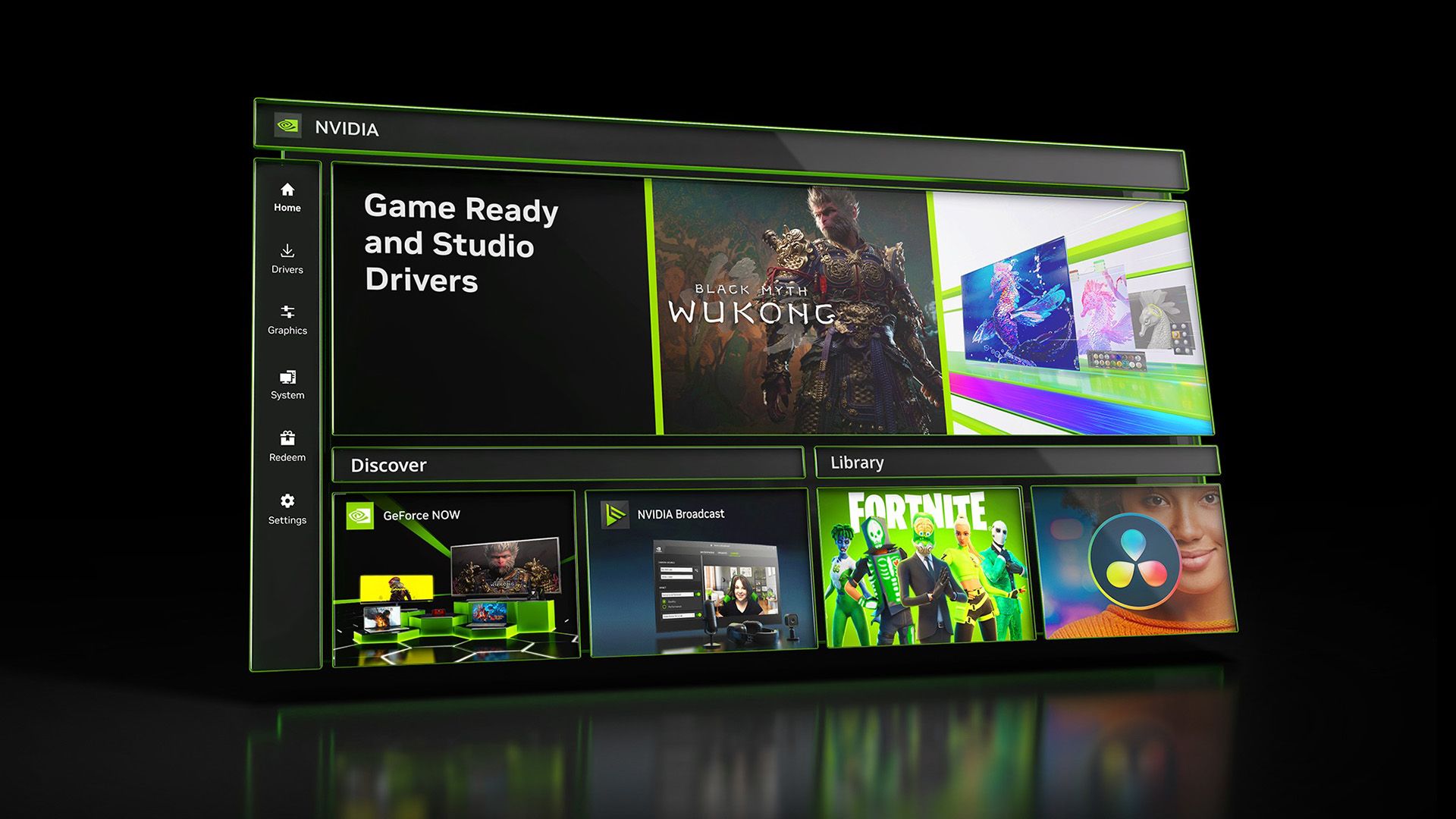
Nvidia is retiring the Nvidia Control Panel from feature development and will stop bundling it with future Game Ready and Studio drivers for GeForce GPUs, moving users to the Nvidia App instead. The old control panel remains available via the Microsoft Store and in maintenance mode, with RTX Pro GPUs temporarily exempt until professional features are migrated. The change is largely an expected product consolidation with limited near-term market impact.
This is less about a product rename than about Nvidia tightening its software moat and reducing friction around driver attach. The key second-order effect is support-cost compression: collapsing two end-user surfaces into one should reduce duplicated QA, bug triage, and download fragmentation, which matters because Nvidia’s installed base is now large enough that small UX failures can create outsized support noise. That is incrementally positive for NVDA because software reliability is becoming part of the hardware purchasing decision, especially in enterprise and prosumer channels where admins value predictable driver behavior over feature novelty.
The relative loser is AMD, but not because this move changes benchmark economics; it raises the bar for software polish at the exact moment Nvidia can frame itself as the default “it just works” stack. AMD’s control-panel history has been a recurring source of sentiment discount, so any visible Nvidia execution here widens the gap in perceived platform maturity. More importantly, Nvidia’s ability to keep legacy functionality available during the transition lowers adoption resistance and should accelerate the conversion of older users to the new app over the next 1-2 quarters.
The contrarian risk is that this becomes a support liability if the new app regresses on niche workflows or corporate policy controls. If that happens, the old panel’s continued availability becomes a pressure valve rather than a true migration path, and the issue could linger for months in gaming forums and IT admin channels. The market is probably underestimating how much of Nvidia’s ecosystem strength now depends on boring software continuity rather than flashy AI narratives; if execution is clean, this is a small but durable positive for NVDA’s retention curve.
From a trading standpoint, this is not a standalone catalyst for a large move, but it is a supportive signal that reduces long-tail product friction. The best expression is a modest relative-value long NVDA/short AMD into any post-news consolidation, with the thesis that software polish and ecosystem trust will continue to compound in Nvidia’s favor over the next 3-6 months. Near term, any headline-driven dip in NVDA tied to “no major feature” should be bought rather than faded, because the value here is retention and attach rate, not incremental feature monetization.
AI-powered research, real-time alerts, and portfolio analytics for institutional investors.
Request DemoOverall Sentiment
neutral
Sentiment Score
0.10
Ticker Sentiment
