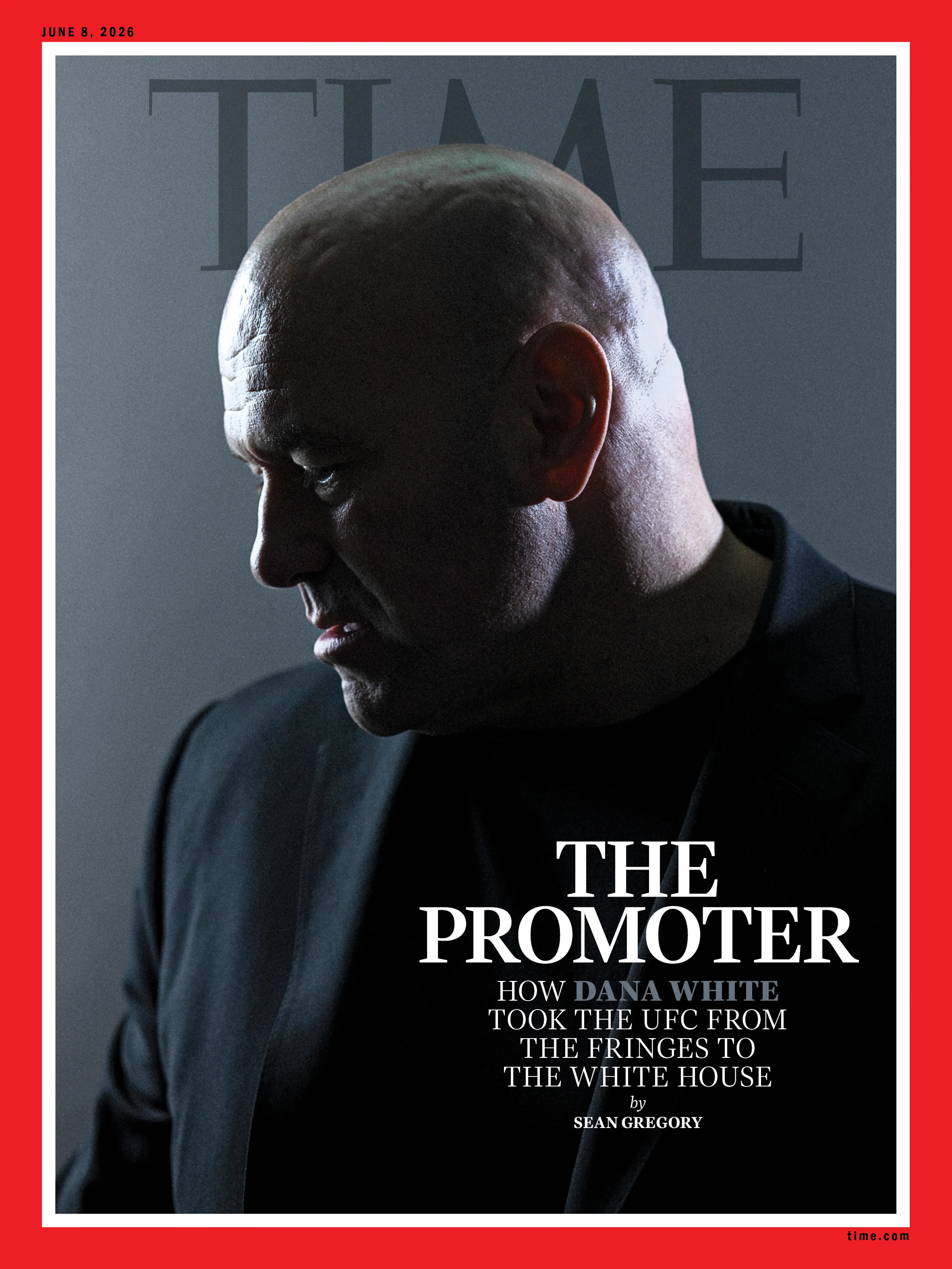
UFC is positioning a June 14 White House event, dubbed UFC Freedom 250, as a major promotional showcase tied to Trump’s 80th birthday and America’s 250th anniversary. The article highlights UFC’s scale, including a $7.7 billion seven-year media-rights deal with Paramount, $401 million in Q1 2026 revenues, and TKO shares up more than 85% over the past 30-plus months. While the event carries political and logistical risk, it underscores Dana White’s influence and the UFC’s continued growth.
TKO is increasingly a monetization story, not just a fight-promotion story. The White House event is a free advertising asset that should widen the gap between UFC and every other live-combat platform on reach, but the more important second-order effect is bargaining power: if Paramount materially overpays for distribution and the league can turn politics into appointment viewing, TKO can keep resetting the value of its rights package above consensus even if the card quality is uneven. The market may still be underestimating how much this becomes a “must-have live event” brand versus a sports rights asset.
The key near-term risk is not demand; it’s execution and reputational spillover. Outdoor weather, security, and optics all create binary headline risk over the next 6-10 weeks, and any disruption would likely hit the stock through sentiment rather than fundamentals. That said, a successful event would probably have a longer half-life than the direct revenue loss suggests because it reinforces UFC’s scarcity value and makes future media negotiations, sponsor sales, and international licensing easier to price.
META is a subtler beneficiary through the cultural plumbing, not the headline itself. White’s elevation on the board plus the platform’s alignment with “free speech” and masculinity themes strengthens its ability to retain high-engagement political/creator traffic without obvious brand dilution, which matters more if regulators stay in the background while ad demand remains intact. The contrarian miss is that this is less about ideology than distribution: the real asset is access to the male attention graph, and UFC is one of the few tentpoles that can still reliably move it.
Consensus is likely overpricing the event as a one-off stunt and underpricing it as a repeatable template for live-event franchising. If the White House show works, TKO gets optionality on premium outdoor spectacles, venue experimentation, and cross-promotion that can be replicated at materially lower cost than traditional sports marketing. If it fails, the downside should be contained because the company is already talking in terms of brand equity rather than direct P&L, which means the setup is asymmetric into the event window.
AI-powered research, real-time alerts, and portfolio analytics for institutional investors.
Request DemoOverall Sentiment
mildly positive
Sentiment Score
0.25
Ticker Sentiment
