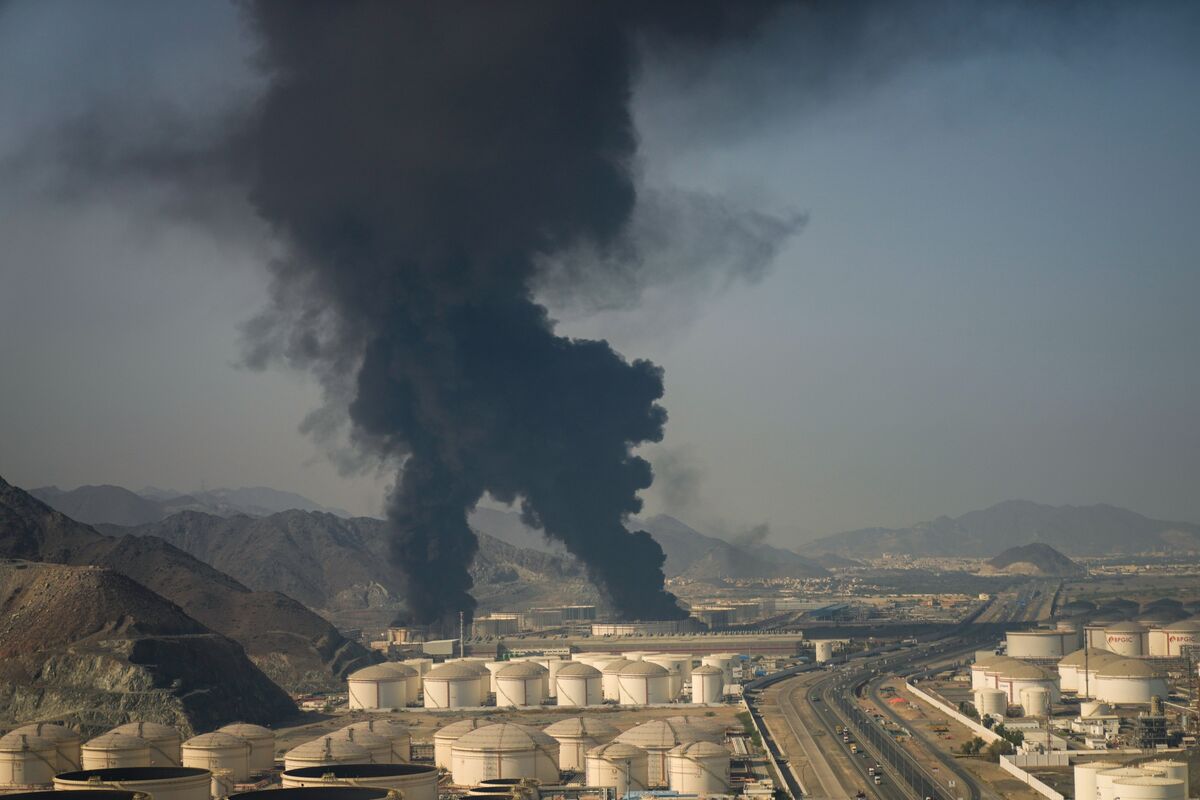
A large UAE gas field was set ablaze by a drone strike and a key oil port was halted, part of a wave of attacks that have also shut major refineries and a large LNG export plant across the Middle East. The incidents materially raise the risk of tighter oil and LNG supply, upward pressure on global energy prices, and disruptions to regional shipping and export flows; monitor Brent, spot LNG, and export terminal operations for near-term volatility.
Energy producers with integrated downstream and diversified global sales will capture the largest near-term cashflow upside because they can reroute barrels and widen refining spreads; model a sustained regional outage of 0.5–1.5 mbpd for 2–8 weeks and assume a $5–15/bbl Brent shock that translates into mid-teens EPS delta for large majors over the next 3 months. Midstream and service names face a mixed outcome: pipeline operators get optionality on reroutes (positive), while owners of coastal terminals and LNG trains face idiosyncratic stop-start downtime that pushes maintenance capex and insurance claims into 1–4 quarters. Shipping, freight insurance and specialty contractors are second-order beneficiaries — expect marine hull and war-risk premia to reprice higher, raising shipping costs by an incremental 10–30% on affected routes over the next quarter and compressing margins for trade-dependent sectors (agribusiness, chemicals).
Tail risk clusters skew to geopolitically driven escalation or rapid de-escalation via diplomatic channels; an escalation that disrupts tanker traffic through chokepoints could double realized volatility in crude for 1–3 months and push commodity-driven equities into forced rerating, while a coordinated SPR release or successful diplomatic de-escalation can unwind most of the premium in 2–6 weeks. Operational recovery timelines are the critical catalyst: quick spare-parts and skilled-labor access shortens outages to weeks, whereas damage to export infrastructure or insurance-driven work stoppages extend disruption into quarters. Monitor three early signal bars: (1) tanker insurance premium jumps and vessel diversions, (2) announced multi-week refinery/LNG outages from operators, and (3) coordinated government SPR or export-policy interventions; any one can flip the market direction within days.
Consensus positioning is still long energy but underestimates the cross-asset pass-through to freight and agricultural inputs; fertiliser and bulk-commodity names will feel higher nat-gas and shipping costs with a 1–3 quarter lag, creating asymmetric opportunities to short exposed producers while owning diversified energy operators and select defense/insurers. Volatility is high and idiosyncratic — prefer defined-risk structures to naked exposures and size for drawdown scenarios where oil rallies $15+ and/or broader risk-off compresses multiples by 20–30% in cyclicals.
AI-powered research, real-time alerts, and portfolio analytics for institutional investors.
Request DemoOverall Sentiment
strongly negative
Sentiment Score
-0.75
