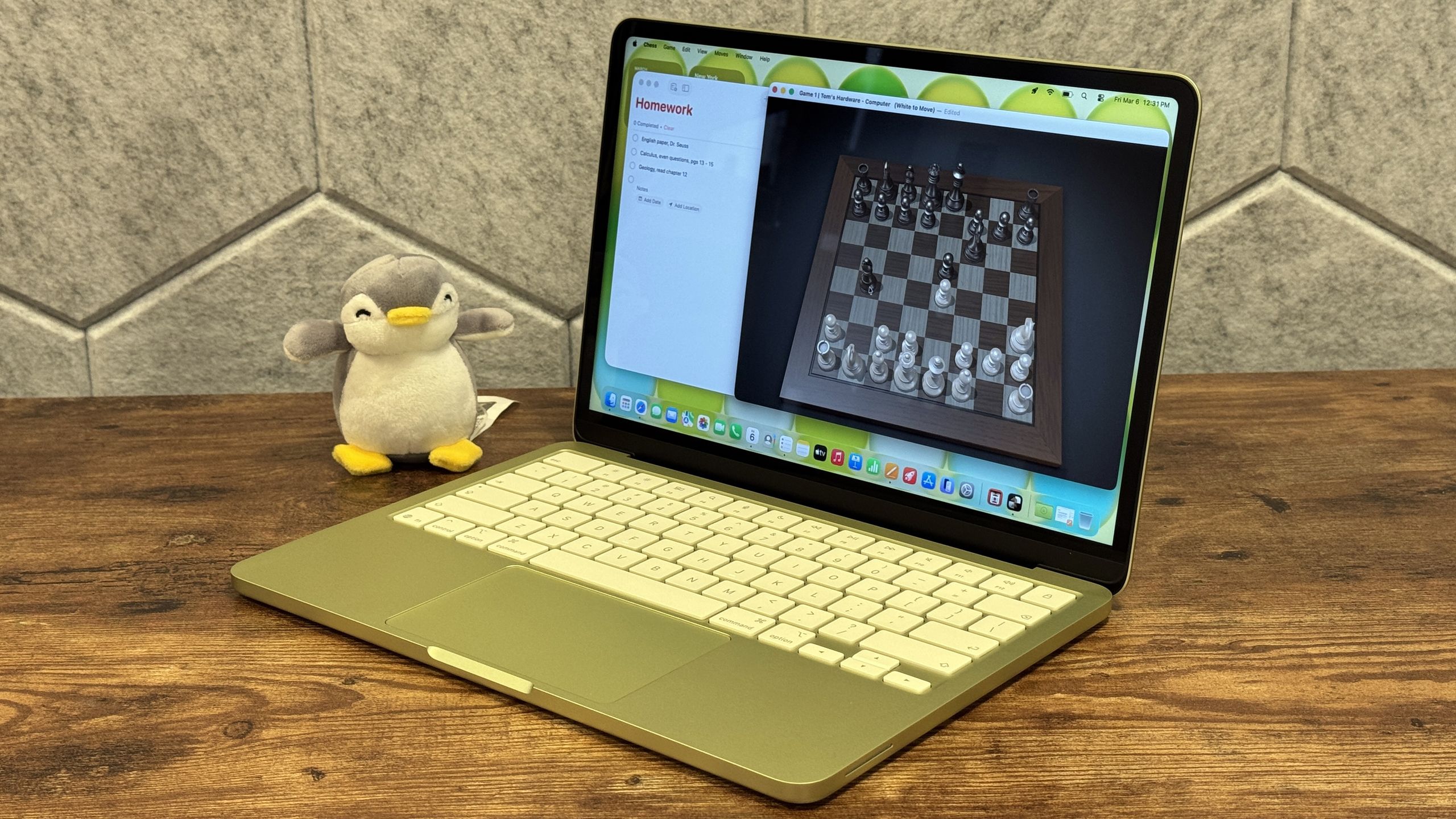
Apple's MacBook Neo posted the company's best launch week ever for first-time Mac customers per CEO Tim Cook; the entry-level model is effectively out of stock and the website shows ~2–3 week shipping times. Launched Mar 4 with deliveries from Mar 11, the Neo targets the sub-$600 entry segment (education pricing knocks $100 off to < $500), driving demand from Windows switchers and new users. The strong uptake poses a competitive threat to sub-$600 Windows OEMs, while ongoing RAM/SSD shortages could hinder rivals' ability to respond quickly and help Apple secure share among students and casual users.
This product lowers Apple's marginal cost-to-acquire a long-term ecosystem user: sub-$600 price points disproportionately pull university/first-time buyers into a device that is sticky because of iCloud, iMessage, and hardware refresh cycles. Expect the lifetime-revenue-per-new-user gap versus the average Windows-first consumer to materialize within 24–36 months as services, accessories and future device upgrades compound — small initial hardware margin sacrifice can pay back severalx in recurring revenue and higher gross margins on services.
On the supply side, constrained commodity RAM/SSD markets create a two-speed outcome over the next 2–4 quarters: OEMs without preferred allocation or scale will face 5–10% higher BOMs or slimmer margins trying to match Apple’s price/quality point, while Apple’s procurement leverage and design control lets it either absorb input inflation or extract supplier commitments that crowd out PC peers. That crowding is the vector that turns a product hit into durable share gains — not raw performance, but consistent availability in education channels and tight channel inventory management.
Microsoft is a second-order loser in consumer OS volume, not because it suddenly loses enterprise cash flows but because shrinking consumer endpoints reduce marginal incentive for independent devs and some SaaS vendors to prioritize Windows-first feature sets over macOS/iPadOS. This erosion is multi-year and non-linear: each percent of retail share ceded accelerates developer mindshare shifts and raises the hurdle for Windows-centric competitive responses.
Key near-term reversals: normalized memory/SSD supply, a faster-than-expected Apple price reversion, or evidence of post-purchase churn (returns, repairs, app incompatibility) would materially slow share migration. Watch unit availability, Apple education redemption rates, and PC OEM guidance for 2–3 quarter lags — these are the fastest indicators that the funnel is or isn’t converting into durable market-share movement.
AI-powered research, real-time alerts, and portfolio analytics for institutional investors.
Request DemoOverall Sentiment
moderately positive
Sentiment Score
0.65
Ticker Sentiment
