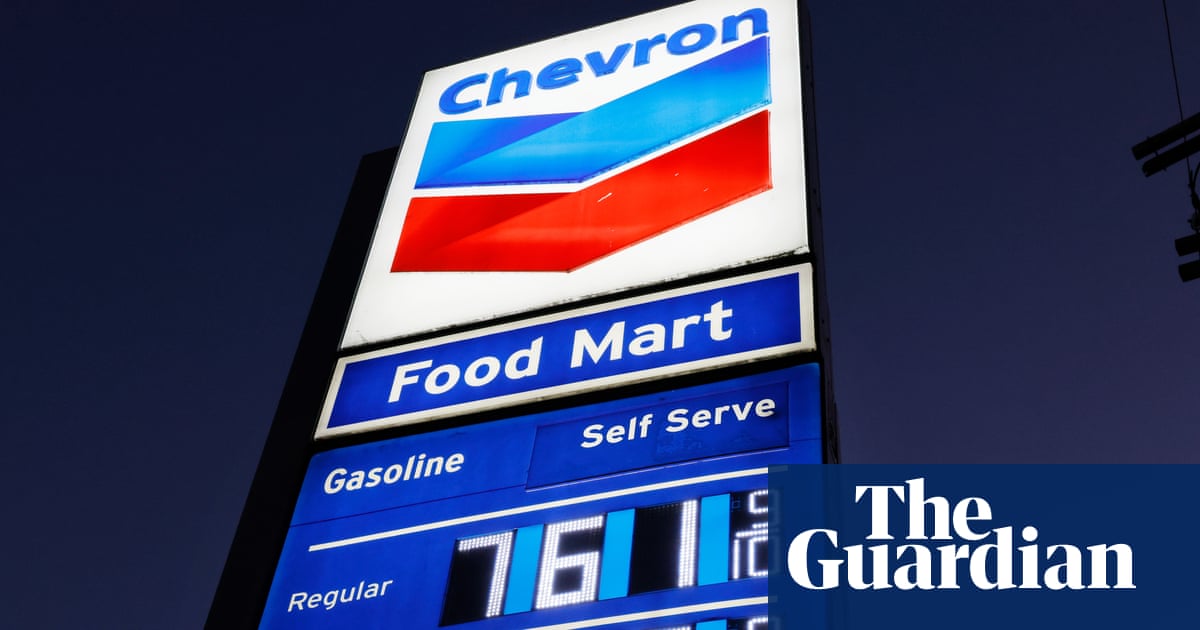
One Chevron station on 901 N Alameda Street was charging $8.31/gal for regular gas (Los Angeles average ~ $5.37/gal); AAA attributes broader price spikes to recent US/Israel actions against Iran. California drivers face ~ $0.90/gal in combined taxes, retailers earn only pennies per gallon while in-store items (drinks/snacks) can have >40% margins. Local owner is Hawk II Environmental Group; county consumer affairs and AAA say high local prices are legal absent a declared emergency and can reflect rent, traffic and fuel sourcing, plus higher-cost summer fuel blends.
Localized, large spreads between neighboring retail pump prices are best read as microeconomic price discrimination, not a signal about upstream oil fundamentals. Station owners with captive foot traffic or unique location characteristics will extract convenience premia at the pump while shifting real margin capture to in-store items with 30-50%+ gross margins — a consolidation of rent, limited price sensitivity and impulse purchase economics that amplifies beverage and snack suppliers’ exposure to convenience-channel pricing power.
For corporates, the second-order winners are branded beverage and packaged-goods suppliers that trade through convenience and forecourt channels; these firms see mix-shifts toward higher-margin packaged units when consumers trade down on total fuel volume but pay for smaller convenience purchases. Integrated oil majors are insulated at scale from idiosyncratic dealer pricing but face two persistent risks: reputational spillovers from high-profile local pricing incidents and state-level regulatory/legislative responses that could narrow retail freedom to reprice during politically sensitive periods.
Catalysts to watch are social amplification cycles (days–weeks) that can force franchise-level brand reactions, seasonal fuel-spec switches and tax/calendar cliff dates (weeks–months) that compress or widen retail spreads, and any declared emergency or legislative push that would materially change price-gouging enforcement (months). Tail risks include rapid geopolitical escalation that lifts crude (benefiting upstream), or rapid regulatory intervention in major states that reduces dealer pricing flexibility and compresses downstream returns over quarters.
AI-powered research, real-time alerts, and portfolio analytics for institutional investors.
Request DemoOverall Sentiment
neutral
Sentiment Score
0.00
Ticker Sentiment
