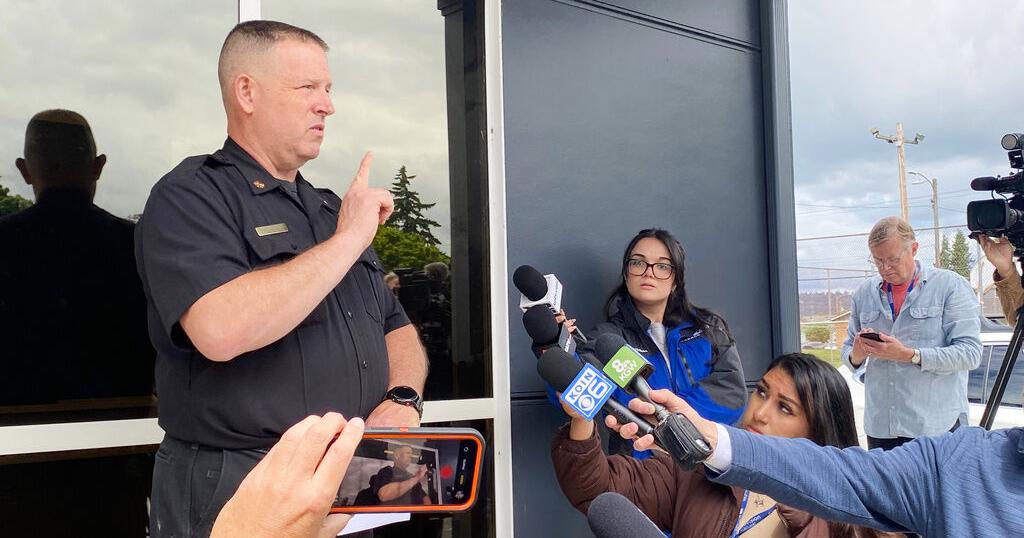
A chemical tank containing about 900,000 gallons of white liquor imploded at Nippon Dynawave Packaging's Washington paper mill, killing at least one worker, leaving nine missing, and injuring nine others. The incident created a mass-casualty hazmat scene, forced evacuations within the site, and prompted state environmental review after the spill entered a drainage ditch. The company also has recent safety citations and open OSHA complaints, increasing regulatory and liability risk.
This is not just a tragic safety event; it is a localized operational shock that can ripple through a tight industrial cluster. The immediate equity read-through is more about disruption risk than direct financial exposure: paper and packaging peers with similar chemical handling footprints face a temporary multiple discount if insurers, regulators, or customers treat this as a proxy for sector-wide process risk. The deeper issue is that a single high-energy failure in a core upstream process can interrupt not just production, but also customer confidence in supply continuity for packaging inputs.
The second-order winners are likely service and compliance vendors, not the mill operator. Expect a faster budget cycle for industrial safety retrofits, tank integrity monitoring, corrosion management, hazmat response, and worker protection equipment across pulp, paper, chemicals, and heavy manufacturing. If regulators widen the lens, the event could pull forward capex at other mills over the next 2-6 quarters, which is mildly supportive for industrial automation, sensors, and environmental remediation names while compressing margins at operators with deferred maintenance backlogs.
The market may underprice litigation and insurance tail risk because the headline is a one-off catastrophe, but the balance-sheet impact often arrives later through claims, downtime, higher premiums, and mandated remediation. The key catalyst window is the next 1-4 weeks for operational clarity, then 3-12 months for legal claims, OSHA/EPA actions, and any facility-wide remediation or shutdown requirements. If investigators identify maintenance or process-control failures rather than an isolated mechanical defect, the probability of follow-on scrutiny across the peer set rises materially.
Contrarian angle: the selloff should not automatically be chased into broad paper or packaging exposure. Commodity packaging demand remains supported by e-commerce and substitution away from plastics, so the better trade is to fade any overreaction in diversified operators while shorting names with concentrated mill exposure, weak insurance protection, or elevated regulatory overhang. The event is bad for this facility, but it may be a modest medium-term positive for the broader industrial safety ecosystem.
AI-powered research, real-time alerts, and portfolio analytics for institutional investors.
Request DemoOverall Sentiment
extremely negative
Sentiment Score
-0.86
