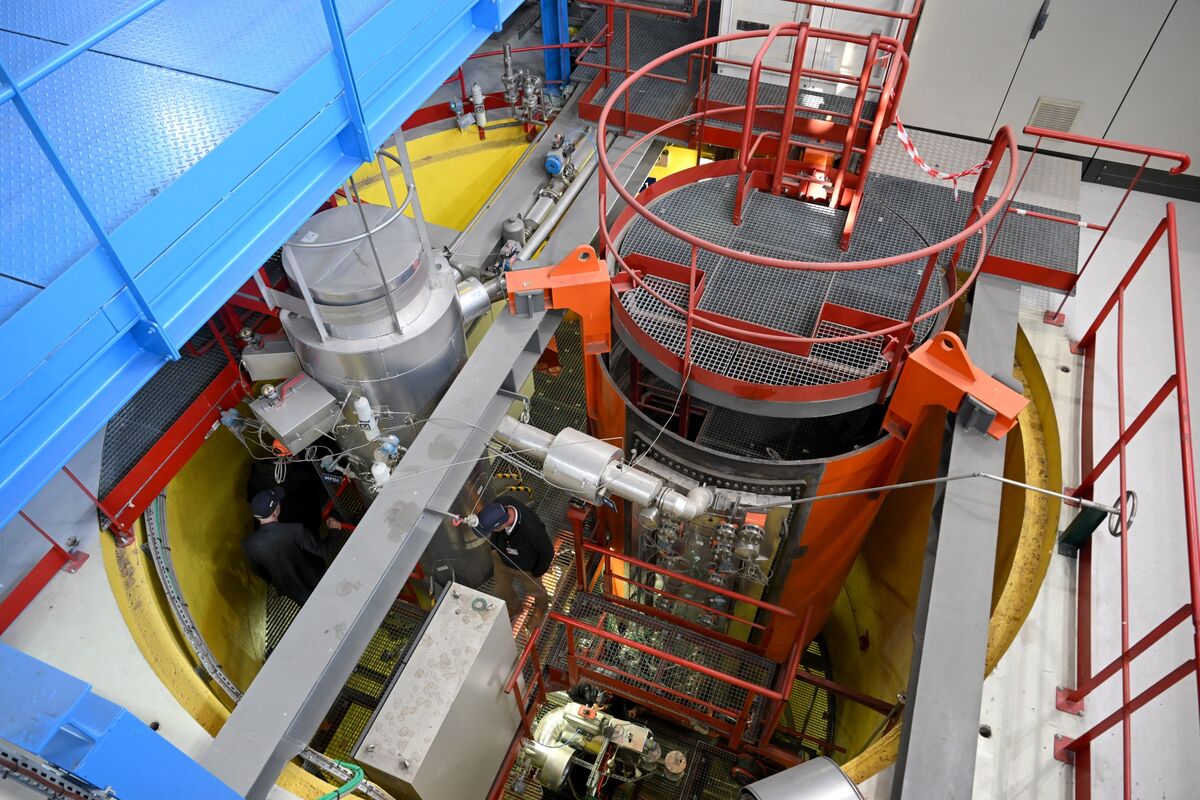
Antares Nuclear’s small modular reactor reached criticality, meaning the chain reaction became self-sustaining and the unit can now produce steady energy. The milestone is an important technical validation for the Energy Department pilot program and for broader small nuclear reactor development. The article is largely factual, but the result is a modest positive for the advanced nuclear and clean-power theme.
This is a signaling event more than a near-term earnings catalyst, but it materially lowers perceived execution risk for the small-modular nuclear stack. The first-order winners are not just the reactor developers; the bigger second-order beneficiaries are the U.S.-based component vendors, specialty metals, control systems, and project integrators that can now point to a credible domestic deployment path, which should compress financing spreads across the supply chain.
The competitive dynamic is subtle: a successful criticality milestone validates the technology class, but it also raises the bar for anyone selling alternative firm-clean power solutions. Gas turbine OEMs, industrial power providers, and even grid-scale battery names are exposed at the margin if this accelerates utility and hyperscaler interest in 24/7 clean baseload. That said, commercialization risk remains high because the market still has to bridge the gap from technical achievement to repeatable licensing, construction, and fuel-cycle execution.
The real catalyst window is 6-24 months, not days. Investors may overprice the milestone as if it de-risks revenue immediately, but the likely bottleneck is regulatory throughput and first-of-a-kind cost overruns, which can still derail timelines. The contrarian read is that the signal is bullish for the ecosystem, but the market may be underestimating how much of the value accrues to enablers rather than the reactor IP itself, especially if the platform becomes a standardized procurement template.
For macro portfolios, this strengthens the long-duration case for domestic energy infrastructure and defense-adjacent nuclear capability. The policy angle matters: once a government-backed pilot demonstrates tangible progress, it becomes harder to argue for slower permitting or weaker DOE support, which can extend the theme across multiple awards rather than a single winner-take-all name.
AI-powered research, real-time alerts, and portfolio analytics for institutional investors.
Request DemoOverall Sentiment
mildly positive
Sentiment Score
0.20
