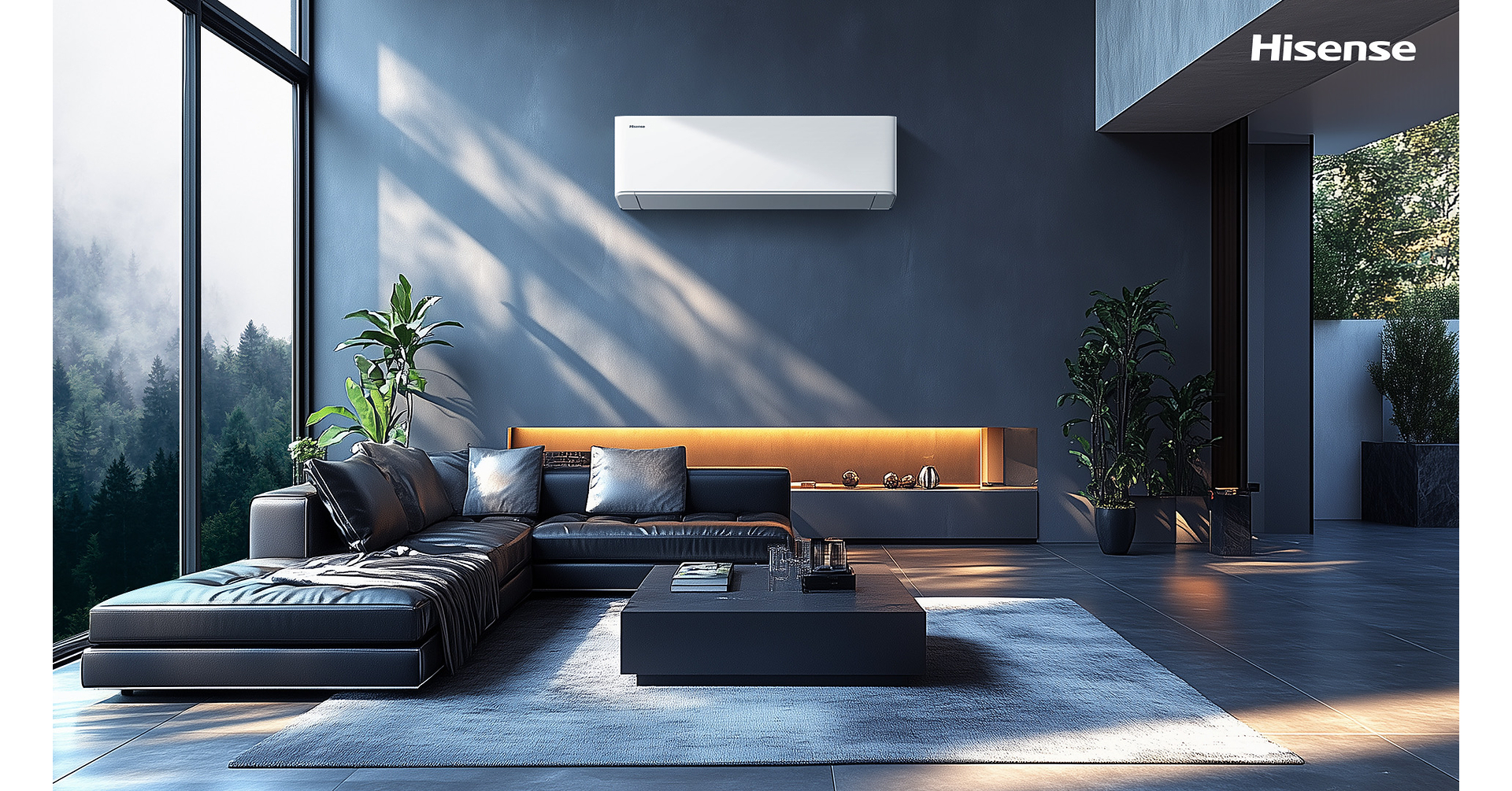
Hisense reports strong demand for air conditioners in Western Europe in 1H 2026, with revenue from AC sales up nearly 20% YoY, and growth exceeding 100% in France. The company attributes momentum to easy-to-install, modular “Uni” units and upgraded energy efficiency (A+++), alongside a premium “Air Master” model with Smart Eye Pro sensing and very low noise (18 dB). Overall, the update signals healthy regional sales traction tied to product usability and efficiency rather than broader macro drivers.
The important signal is not brand momentum; it is that installation frictions are being priced out of the category. If that persists, the winners are the low-cost Asian OEMs and the retail/distribution channels that can move volume without a heavy service attach, while the losers are premium HVAC brands whose edge comes from specification, installer relationships, and after-sales economics. In other words, share can shift faster than the total market expands, and the first margin casualty is usually pricing, not demand.
For the market, this is more of a read-through on European residential cooling penetration than an earnings event. The near-term catalyst is summer weather and retailer sell-through over the next 1-2 quarters; the structural thesis is a 6-18 month increase in penetration in apartments, rentals, and older housing stock. That can support component demand for compressors, inverter electronics, and energy-management parts, but the OEM with the loudest press release is not necessarily the one that captures the profit pool.
The contrarian risk is that this is a low-base, promotion-led spike rather than durable brand share. Easy-install and efficiency claims are quickly commoditized, and if inventory builds before the season ends, the category can flip into discounting by early autumn. The thesis is falsified if European retail scans slow sequentially in July/August or if 1H/2H gross margins do not improve alongside revenue growth; that would argue for fading the enthusiasm rather than chasing it.
AI-powered research, real-time alerts, and portfolio analytics for institutional investors.
Overall Sentiment
mildly positive
Sentiment Score
0.25
