

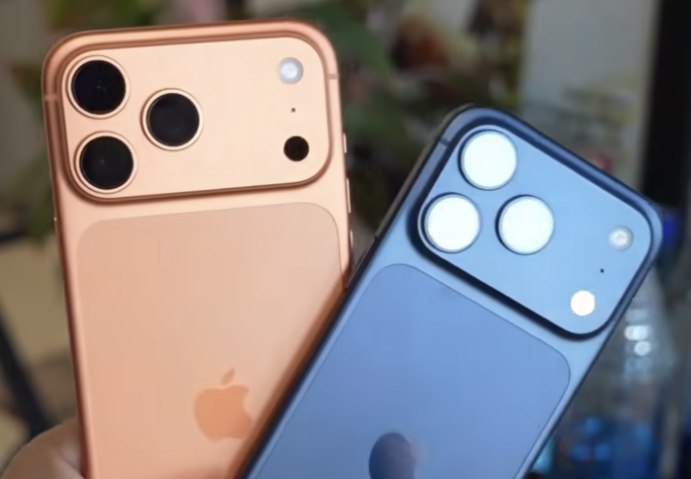
Apple’s iPhone 18 Pro Max is rumored to add under-display Face ID, a variable-aperture main camera, a 5,100-5,200 mAh battery and 12GB RAM, with a new Dark Cherry color and a likely September 2026 launch. Analysts also expect the A20 Pro chip on TSMC’s 2nm process and the C2 modem to improve efficiency and AI performance, while Apple may hold starting prices near current levels despite higher component costs. The article is speculative rather than confirmation, but it reinforces a premium-product upgrade cycle for Apple’s 2026 flagship lineup.
The market is likely underpricing the mix shift toward higher-spec content rather than unit growth. If Apple really ships a meaningful camera/mechanical-aperture change plus a larger battery and deeper on-device AI, the economic winner is less the handset ASP and more the component suppliers with scarce process know-how: leading-edge foundry capacity, advanced camera module vendors, and specialty materials. That favors TSM most directly because 2nm allocation and packaging complexity tend to tighten just as Apple ramps, creating a multi-quarter demand tail even if handset volumes are only flat to modestly up.
The second-order effect is competitive pressure on Android premium OEMs. A visibly smaller sensor cutout and materially better battery life are the kind of consumer-facing deltas that can widen Apple’s upgrade share at the top end without needing a broad cycle upgrade. That is bad for Samsung/Google-style flagship positioning because it forces them to spend more on camera marketing and AI differentiation while Apple’s ecosystem stickiness keeps gross margin leverage intact; the real threat is not share gain in one quarter, but a longer replacement-cycle pull from high-income users who would otherwise delay upgrades.
Consensus seems to be focused on features, but the more important question is whether Apple is using the launch to defend price while increasing bill of materials. If starting prices stay flat, the upside is mostly in mix and attachment rates, which supports earnings quality more than headline revenue. The risk is execution: a first-generation mechanical aperture or under-display subsystem can add yield and reliability issues, and any delay would push the thesis out by 1-2 quarters and compress near-term enthusiasm.
Near term, this is a catalyst for expectations management rather than a direct revenue step-up. The trade works best into supply-chain confirmation, not on rumor momentum alone, because the stock reaction will depend on whether investors believe Apple can preserve margins while funding a more expensive build. If the market starts treating this as another incremental iPhone cycle, the setup becomes a fade; if component checks confirm constrained ramp on 2nm and camera modules, the supply chain should outperform before handset demand data even arrives.
AI-powered research, real-time alerts, and portfolio analytics for institutional investors.
Request TrialOverall Sentiment
mildly positive
Sentiment Score
0.35
Ticker Sentiment
