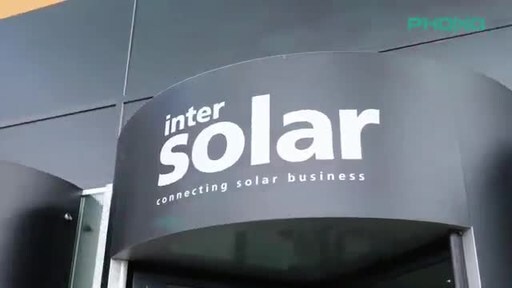
PHONO showcased its “full-scenario” PV portfolio at Intersolar Europe 2026 and highlighted being the first Chinese PV brand with its full product range certified for all scenarios by Germany’s DIBt, supporting premium European compliance. It also unveiled an integrated “Solar-Storage-Charging” solution combining the SCUTUM solar carport with modular storage and iBMS, plus smart O&M tools (including unmanned cleaning robots). The company signed major strategic cooperation agreements in Spain and Italy to accelerate European market penetration, with messaging emphasizing long-term bankability (BloombergNEF Tier 1 for 13 years) and the launch of its inaugural ESG report.
This is a competitive signal, not a clean earnings catalyst. The important takeaway is that Chinese PV/storage vendors are moving further up the trust stack in Europe by pairing certification, bankability, and integrated solutions; that tends to compress pricing power for smaller clean-tech assemblers and installers while helping project developers source cheaper hardware. Near term, the market may overreact to the optics, but the real effect is likely to show up first in procurement margins and backlog quality rather than headline revenue.
For CETY, the read-through is mildly negative if it competes in distributed solar/storage or EPC-adjacent niches: larger, better-capitalized incumbents with validated product portfolios can win the lower-risk European work and leave smaller players fighting on price. UUUU has essentially no direct linkage; any benefit is only through broad clean-energy sentiment, while the real uranium thesis remains utility contracting and nuclear policy, not solar branding. Over 6-18 months, the more interesting second-order effect is that cheaper solar plus storage can increase grid intermittency pressure, which is supportive for firm-power narratives, but that is not an immediate trade.
Contrarian view: the market may be extrapolating commercial success from a PR-heavy event before it is visible in orders, margins, or receivables. Europe is still the right battleground, but tariffs, localization rules, and financing scrutiny can slow monetization, so the most likely failure mode is a lag between certification wins and actual P&L contribution. The thesis is falsified if CETY shows no margin compression in its next two quarters or if UUUU gets a separate policy/utility catalyst that dominates this noise.
AI-powered research, real-time alerts, and portfolio analytics for institutional investors.
Request DemoOverall Sentiment
mildly positive
Sentiment Score
0.25
Ticker Sentiment
