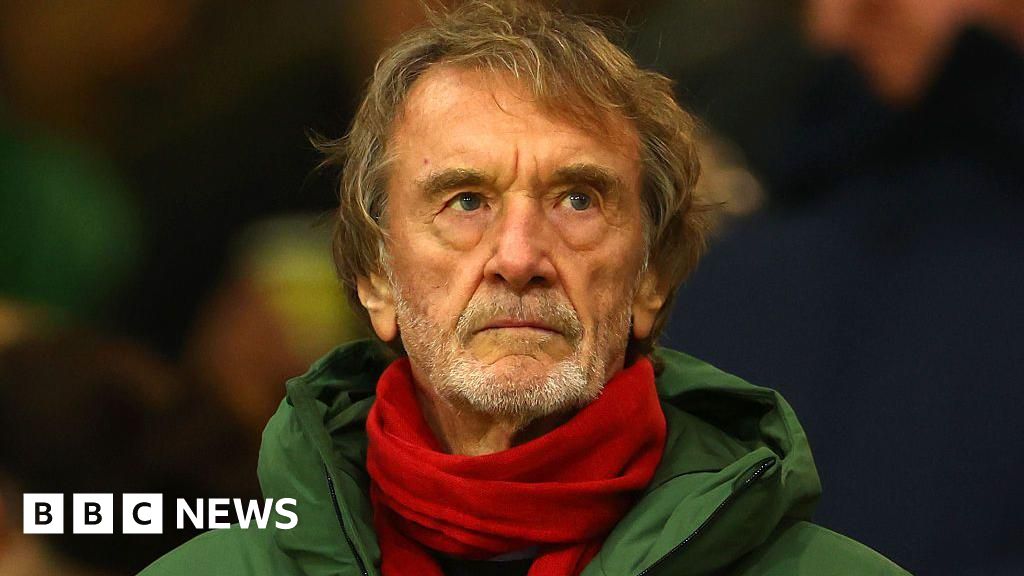
Sir Jim Ratcliffe, founder and chairman of chemicals group Ineos, is a billionaire with estimated net worths of about £12.8–17bn; Ineos reports roughly £50bn in sales from 154 facilities across 27 countries and more than 26,000 employees. Ratcliffe finalised a £1.25bn purchase of a 27.7% stake in Manchester United in February 2024 (including a £237m earmark for stadium investment as part of a £4.2bn regeneration plan), changed tax domicile to Monaco in 2020 (a move cited as potentially saving ~£4bn if residency conditions are met), and has recently generated political controversy over comments on immigration — a reputational issue but one with limited direct market-moving implications for investors in Ineos or Manchester United.
Market structure: Ratcliffe’s publicity and political comments create asymmetric short-term winners (competitors, stadium contractors) and losers (MANU via sponsor/fan backlash). He owns 27.7% and Ineos committed £237m to the club with a £4.2bn regeneration pipeline — that capital supports contractors (UK construction names) but also concentrates reputational risk on MANU’s revenue lines (matchday/sponsorship ~5–10% at risk if key sponsors pause). Cross-asset: expect MANU equity implied vol to spike 20–40% over the next 30 days; GBP may see small directional moves (±30–80bps intraday) on UK political spillovers; gilts impact likely immaterial absent broader policy moves.
Risk assessment: Tail risks include sponsor withdrawals trimming FY revenue by 5–10%, regulator or PL governance actions altering control rights, or fan-led boycott reducing attendance 5–15% for a season. Time horizons: immediate (days) = social media/sponsor headlines and vol spikes; short (weeks–months) = sponsorship renewals, media commentary, share-price moves (possible 5–15% range); long (quarters–years) = stadium project delivery unlocking structural revenue. Hidden dependencies: Glazer majority limits Ratcliffe’s unilateral upside/downside; second-order effects include player recruitment/brand erosion and potential political pressure on UK tax/ownership rules.
Trade implications: Direct: tactical short MANU (NASDAQ: MANU) via 3-month puts 10% OTM sized 1–2% portfolio, target 10–20% downside, stop-loss +12% from entry. Pair: long UK construction exposure (Balfour Beatty, LSE:BAM) 1–2% to capture stadium capex over 12–24 months. Options: if MANU 30-day implied vol > realized by >30%, sell covered calls (30-day, +10% strikes) to harvest premium; otherwise buy puts. Entry: establish within 1–14 days; exit/reevaluate at 30, 90, 180 days depending on sponsor/regulator outcomes.
Contrarian angles: Market may overprice reputational damage vs structural upside from a £4.2bn redevelopment — historically owner controversies (Glazers protests) produced sharp but short-lived drawdowns with mean reversion within 3–9 months. Mispricing: if MANU declines >15% with no sponsor exits, implied vol will be too rich — consider buying shares or selling puts (covered) with a 6–12 month horizon. Unintended consequence: aggressive shorting could prompt Ratcliffe/Ineos to inject further capital or accelerate marquee signings, capping downside; set alert to cover if MANU repurchases equity or boosts transfer spend by >£100m within 90 days.
AI-powered research, real-time alerts, and portfolio analytics for institutional investors.
Request DemoOverall Sentiment
neutral
Sentiment Score
0.00
Ticker Sentiment
