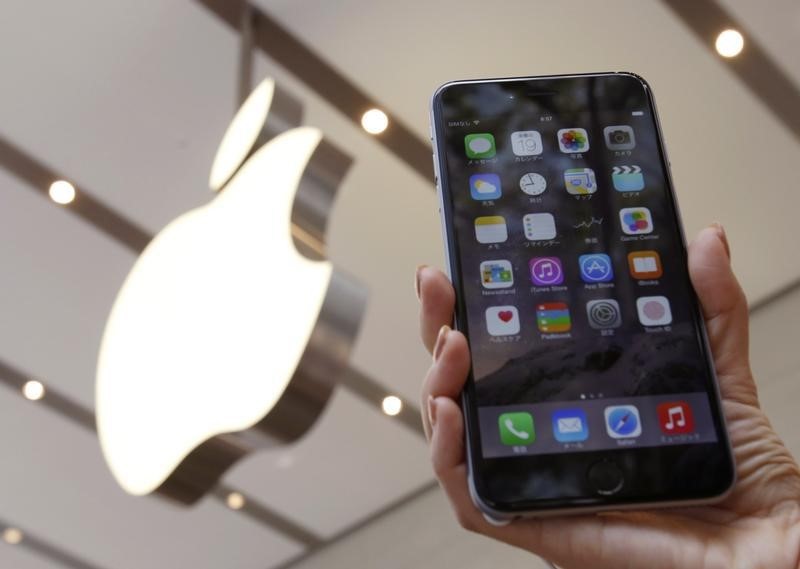
Goldman Sachs reiterated a Buy on Apple with a $330 price target and forecasts fiscal Q2 2026 EPS of $2.00 versus $1.93 consensus, citing iPhone, Mac, and margin strength. Apple is still down 4% YTD versus a 2% gain for the S&P 500, but demand trends, China share gains, and expected 14% Services growth are supportive. Headwinds remain from surging DRAM costs, though Apple’s global smartphone share rose to 21% in Q1 2026 and the firm sees the iPhone Fold launching in Fall 2026.
The market is underestimating how much of Apple’s near-term earnings power is now tied to supply-chain allocation, not just end-demand. In a constrained memory environment, the firms with scale, purchasing leverage, and margin discipline can actually gain share while competitors either miss launches or subsidize memory to hold volume; that is a classic bifurcation setup where the strongest balance sheet becomes a competitive weapon. The implication is that Apple’s premium multiple can persist even if unit growth is only moderate, because mix and pricing power become the real drivers of EPS revision.
The bigger second-order beneficiary is the analog/component ecosystem tied to Apple content per device. If Apple keeps absorbing scarce DRAM while preserving ASPs, the value chain shifts toward suppliers with proprietary sockets and mission-critical positions, but only if they are not exposed to broad consumer-device unit weakness. That favors names with Apple-specific leverage and disciplined exposure more than generic memory-linked hardware beta.
The main risk is timing: the stock can rally on pre-earnings optimism and still disappoint if management emphasizes gross margin pressure more than unit strength. The next 10 days matter for headline reaction, but the 3-6 month setup depends on whether DRAM inflation is transitory or becomes embedded into 2026 device planning; if memory spot pricing cools, the current margin-expansion narrative loses force quickly. A secondary risk is that any China share gains are more fragile than they look if trade-in/promotional intensity rises further, which would support units but cap incremental profitability.
Consensus appears to be focusing on the obvious bullish read-through: stronger iPhone demand and Services resilience. What’s less appreciated is that Apple’s decision to defend share in a cost-inflation environment can compress weaker OEMs’ margins first, which may show up as delayed launches, lower promotional intensity, and eventual channel destocking across Android supply chains. In other words, the bullish Apple trade may be more bearish for the rest of consumer hardware than the market is pricing.
AI-powered research, real-time alerts, and portfolio analytics for institutional investors.
Request DemoOverall Sentiment
mildly positive
Sentiment Score
0.25
Ticker Sentiment
