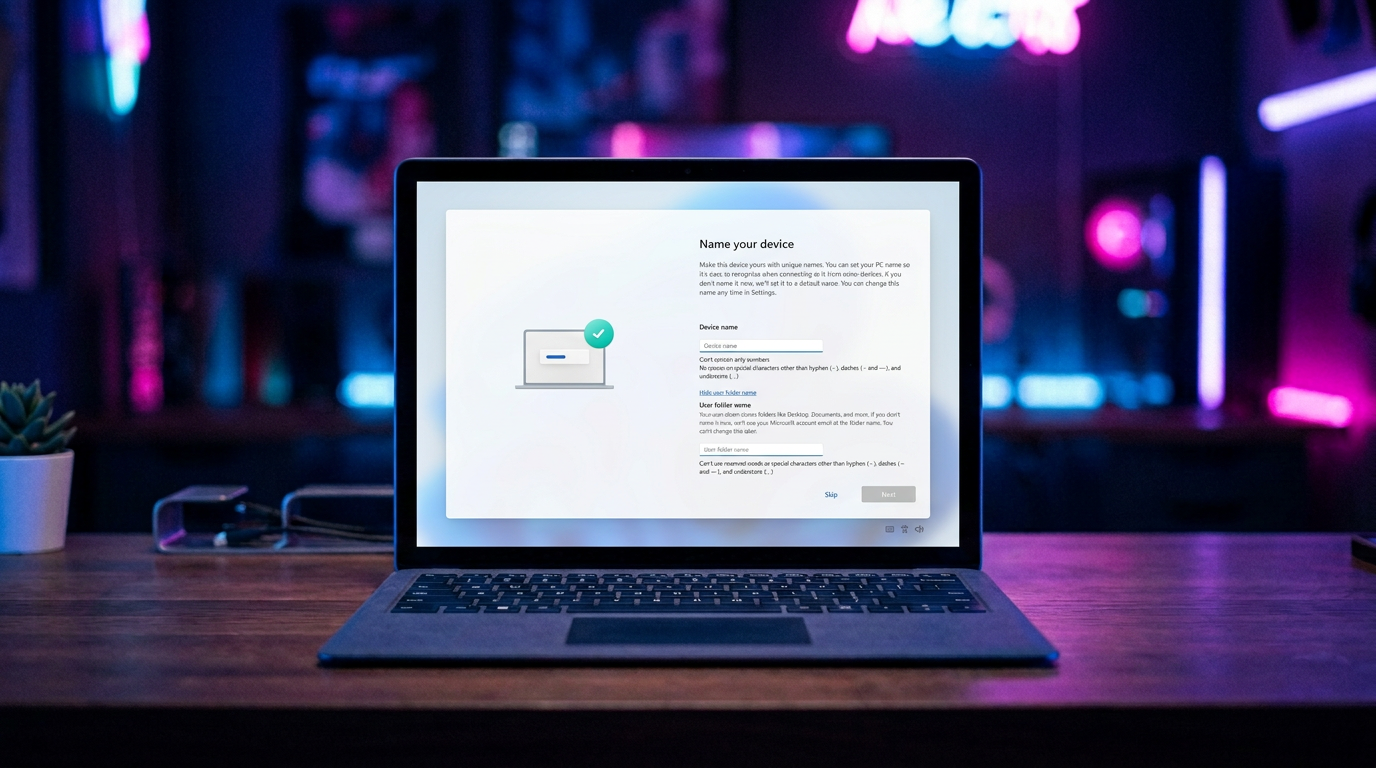
Microsoft VP Scott Hanselman posted that he's 'working on' relaxing Windows 11's mandatory Microsoft Account requirement, signaling internal support for change. Multiple teams inside Microsoft are reportedly pushing to remove the requirement, but the decision appears to be a policy/committee issue with no committed timeline. Near-term market impact is minimal, though a change could modestly influence user privacy perceptions and adoption over time.
Relaxing a forced online-account flow is primarily a policy lever with measurable but small near-term P&L consequences and larger behavioral effects over 12–36 months. If even 5–10% of new Windows activations elect out of account-linked services, rough math (200m annual new activations × $5–$15 ARPU loss) points to tens-to-low hundreds of millions of dollars in annual consumer-service revenue impact — roughly 0.02–0.2% of Microsoft’s top line, concentrated in consumer services and advertising-adjacent receipts. The bigger implication is structural: less telemetry and weaker cross-product stickiness degrades long-run monetization velocity for Edge/OneDrive/Office bundles and the personalization backbone for Copilot features.
Second-order winners are identity/security vendors and enterprise tooling that enable local or third‑party auth flows; enterprises and OEM channels also gain from lower friction at retail activation, which could bump conversion by a few percent in sensitive segments (thin-margin Chromebooks-like buyers). Losers include the internal Microsoft franchises that extract downstream value from account-linked telemetry (consumer cloud add-ons, ad targeting); regulatory optics improve if the company voluntarily relaxes the requirement, lowering antitrust tail risk and potential punitive remedies. The competitive impact will show up slowly in sub‑line growth rates rather than headline revenue shocks.
Catalysts and timeframes to watch: internal roadmap signals (Windows Insider builds) and regulatory/antitrust filings over the next 3–12 months, plus FY guidance shifts at Microsoft earnings 2–4 quarters out. Reversal risks are material if internal revenue owners push back or if relaxation materially raises churn of paid consumer subs; a rapid regulatory mandate would instead accelerate changes and create a temporary re‑rating. Monitor telemetry disclosures and OneDrive/Office consumer metrics for early signs of user behavior divergence.
AI-powered research, real-time alerts, and portfolio analytics for institutional investors.
Request DemoOverall Sentiment
mildly positive
Sentiment Score
0.15
Ticker Sentiment
