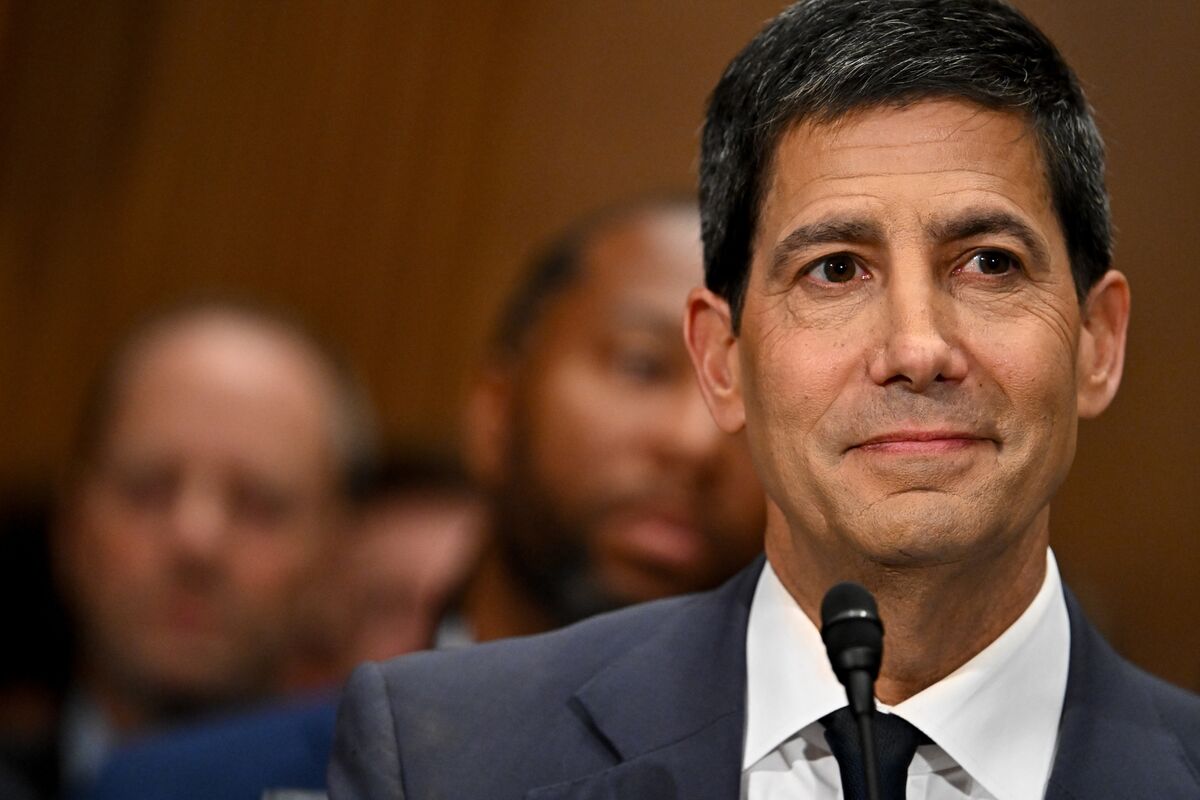
Kevin Warsh won Senate Banking Committee backing on a 13-11 party-line vote, clearing a key hurdle toward confirmation as the next Federal Reserve chair before Jerome Powell’s term ends on May 15. His nomination had been delayed by a DOJ criminal probe related to Fed headquarters renovation cost overruns, which was recently paused. The development is highly relevant for markets because it increases the odds of a change in Fed leadership and policy direction.
The market implication is less about the committee vote itself and more about regime optionality: a new Fed chair with political backing raises the probability of a faster policy pivot once installed, even if the first weeks are ceremonial. The second-order effect is a steeper front-end path uncertainty premium — rate-sensitive assets may already be discounting easier policy, but the bigger move is likely in the curve if investors start pricing a more politically reactive Fed and a higher chance of forward guidance surprises.
The bigger winners are duration and credit-beta exposures that benefit from a lower real-rate path, but the asymmetry is in sectors with refinancing cliffs over the next 6-18 months. Small-cap growth, REITs, homebuilders, and levered private-credit proxies should outperform if the transition lowers terminal-rate expectations; conversely, bank NIMs and cash-rich defensives become relative losers if the market shifts toward earlier cuts and a flatter policy credibility premium. A more subtle beneficiary is fiscal risk-taking: easier monetary expectations tend to loosen financial conditions even before any cut, supporting risk assets disproportionately.
Tail risk is not that the confirmation fails; it is that the market has over-committed to a dovish interpretation and gets disappointed by a chair who is confirmed but boxed in by inflation data or internal Fed resistance. That creates a 1-3 month window where the trade can reverse sharply if core inflation re-accelerates or if Senate scrutiny turns the confirmation into a political distraction. On the other side, if the appointment is perceived as weakening central-bank independence, breakevens can rise while nominal yields fall, a mixed outcome that favors hard assets over long-duration equities.
The contrarian view is that the move may be underpriced in political risk terms but overpriced in near-term policy impact. A chair change does not alter the data path, and the real earnings effect for most sectors will lag by quarters; the fastest P&L is likely in rates vol, not equities. The best setup is to trade the uncertainty around the first FOMC meetings, not the headline confirmation itself.
AI-powered research, real-time alerts, and portfolio analytics for institutional investors.
Request DemoOverall Sentiment
neutral
Sentiment Score
0.05
