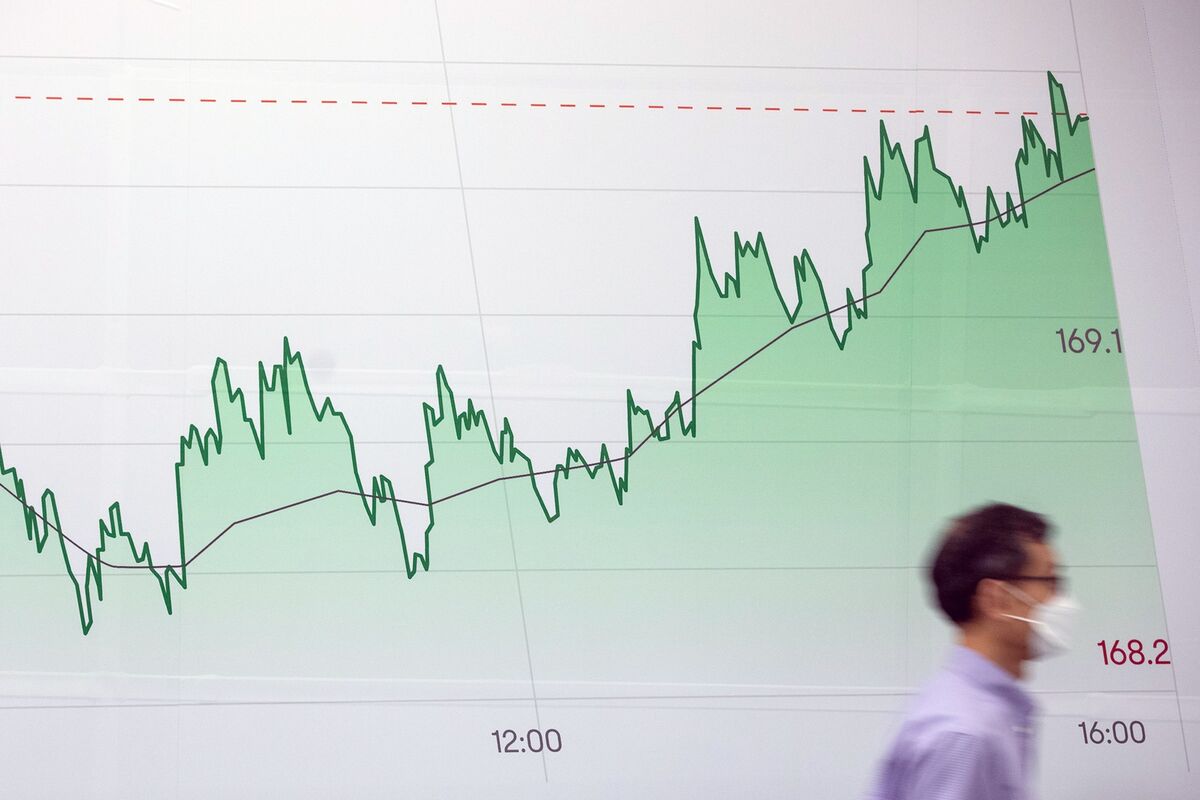
The premium of Chinese A-shares over their Hong Kong-listed counterparts has shrunk to a five-year low of 27%, as measured by the Hang Seng Stock Connect China AH Premium Index, signaling a potential buying opportunity for investors seeking undervalued onshore stocks. Historically, similar dips in the premium have been followed by a widening of the valuation gap.
The valuation premium of Chinese A-shares over their Hong Kong-listed H-share counterparts has contracted to a five-year low, currently standing at 27% as indicated by the Hang Seng Stock Connect China AH Premium Index. This narrowing suggests that onshore Chinese equities have become relatively less expensive compared to their dual-listed peers. Historical data indicates that previous instances where this premium dipped below the 30% threshold were often followed by a subsequent widening of the valuation gap, implying a potential reversion to a higher premium for A-shares and presenting a possible inflection point for relative value investors.
AI-powered research, real-time alerts, and portfolio analytics for institutional investors.
Request DemoOverall Sentiment
moderately positive
Sentiment Score
0.40
