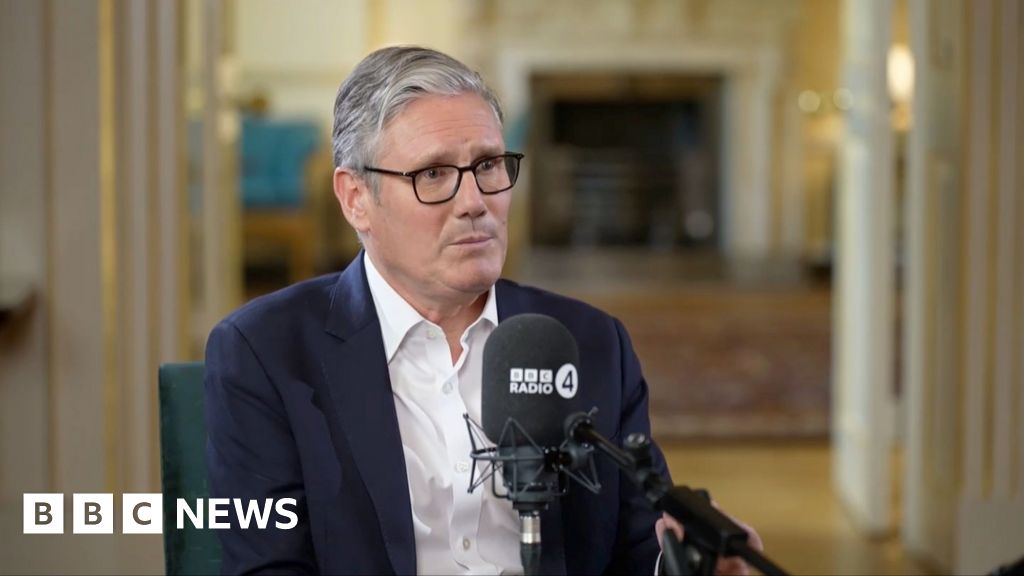
Sir Keir Starmer's government executed a significant U-turn on its proposed welfare reforms, specifically the Personal Independence Payment (PIP), following widespread rebellion from Labour MPs. Starmer admitted a failure in internal engagement, resulting in the core measures of the Universal Credit and Personal Independence Payment Bill being abandoned and approximately £5bn in anticipated savings being delayed or lost, which pressures Chancellor Rachel Reeves' spending plans. This episode raises concerns about policy coherence and government authority, despite Starmer's reaffirmation of his commitment to welfare reform and support for Reeves as Chancellor.
The UK Labour government's significant U-turn on its flagship welfare reforms signals considerable internal dissent and raises questions about the administration's policy coherence and execution capability. The reversal on tightening Personal Independence Payment (PIP) eligibility, forced by a rebellion of over 120 Labour MPs, has direct fiscal consequences, creating a budgetary shortfall of approximately £5bn in anticipated savings. This development puts immediate pressure on Chancellor Rachel Reeves' spending plans and introduces uncertainty into the UK's fiscal trajectory. Prime Minister Keir Starmer's admission of a failure in process underscores a weakness in party management, suggesting a heightened political risk for the government's future legislative agenda. While Starmer has publicly backed his Chancellor and reaffirmed his commitment to reform, this episode damages the government's credibility and suggests that even with a commanding majority, its ability to implement potentially unpopular but fiscally significant policies is constrained.
AI-powered research, real-time alerts, and portfolio analytics for institutional investors.
Request DemoOverall Sentiment
moderately negative
Sentiment Score
-0.50
