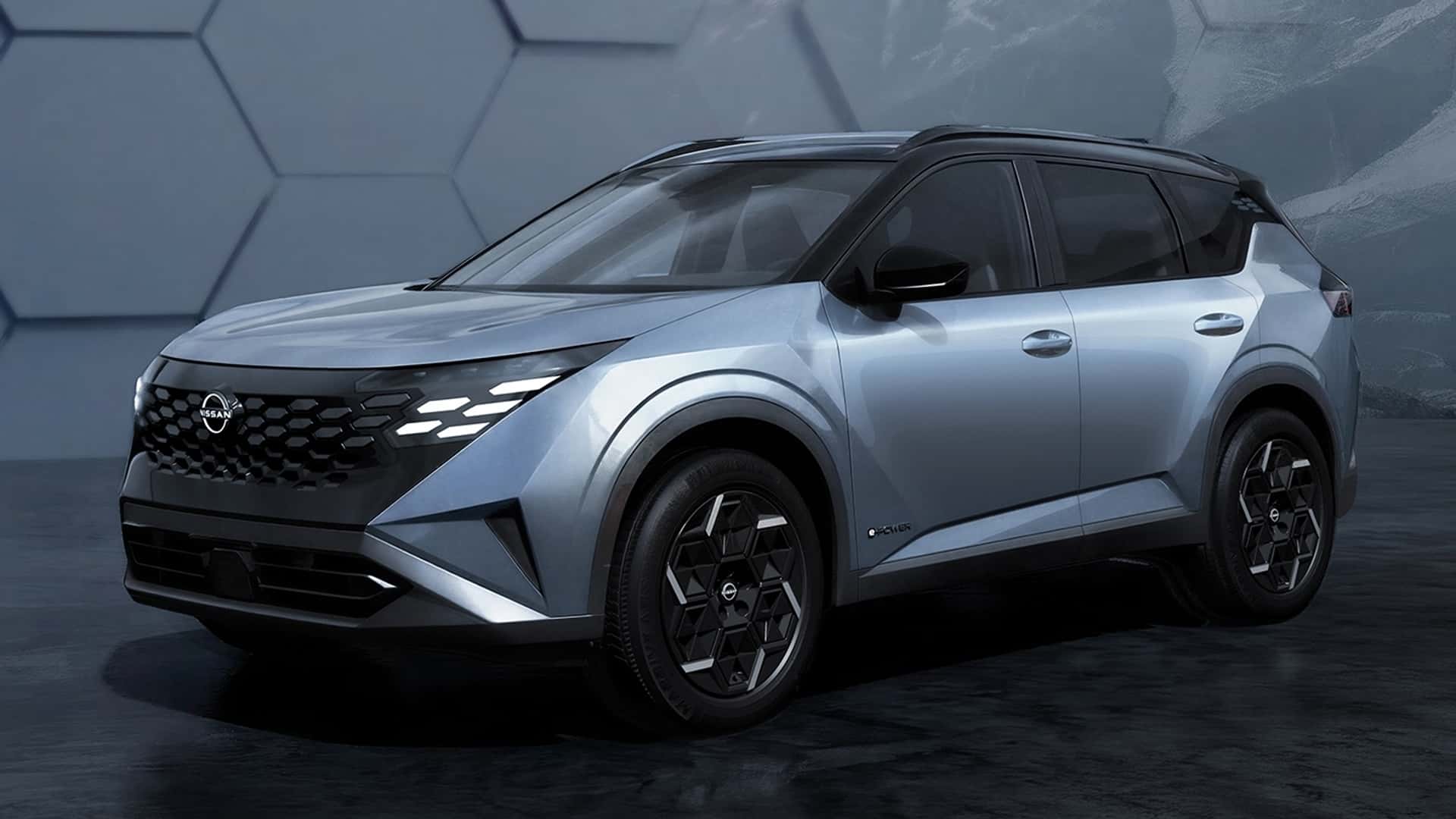
Nissan is set to launch the 2027 Rogue Hybrid E-Power, a series-hybrid/EREV-style SUV that uses electric motors for propulsion while the gas engine charges the battery. The model is positioned as a more appealing replacement for the 2026 Rogue hybrid, offering EV-like driving without range anxiety and potentially strong consumer appeal if fuel prices remain elevated. The article is qualitative and unlikely to move the stock materially, but it signals a product strategy aimed at improving the Rogue lineup.
This is less about one SUV and more about Nissan trying to reframe itself as a pragmatic bridge brand in a market where EV adoption has slowed but fuel-efficient electrified vehicles still convert well. The second-order implication is that Nissan may improve take rates and pricing power in its core crossover franchise without waiting for charging infrastructure to catch up, which matters more for retail traffic and lease economics than for headline unit growth. If the product lands, the upside is likely to show up first in North American mix and residual values rather than immediate top-line fireworks.
Competitively, the biggest pressure is on mainstream hybrids and plug-in hybrids that rely on shoppers accepting charging friction or a more conventional hybrid feel. A series-hybrid layout can steal consideration from Toyota, Honda, and Hyundai/Kia in the sub-$40k family SUV bucket because it offers a more intuitive EV-like drive without asking the buyer to change behavior. The supply chain winner is likely the e-motor/inverter content stack, while the loser is incremental ICE engine content per vehicle; over time this shifts value capture toward power electronics and battery pack suppliers rather than transmission and engine component vendors.
The main risk is execution: if real-world fuel economy, NVH, or battery durability disappoints, this becomes another mid-cycle refresh story with limited investor relevance. Timing matters—consumer response will likely take 2-3 quarters post-launch to filter through sales data, incentives, and residuals. The contrarian read is that the market may be underestimating how quickly a credible EREV-like product can restore Nissan’s relevance in a segment where buyers want EV smoothness but are still anchoring on convenience and monthly payment, not environmental virtue.
AI-powered research, real-time alerts, and portfolio analytics for institutional investors.
Request TrialOverall Sentiment
moderately positive
Sentiment Score
0.45
