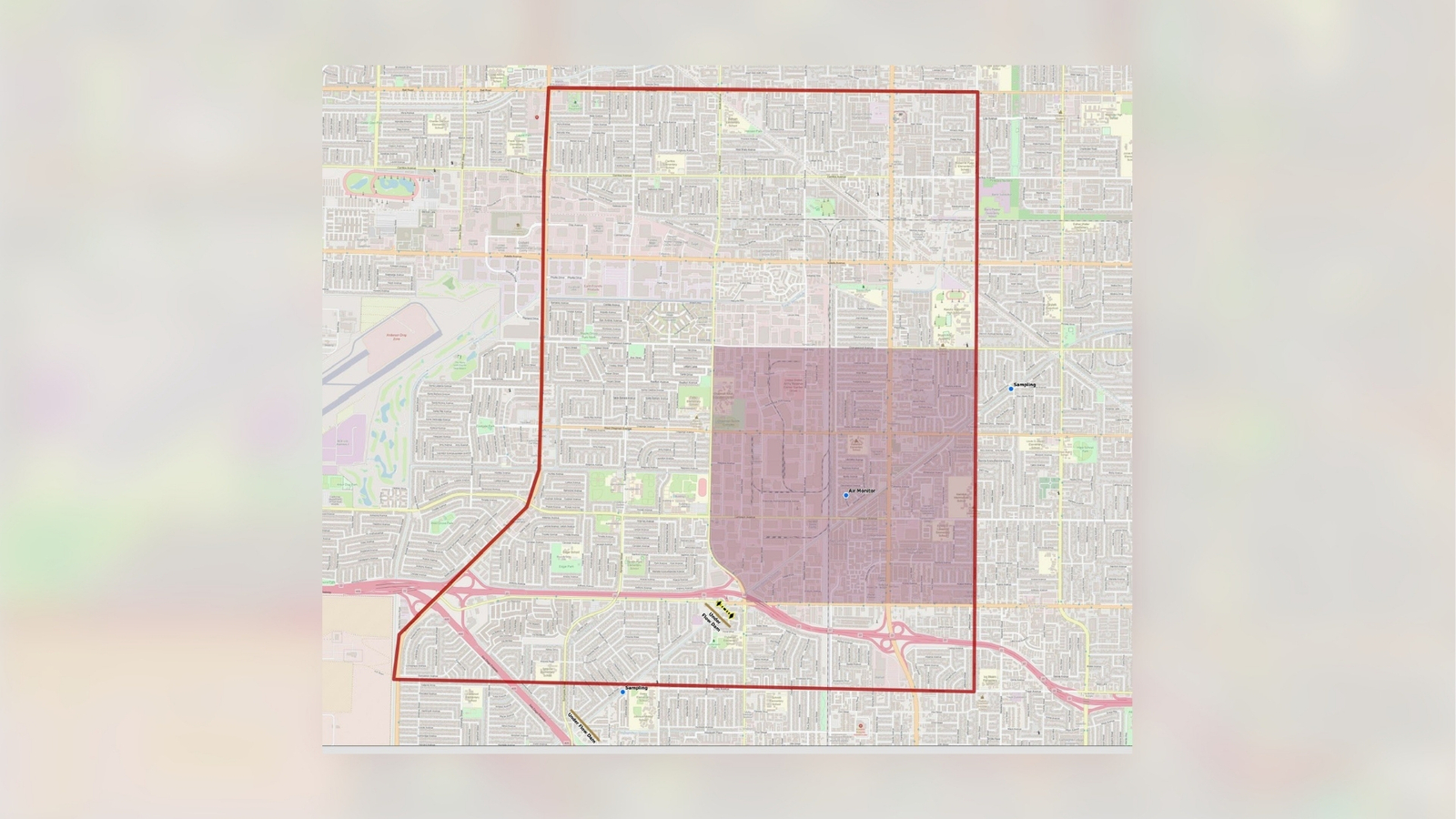
Orange County officials reduced the Garden Grove evacuation zone, allowing about 65% of impacted residents to return home while roughly 16,000 people remain under evacuation. Garden Grove Boulevard traffic has been restored in both directions and all 22 Freeway on- and off-ramps remain open. Officials said further relaxation depends on continued cooling inside the tank to lower fire risk.
The first-order read is operational relief, but the more investable signal is that the incident is shifting from a hard disruption to a managed risk event. That typically compresses the probability of prolonged regional shutdowns, which is what matters for logistics-sensitive businesses: every incremental reopening reduces the odds of cascading knock-on delays across local delivery networks, last-mile routes, and airport/port access corridors. The market should start pricing this as a shorter-duration event unless temperature trends reverse.
The second-order loser set is more subtle than the obvious nearby retail and housing disruption. Emergency-response spend, overtime labor, traffic management, and insurance claims usually persist after the headline zone shrinks, while revenue normalization for impacted operators can lag by days to weeks. For transportation and logistics, the real risk is not the closure itself but volatility in routing, driver utilization, and service-level penalties; even a partial reopening can create temporary congestion and bottlenecks as residents and commercial traffic re-enter the same corridors.
The key catalyst now is thermal trend continuation inside the tank. If temperatures keep falling, the event likely transitions from a multi-day public safety issue into a short-lived nuisance, which would cap any sustained earnings impact outside directly adjacent businesses. If temperatures stabilize or re-accelerate, the market may need to reprice a second evacuation expansion, and the response would be asymmetric because the prior reduction can create complacency in local traffic and staffing plans.
Consensus may be underestimating how quickly the financial impact mean-reverts once access is restored. In these events, the alpha is usually in shorting the overreaction rather than betting on the disaster itself: most of the economic hit is temporary, but volatility in municipal services, insurers, and local logistics providers can persist longer than the physical hazard. The best setup is to fade names that rallied on scarcity or disruption narratives while focusing on beneficiaries of normalized mobility.
AI-powered research, real-time alerts, and portfolio analytics for institutional investors.
Request DemoOverall Sentiment
neutral
Sentiment Score
0.05
