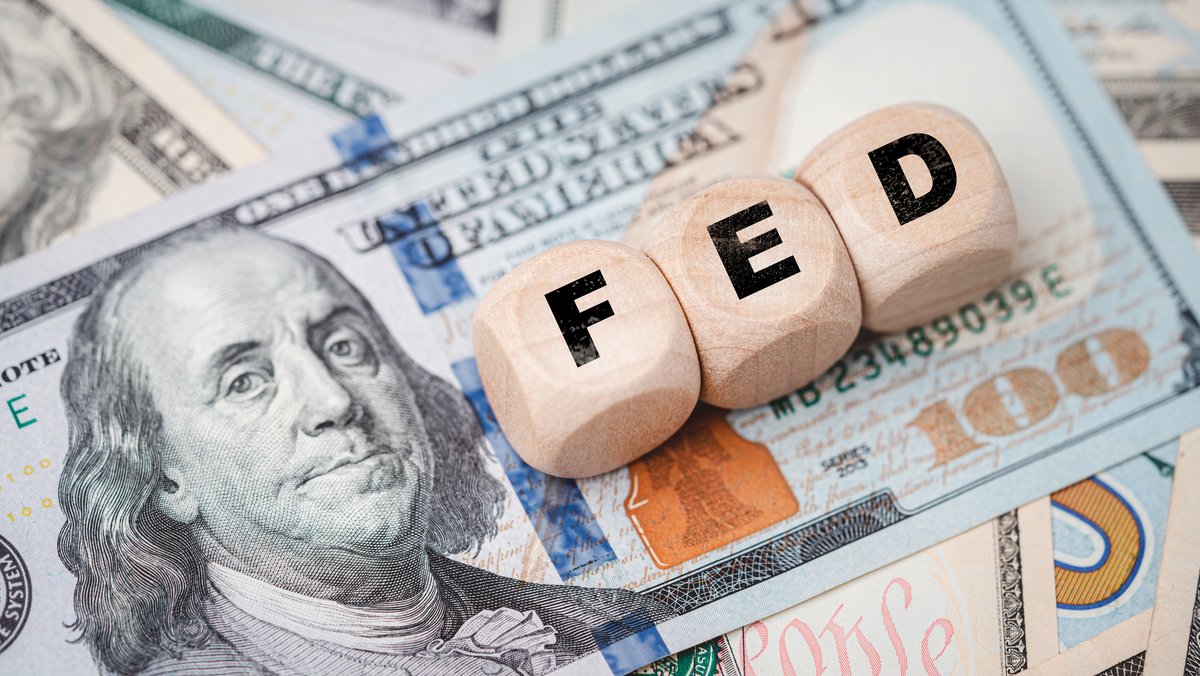
Top CD yields are still around 4.10% to 4.20% APY, including United Fidelity Bank at 4.20% on 24-60 month terms and 4.15% on 6-18 month terms, as the market braces for the Fed's June decision. The article argues investors may want to lock in rates now because a rate cut or even a dovish signal could push CD yields lower quickly. The piece is broadly supportive of savers, but its main message is cautionary: act before rates reset lower.
The immediate market implication is not the level of rates, but the asymmetry in bank pricing behavior around a policy inflection. Deposit products reprice faster than loan books, so a near-term easing signal should compress net interest margins first at asset-sensitive names with a high mix of short-duration funding and slow-reset yields. That makes rate-sensitive deposit gatherers more vulnerable than institutions with sticky noninterest-bearing balances or stronger fee franchises.
In the listed names, SOFI is the cleanest beneficiary of the “act now before rates reset” narrative because its retail funding proposition gets more compelling when consumers chase yield and term structure stays elevated just long enough to lock in balances. BFH looks more exposed to a late-cycle spread squeeze: if short-end yields fall but consumer credit costs remain sticky, the market will likely worry about deposit cost inflection before asset yield relief shows up. LC sits in the middle; lower benchmark rates can help borrower affordability and funding optics, but the more important second-order effect is that tighter spreads can reduce the appeal of unsecured credit assets relative to safer cash alternatives.
The contrarian setup is that consensus is treating this as a simple “rates down = bad for savers” story, when the bigger catalyst may be a positioning unwind in cash substitutes. If policy language is less dovish than feared, these CD/HYSA flows can reverse quickly, leaving recent deposit inflows stranded in longer-duration products and forcing banks to defend balances with richer promos. That creates a two-to-six week window where funding pressure can widen dispersion across retail banks even if the Fed only delivers a modest surprise.
Risk is that the market is overestimating how much the front end can still fall if inflation data stays sticky, in which case the current pricing war on CDs and HYSAs may persist longer than expected. But if the Fed signals cuts within the next 1-2 meetings, the repricing should hit promotional deposit rates first and long-duration fixed CDs second, favoring institutions that are more fee-driven or less dependent on rate-sensitive retail balances.
AI-powered research, real-time alerts, and portfolio analytics for institutional investors.
Request DemoOverall Sentiment
mildly positive
Sentiment Score
0.15
Ticker Sentiment
