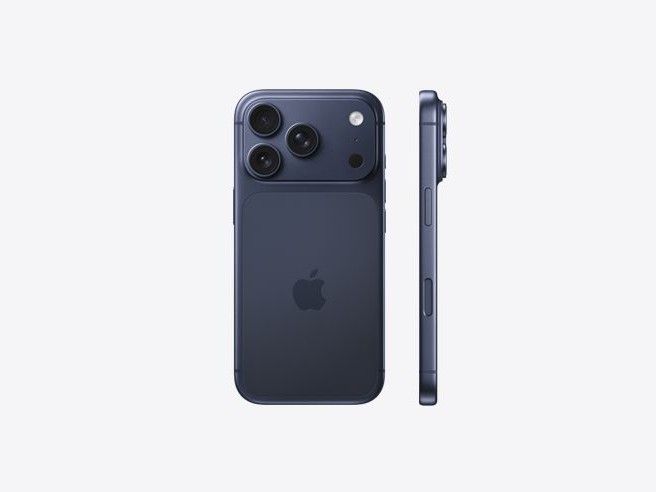
Apple is reportedly developing an anti-theft iPhone feature that could automatically lock the device if accelerometer and location signals indicate it has been snatched. The system may also use proximity to an Apple Watch, Wi‑Fi, and familiar-location checks, building on Stolen Device Protection introduced in iOS 17.3. The news is incremental and largely competitive in nature, with Google already offering a similar Android theft-detection lock.
This is a modest but directionally favorable product-security catalyst for AAPL, with the real value not in headline differentiation but in friction reduction across the installed base. A thief that cannot immediately access Wallet, password manager, or banking sessions raises the expected cost of phone theft, which should support premium-device stickiness and reduce churn at the margin. The second-order beneficiary is Apple’s services stack: the more the handset is treated as a secure identity vault, the more leverage Apple gains over authentication, payments, and account recovery flows.
The competitive angle is more subtle: Google’s similar capability reduces feature-level differentiation, but Apple’s tighter hardware-software integration and richer contextual signals with Watch, Wi-Fi, and location give it a better chance of lower false positives. That matters because the main product risk is not theft protection working; it is over-locking in legitimate high-movement use cases, which could generate support costs and user annoyance if thresholds are too aggressive. If Apple nails the balance, this becomes a low-cost trust upgrade that reinforces the ecosystem moat rather than a standalone growth driver.
The catalyst horizon is months, not days. Near-term upside is likely capped because the market will view this as incremental unless Apple ties it into a broader privacy/security narrative at a product event; however, even incremental security improvements can have outsized conversion value in emerging markets and among business users where device trust is a purchase criterion. The contrarian view is that consensus may underappreciate how security features lower the perceived switching cost into the Apple ecosystem, while overestimating any immediate monetization; the real payoff is in retention and attach rates, not unit growth.
Risk is mostly execution and timing. If launch slips or the feature proves flaky, it becomes a nuisance headline rather than a moat expansion. Also, because the market already expects Apple to continue hardening the device, the stock reaction should be muted unless this is bundled with other on-device AI/security announcements that re-rate the narrative around premium services and consumer trust.
AI-powered research, real-time alerts, and portfolio analytics for institutional investors.
Request DemoOverall Sentiment
mildly positive
Sentiment Score
0.15
Ticker Sentiment
