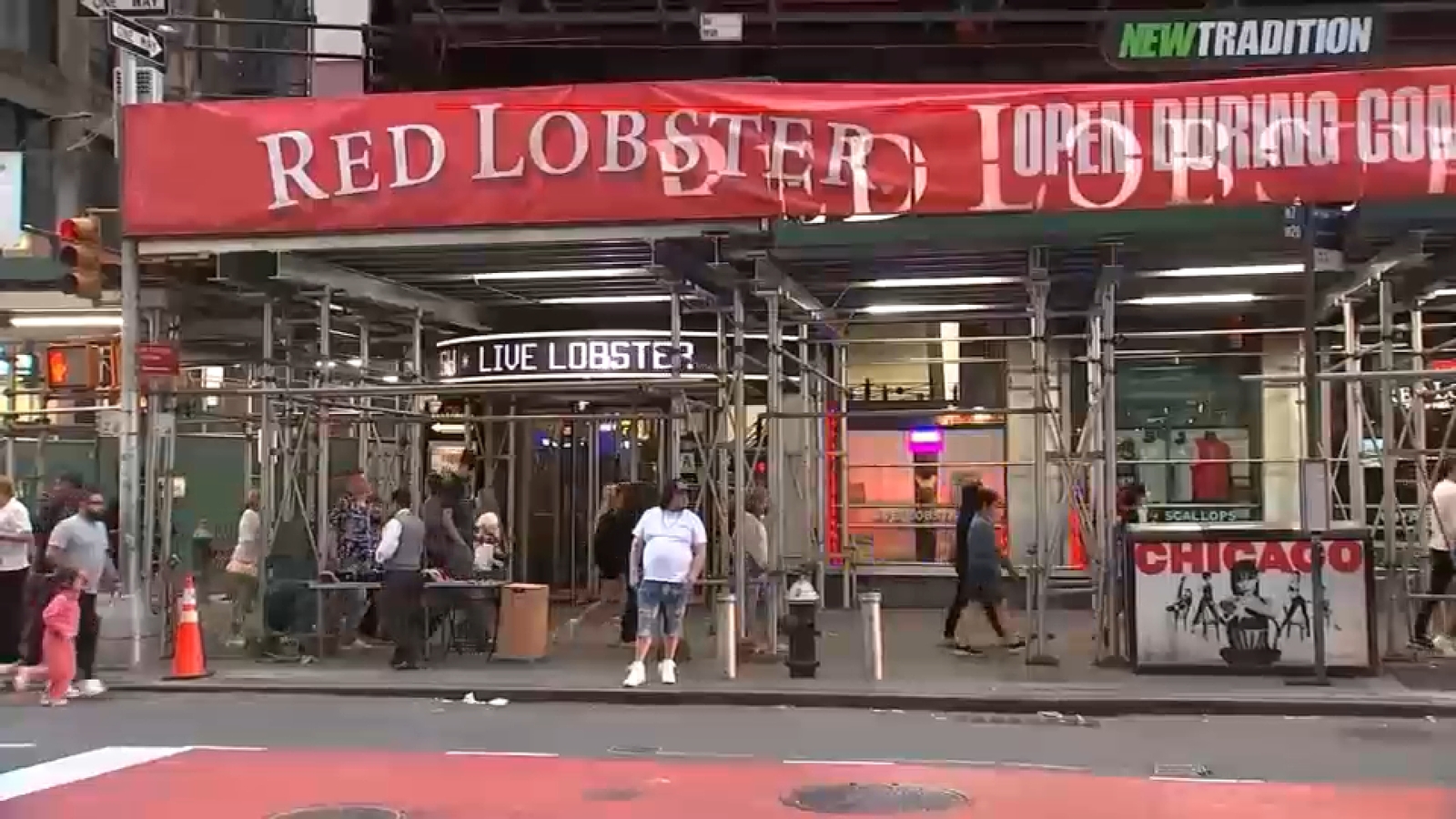
Red Lobster will close its Times Square location on June 14 after prolonged construction reduced access, visibility, and foot traffic, making the restaurant economically unsustainable. The building's planned conversion to residential use also made continued operations nonviable. All affected team members are being offered transfers to other Red Lobster locations plus additional pay during the transition.
This is less about one restaurant closure than about the fragility of low-margin dining formats when external traffic shocks persist. The second-order loser is not just the operator but the landlord/adjacent tenant mix: when a visible, familiar anchor vacates a high-traffic node, the building’s retail rent resets downward and neighboring tenants can see compounding footfall decay before any formal vacancy data shows up.
The more interesting read-through is to mall/urban retail operators and restaurant REITs with exposure to construction, zoning delays, or office-to-residential conversion corridors. In dense tourist districts, even modest access degradation can create a step-function decline in sales because the customer base is discretionary and destination-driven; that means the pain can linger for quarters after work is completed, as habit formation and tenant replacement both lag.
From a consumer standpoint, this is a reminder that casual dining demand is bifurcating: brands with drive-thru, delivery, or suburban convenience are structurally better insulated than walk-in concepts tied to destination traffic. The contrarian angle is that closures like this are usually micro, not macro, for the chain itself; if management can redirect labor and exit rent burdens cleanly, the event can actually be mildly positive for unit economics over the next 6-12 months despite the headline negativity.
AI-powered research, real-time alerts, and portfolio analytics for institutional investors.
Overall Sentiment
mildly negative
Sentiment Score
-0.35
