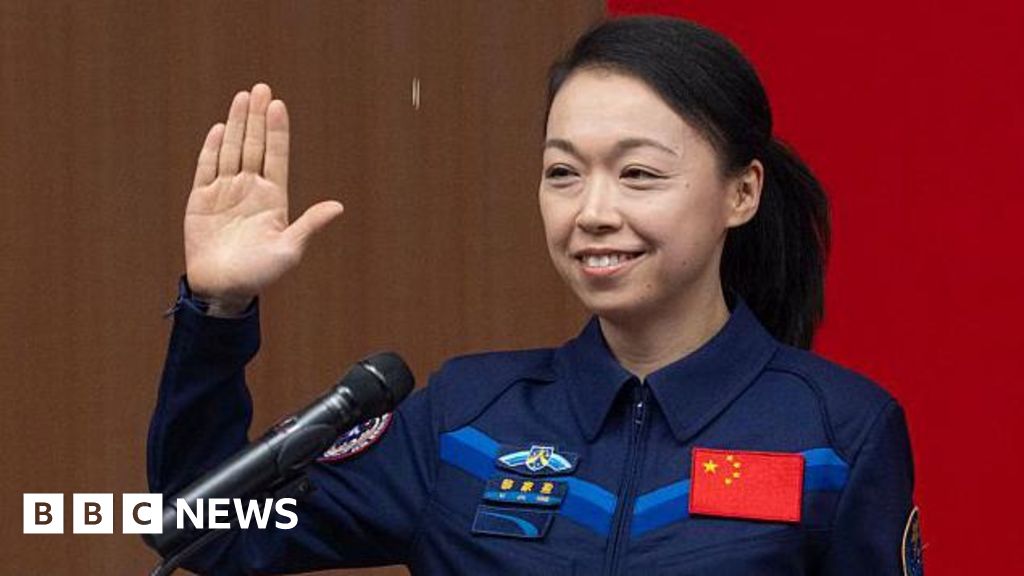
China launched Shenzhou-23 carrying Hong Kong astronaut Li Jiaying, the first Hong Kong astronaut to reach space, aboard a mission to Tiangong space station. The three-member crew will conduct microgravity research, including a potential year-long orbital stay that would be among the longest in history. The mission underscores China's broader lunar ambitions, including a planned crewed Moon program by 2030.
This is less a space headline than a signal that China is moving from prestige launches to sustained human-rating of its lunar stack. The important second-order effect is industrial: once missions extend from six months to a year, reliability requirements jump materially for life support, thermal control, radiation shielding, consumables logistics, and fault-tolerant avionics. That shifts procurement away from one-off launch success toward a recurring ecosystem of mission-critical subsystems, where domestic suppliers with aerospace-qualified manufacturing and test capacity should gain share.
The competitive implication is that China is compressing the timeline for a self-contained cislunar supply chain while the U.S. remains split between Artemis delays and a private sector still optimized for lower-orbit commercial use cases. The market is likely underestimating how much a year-long human mission de-risks lunar architecture: long-duration habitation, medical monitoring, and in-orbit operations are the bottlenecks that matter for 2028-2030 lunar milestones, not just launch cadence. That makes this a medium-term catalyst for Chinese aerospace primes and space-grade electronics, while reinforcing a longer-term strategic overhang on non-Chinese satellite/service vendors facing a more capable domestic competitor.
The contrarian risk is that the mission itself is not an earnings catalyst unless it converts into procurement, and Chinese space programs often monetize slowly through state-directed capex rather than immediate commercial margins. A better way to trade it is via the ecosystems that get repeated testing orders and qualification work over the next 6-18 months. If the year-long crew selection or later Mengzhou test flight slips, the narrative cools; if it succeeds, expect a broader rerating of China space-related defense and industrial names rather than a pure one-day sentiment move.
AI-powered research, real-time alerts, and portfolio analytics for institutional investors.
Request DemoOverall Sentiment
neutral
Sentiment Score
0.15
