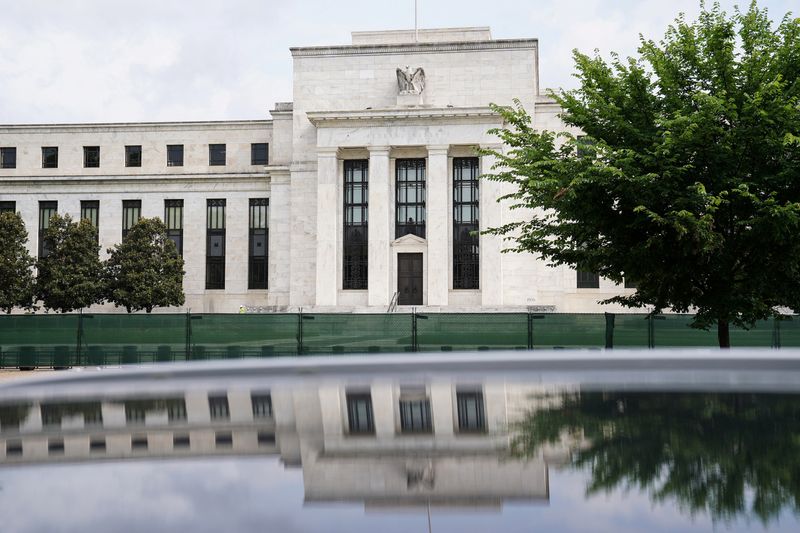
Chicago Fed President Austan Goolsbee said the latest inflation data is "bad news" for the Fed, with the March PCE price index running at a 3.5% annual rate. He signaled the central bank needs more evidence that price pressures are moving back toward 2% before cutting rates, while citing rising oil prices and Iran-related geopolitical tensions as additional risks. The Fed also just delivered a rare 8-4 hold, underscoring heightened policy uncertainty heading into a leadership transition.
This is less about one official’s view than about the policy regime shifting from preemptive easing to an explicit higher-for-longer bias. That matters because the market has been pricing a mild disinflation glide path; if services inflation stays sticky while energy reaccelerates, front-end yields can reprice higher without needing a growth scare. The immediate winner is cash-rich, domestically oriented incumbents with pricing power and low refinancing needs; the losers are duration-sensitive assets that depended on rate cuts to justify multiples.
The second-order effect is on financial conditions rather than the policy rate itself. Even if the Fed does nothing, a repricing of 2-year yields and real rates tightens credit spreads, hurts levered small caps, and delays the housing-rate transmission tailwind that had been expected for H2. For Berkshire specifically, the cash hoard becomes more valuable as a convexity asset: it earns materially more in T-bills while preserving optionality into a volatility event, so the equity is likely to trade like a quasi-duration hedge against policy uncertainty.
The contrarian read is that the market may already be too bearish on cuts and too complacent on the equity implications. A more divided Fed usually increases the odds of a policy mistake in either direction; if growth softens faster than inflation, the next move could still be a sharp easing cycle, which would punish crowded short-duration trades. The clean setup is to own balance-sheet quality and optionality while avoiding the most rate-sensitive cyclicals until the data either decisively rolls over or inflation proves transient again.
AI-powered research, real-time alerts, and portfolio analytics for institutional investors.
Overall Sentiment
moderately negative
Sentiment Score
-0.35
Ticker Sentiment
