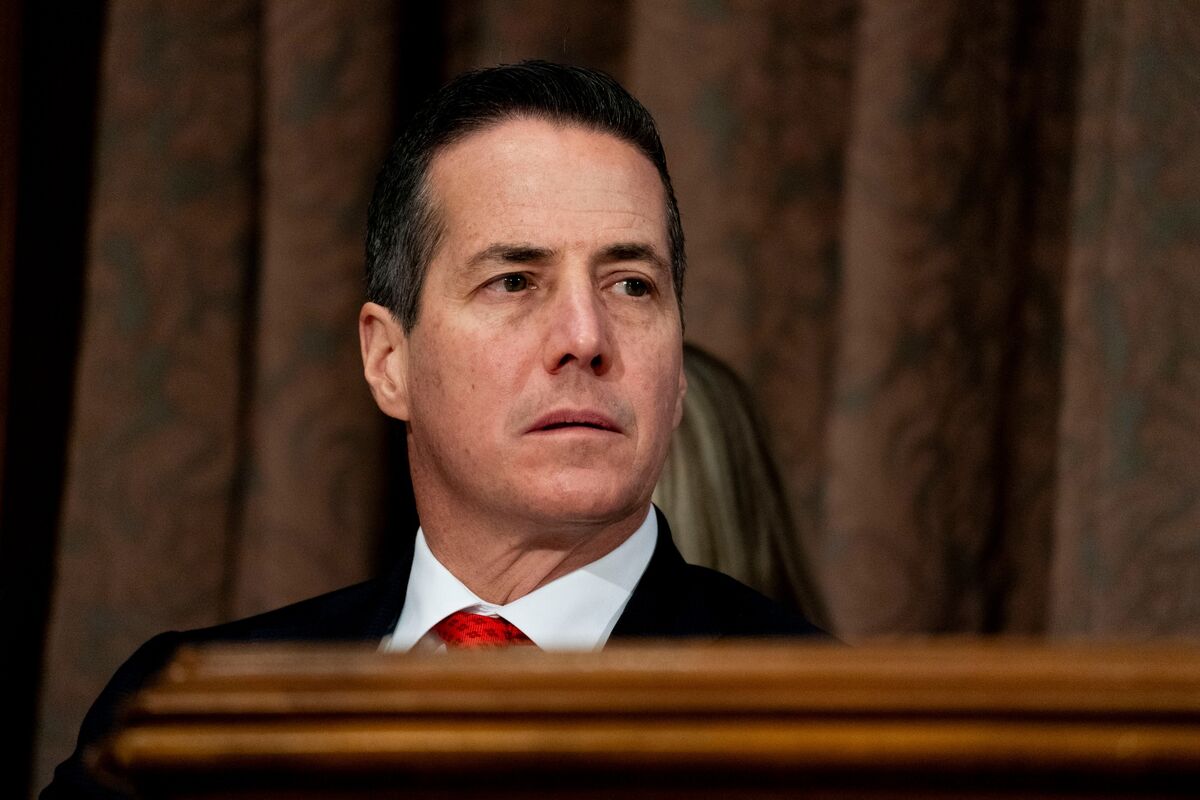
Congressional Republicans are increasingly embracing tariffs, actively lobbying the administration to implement duties specifically designed to protect home-state firms. This strategy, viewed as a politically advantageous tactic for midterm elections, signals a broadening embrace of protectionist trade policies within the GOP and suggests future tariff actions may be more localized and politically motivated.
A notable trend is emerging within the Republican party where Congressional lawmakers are actively lobbying for the implementation of specific import tariffs to benefit companies within their home states. This development indicates a strategic alignment with the Trump administration's protectionist trade agenda, but with a more localized and politically tactical motivation. By framing these protectionist measures as a winning strategy for upcoming midterm elections, these lawmakers are adding political weight to the case for broader and more targeted US tariffs. This shift suggests that future trade policy actions may be less about overarching economic strategy and more influenced by specific, regional political calculations, introducing a new layer of uncertainty for companies reliant on global supply chains. The neutral sentiment of this news reflects the dual impact: while targeted tariffs would shield favored domestic firms from competition, they would likely raise costs for other US businesses and consumers, potentially inviting retaliation.
AI-powered research, real-time alerts, and portfolio analytics for institutional investors.
Request DemoOverall Sentiment
mixed
Sentiment Score
0.00
