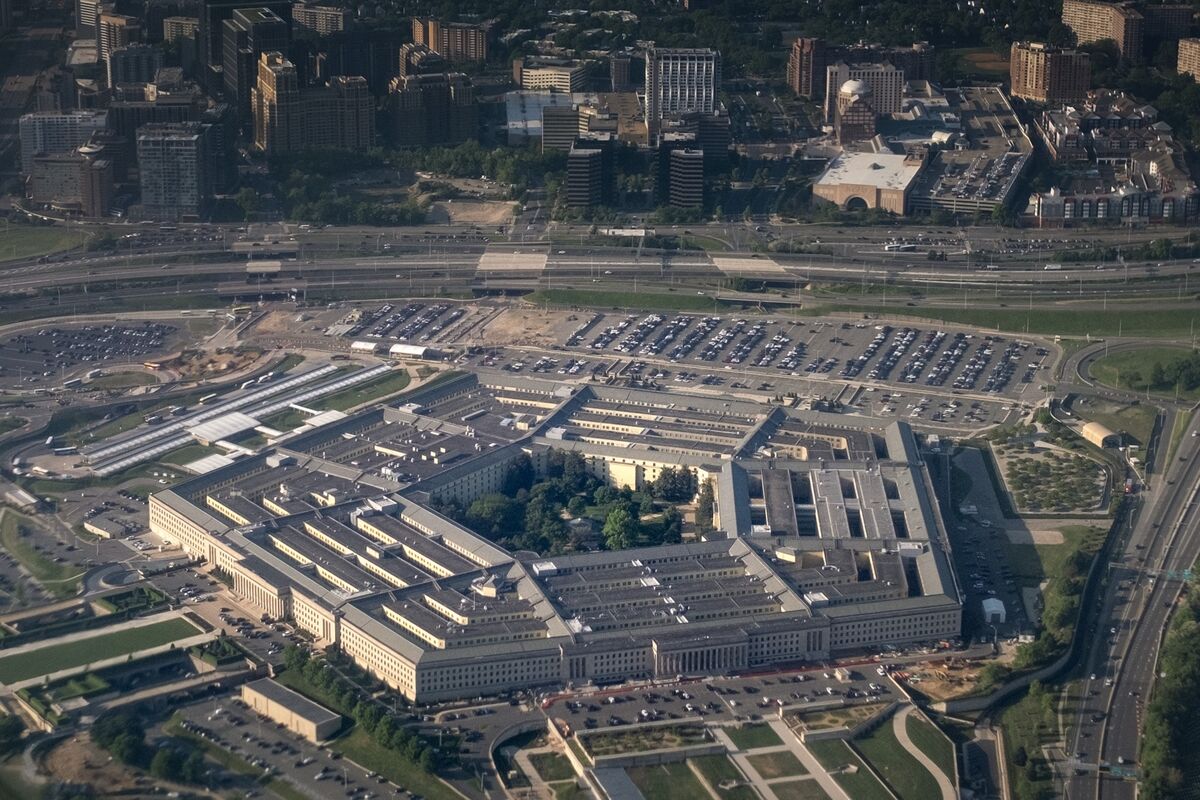
The Pentagon's internal DOGE unit will scrutinize nearly 400,000 open contracts and grants from fiscal year 2026 onwards to identify and reallocate significant savings, as detailed in the recently posted 2026 Budget Highlights document. This initiative aims to trim waste and shift funds to other programs, signaling a substantial push for efficiency within defense spending that could have notable implications for defense contractors and the broader government contracting landscape.
The Pentagon is initiating a significant fiscal discipline measure through its internal DOGE unit, which is set to scrutinize over 400,000 open contracts and grants. This comprehensive review, detailed in the 2026 Budget Highlights document, will commence in fiscal year 2026 with the explicit goal of identifying and trimming waste to generate savings. Importantly, these identified efficiencies are not intended as pure budget cuts but are slated for reallocation to other programs, contingent upon formal requests to and approval from Congress. This action signals a structural shift towards greater accountability and efficiency in defense spending, potentially altering the financial landscape for a vast number of government contractors. While the overall defense budget may not shrink, the internal distribution of funds could change significantly, creating a more competitive environment where contract value and program priority will be under intense review.
AI-powered research, real-time alerts, and portfolio analytics for institutional investors.
Request DemoOverall Sentiment
mildly positive
Sentiment Score
0.35
