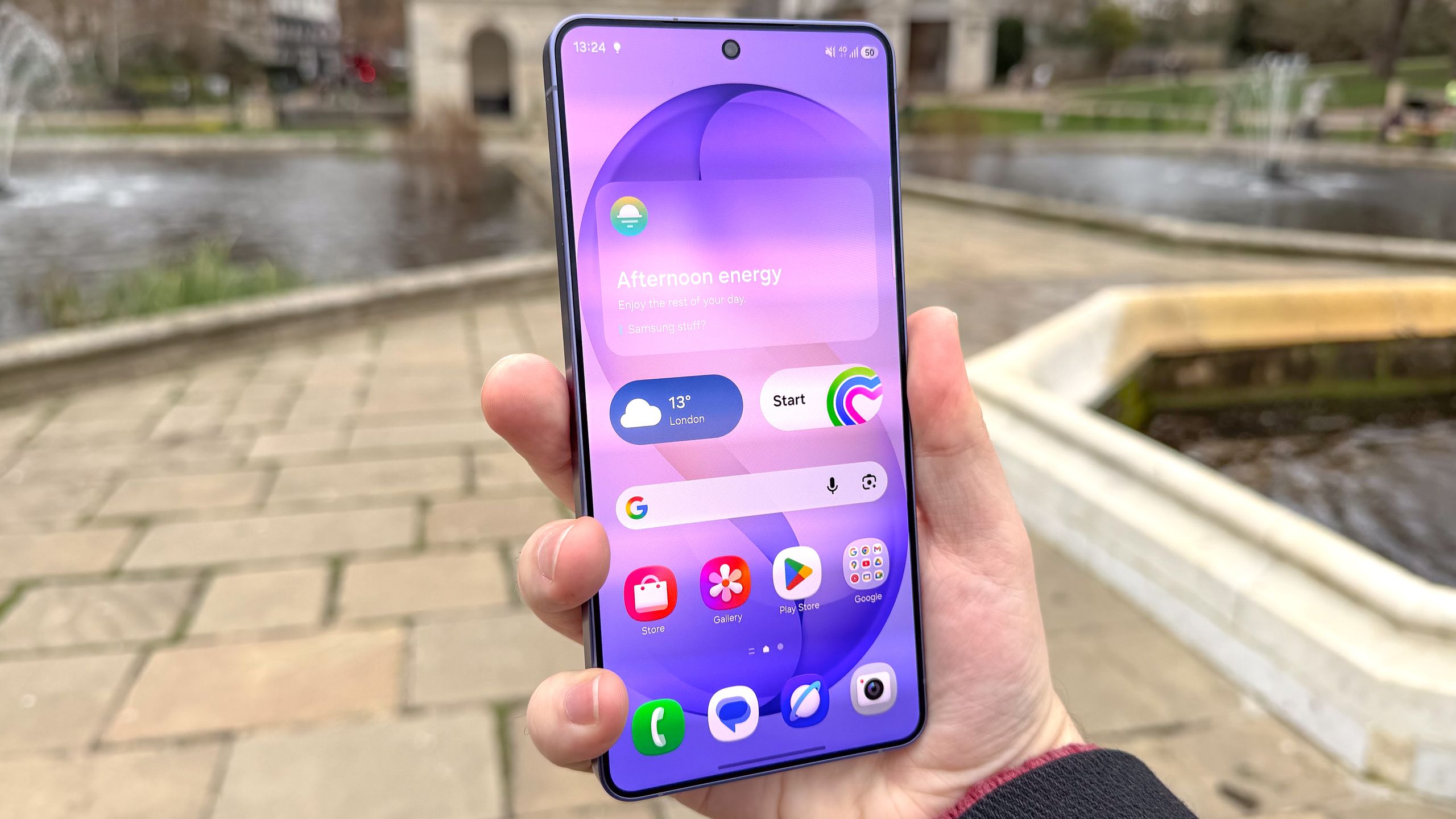
Samsung's Galaxy S26 Ultra demonstrates strong flagship characteristics—notably high-performance Snapdragon 8 Elite Gen 5 gaming at 60/120fps, a 200MP main sensor with capable 50MP ultrawide and 5x telephoto cameras, and solid day-one battery endurance—while some features show limits in real-world use. Measured charging peaked at ~30W (below Samsung's 60W claim unless using specific charger) and the new Privacy Display narrows viewing angles and imperfectly hides some widgets; Galaxy AI features remain limited regionally. Overall, the device reinforces Samsung's premium positioning for the S26 line but highlights incremental, not radical, upgrades that may modestly influence consumer demand for top-tier handsets.
Market structure: Samsung’s S26 Ultra cadence reinforces a premium-tier smartphone market where winners are semiconductor vendors (Qualcomm), image‑sensor suppliers (Sony) and premium component suppliers (display, memory). Higher ASPs for flagship models support supplier margin expansion—expect a 2–5% revenue tailwind for QCOM/SONY from incremental design wins over the next 2–4 quarters if S26 sales track or beat prior Ultra cycles.
Risk assessment: Key tail risks are weaker-than-expected consumer upgrade cycles (a >10% YoY decline in flagship sales would compress supplier orders), regulatory/antitrust scrutiny on embedded AI features, and component shortages or supply chain disruptions (chip fab slowdowns). Time horizons: monitor near‑term signals (30–90 days) like preorders and carrier activations, and medium term (3–12 months) earnings guidance from QCOM/005930.KS; hidden dependency: Samsung’s use of specific third‑party chargers reduces accessory aftermarket revenue.
Trade implications: Tactical exposure should favor semis and imaging over accessories/ODM names; volatility will cluster around holiday demand and Qualcomm earnings (next 1–3 quarters). Options trades: use 3‑month call spreads on QCOM to capture upside while limiting theta; consider 6–12 month exposure to SONY equity for structural imaging demand.
Contrarian angles: Consensus overweights Samsung hardware wins but underestimates incremental software/AI monetization lag—AI features may take 6–12 months to materially boost ARPU. If S26 privacy/display complaints materially reduce enterprise uptake, accessory and privacy‑software vendors could be overvalued; conversely, a >15% beat in preorders would be underappreciated and create a short‑squeeze risk in related suppliers.
AI-powered research, real-time alerts, and portfolio analytics for institutional investors.
Request TrialOverall Sentiment
moderately positive
Sentiment Score
0.45
