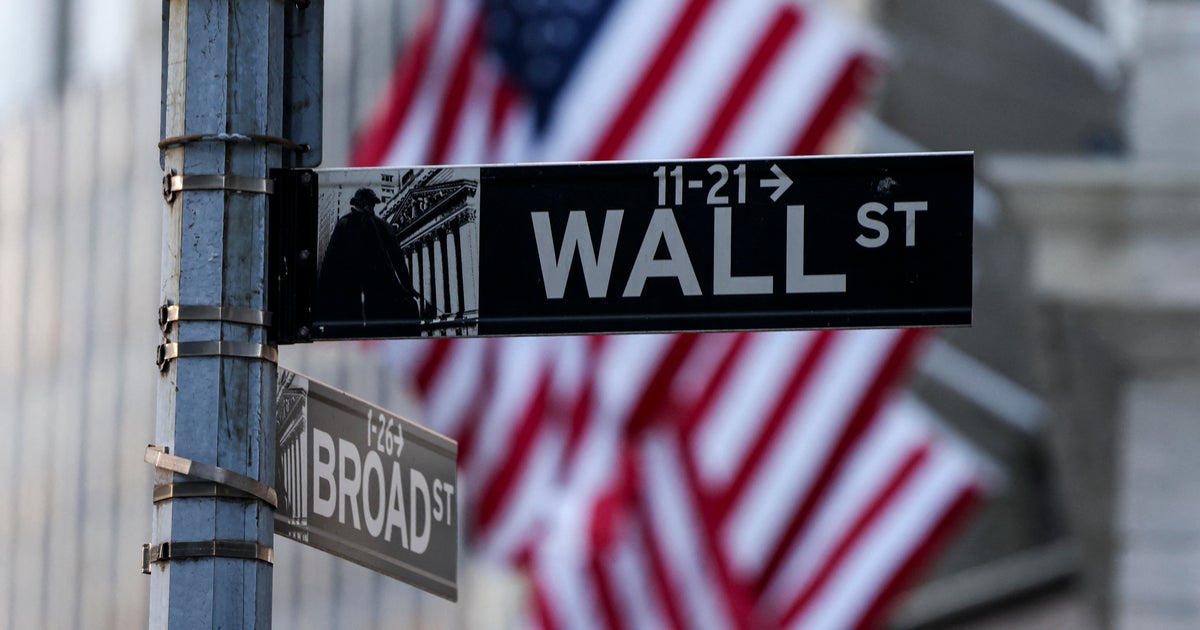
U.S. stock futures plunged in premarket trading (S&P 500 and Dow down ~1.1%, Nasdaq down ~1.6%) as escalating U.S.-Israel strikes in Iran and reports of halted tanker traffic through the Strait of Hormuz sent Brent crude nearly 9% higher to $79.31/bbl, its highest in over a year. Analysts warn that disruption to the Strait — which handles roughly 20% of global oil flows — and Iran’s ~1.6 million bpd exports could tighten supply and lift fuel costs, while U.S. wholesale inflation unexpectedly rose to 2.9% vs. 1.6% expected, increasing the risk the Fed delays rate cuts and adding further pressure to risk assets.
Market structure: Immediate winners are integrated and large-cap E&P names (XOM, CVX, COP) and oilfield services (SLB, HAL) as Brent jumped ~9% to $79; losers are airlines (AAL, DAL, UAL), travel retail, and gasoline-sensitive consumer names. Pricing power shifts to producers—if Strait of Hormuz interruptions persist >3–7 days, crude could spike to $90–120, materially widening producer free cash flow vs. refiners, who face margin compression if crude rises faster than product cracks. Cross-assets: expect oil and gold up, USD bid on risk-off, VIX and oil-vol spike; Treasury direction ambiguous—safe-haven bids vs. higher inflation prints (WPI 2.9%) that push Fed to delay cuts, pressuring real yields.
Risk assessment: Tail risks include a regional blockade or strikes on tanker lanes (Brent >$150 scenario) and a cyberattack on major ports; probability low but impact systemic—global growth hit, stagflation risk. Time horizons: days = volatility and flight-to-safety; weeks-months = oil elevated 10–30% if shipping disruptions persist; quarters = capex and US shale response likely add supply and normalize prices. Hidden deps: shipping insurance costs, SPR releases, China demand, and OPEC+ response; catalysts that can unwind the move include coordinated SPR releases, rapid diplomatic de-escalation, or an OPEC+ output increase.
Trade implications: Favor 3–6 month overweight to large-cap energy (XOM/CVX) and oil-services while underweight airlines and travel (JETS, AAL, DAL). Use options to buy upside exposure (call spreads) and to hedge market downside (S&P put spreads); consider calendar spreads in Brent to capture front-month premium. Rotate into defense contractors (LMT, RTX) for tactical hedges but size modestly given valuation; raise TIPS exposure if Brent sustains >$90 for 10 trading days to protect real purchasing power.
Contrarian angles: Consensus may overstate duration of supply shock—historical parallels (Abqaiq 2019) show large spikes often revert within 2–8 weeks once rerouting/SPR/OEM responses occur. The market may be overpaying for long-dated oil exposure; short-dated volatility is rich—sell very short-dated oil vol if shipping disruptions prove temporary. Unintended consequence: prolonged high oil incentivizes rapid US shale response and Russian/Chinese strategic adjustments, creating a mean-reversion trade to fade rallies after 6–9 months.
AI-powered research, real-time alerts, and portfolio analytics for institutional investors.
Request TrialOverall Sentiment
strongly negative
Sentiment Score
-0.65
