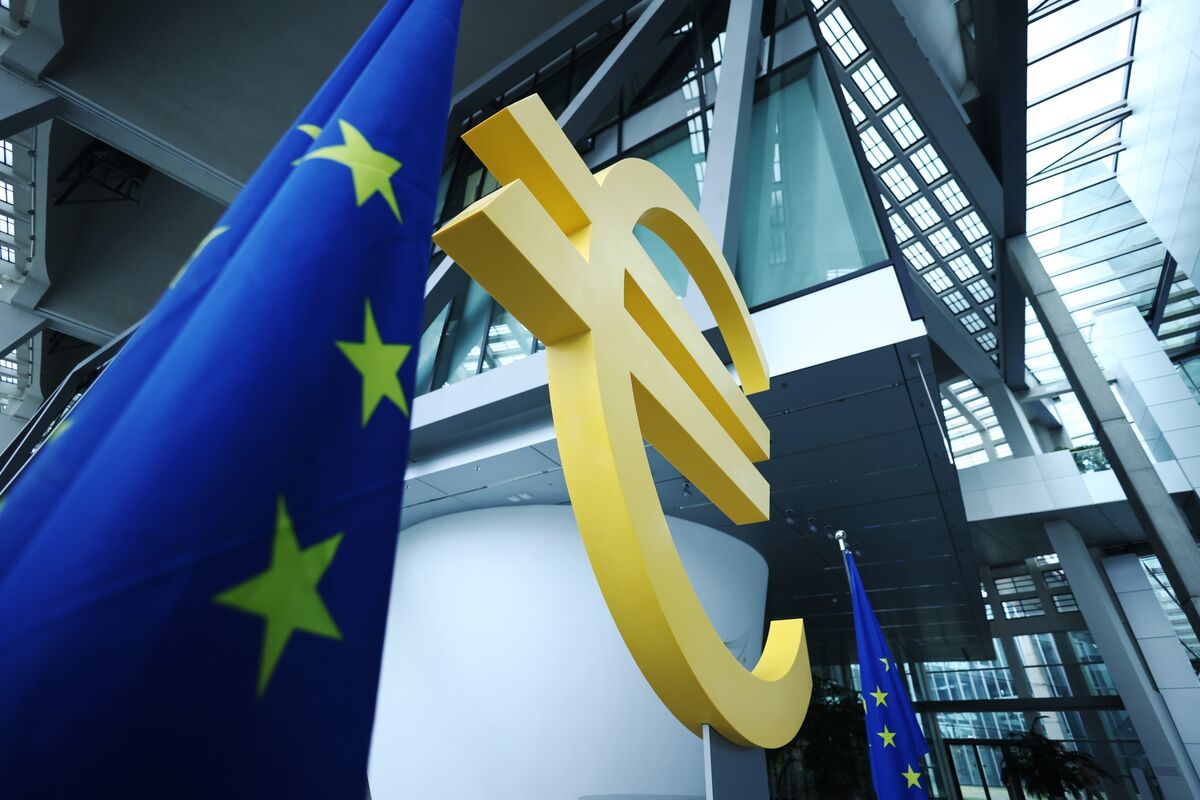
The ECB is leaning toward leaving rates unchanged this month as policymakers assess the economic fallout from the Iran war, with tighter financial conditions helping keep inflation expectations anchored for now. Bank of England Governor Andrew Bailey also said it is too soon to judge the impact of the conflict and he is in no rush to raise rates. The piece reinforces a cautious, data-dependent central bank stance amid geopolitical uncertainty.
The market is likely underpricing how much central banks are now reacting to financial conditions rather than headline geopolitics. A pause here is effectively a signal that policy transmission is already doing some of the tightening work, which tends to flatten the front end and support longer-duration assets if the shock remains contained. The immediate beneficiaries are rate-sensitive equities and credit, but the bigger second-order effect is that higher real rates stay in place for longer, which usually compresses cyclicals and leveraged balance sheets before it shows up in GDP.
The key risk is not the first-order war headline; it is whether energy and shipping disruptions feed through into inflation expectations over the next 4-10 weeks. If that happens, the current “wait and see” stance can flip quickly into a hawkish repricing, especially in Europe where growth is already fragile. That would hurt domestic banks, small caps, and lower-quality credit most, while defense and energy remain the cleanest geopolitical hedges.
Contrarian angle: the consensus may be too quick to treat this as a transitory geopolitical pause for rates. If the ECB and BoE both stay on hold while inflation is still above target, they risk letting market pricing do the tightening for them via wider credit spreads and weaker loan growth, which is more recessionary than a modest policy cut cycle would be. In that setup, the trade is less about directional rates and more about relative beta: long duration assets outperform only if the conflict stays contained and commodities do not reprice materially upward.
The best tactical setup is to fade the idea of an immediate rate-cut rescue in Europe. The more durable opportunity is in pairs that benefit from lower volatility and stable policy expectations versus those exposed to a delayed growth slowdown, because the lagged effects of policy restraint usually show up first in earnings revisions, not in spot data.
AI-powered research, real-time alerts, and portfolio analytics for institutional investors.
Request DemoOverall Sentiment
neutral
Sentiment Score
-0.05
