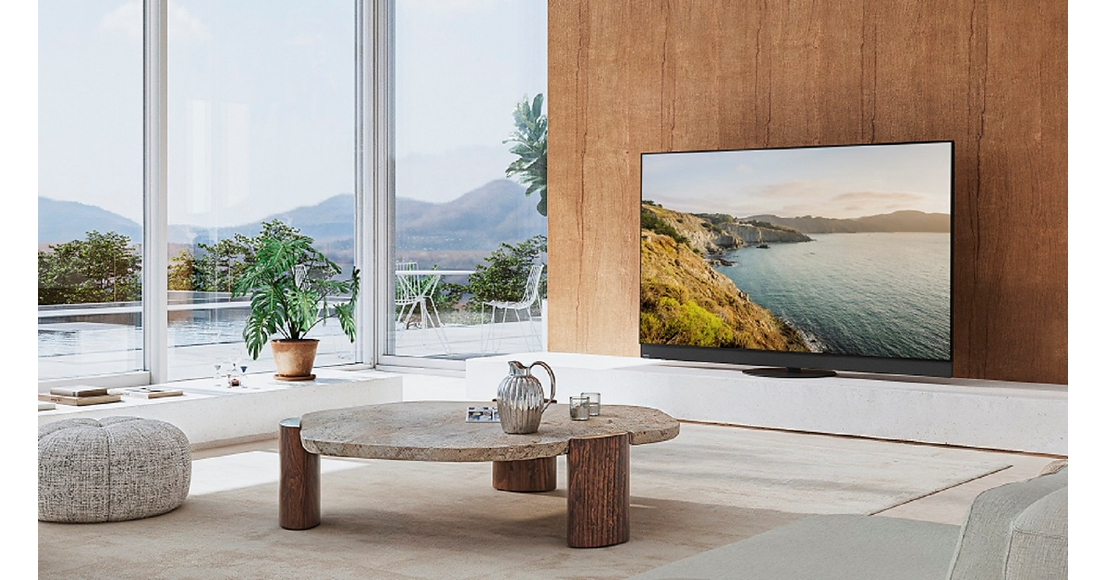
Panasonic (via SKYWORTH USA) announced an expanded 2026 U.S. TV lineup across six series (OLED, QD-Mini LED, and multiple QLED tiers), covering sizes from 32" to 85". Key upgrades include AI-powered picture processing, “Glare Free” anti-reflection tech on select models, and gaming features up to 144Hz with HDMI 2.1 plus VRR/ALLM and AMD FreeSync/NVIDIA G-SYNC support on select sets. The 2026 lineup is expected to start arriving at U.S. retailers in August 2026, with model-level pricing to be announced separately.
This reads as a distribution-and-positioning event, not an earnings inflection. The economic upside sits mostly with the operating system and ecosystem layers (AMZN/GOOGL, to a lesser extent Roku) because incremental installed base creates ad inventory, search queries, and default commerce touchpoints; but on a TV platform this fragmented, the near-term revenue lift is likely immaterial relative to their core businesses.
The more interesting second-order effect is competitive: a broader price ladder can improve shelf presence and raise the promo burden for mid-tier OEMs, but it is unlikely to dislodge premium incumbents in OLED or materially move panel/component demand. The “gaming” and “AI picture” features are marketing until sell-through data proves consumers are paying up; they do not justify a read-through to AMD/NVDA earnings absent evidence of higher attach or silicon content.
Risk is mostly execution and inventory, with the key test in the next 1-3 months being retailer replenishment versus launch sell-in. If channel checks show weak rotation, the story fades quickly; if it works, the structural read-through is 6-18 months of gradual share rebuilding, but with margin pressure from promo intensity and import/logistics volatility. The consensus may be overrating the headline breadth of the lineup and underestimating how small the actual monetization is without meaningful retail traction.
AI-powered research, real-time alerts, and portfolio analytics for institutional investors.
Overall Sentiment
mildly positive
Sentiment Score
0.12
Ticker Sentiment
