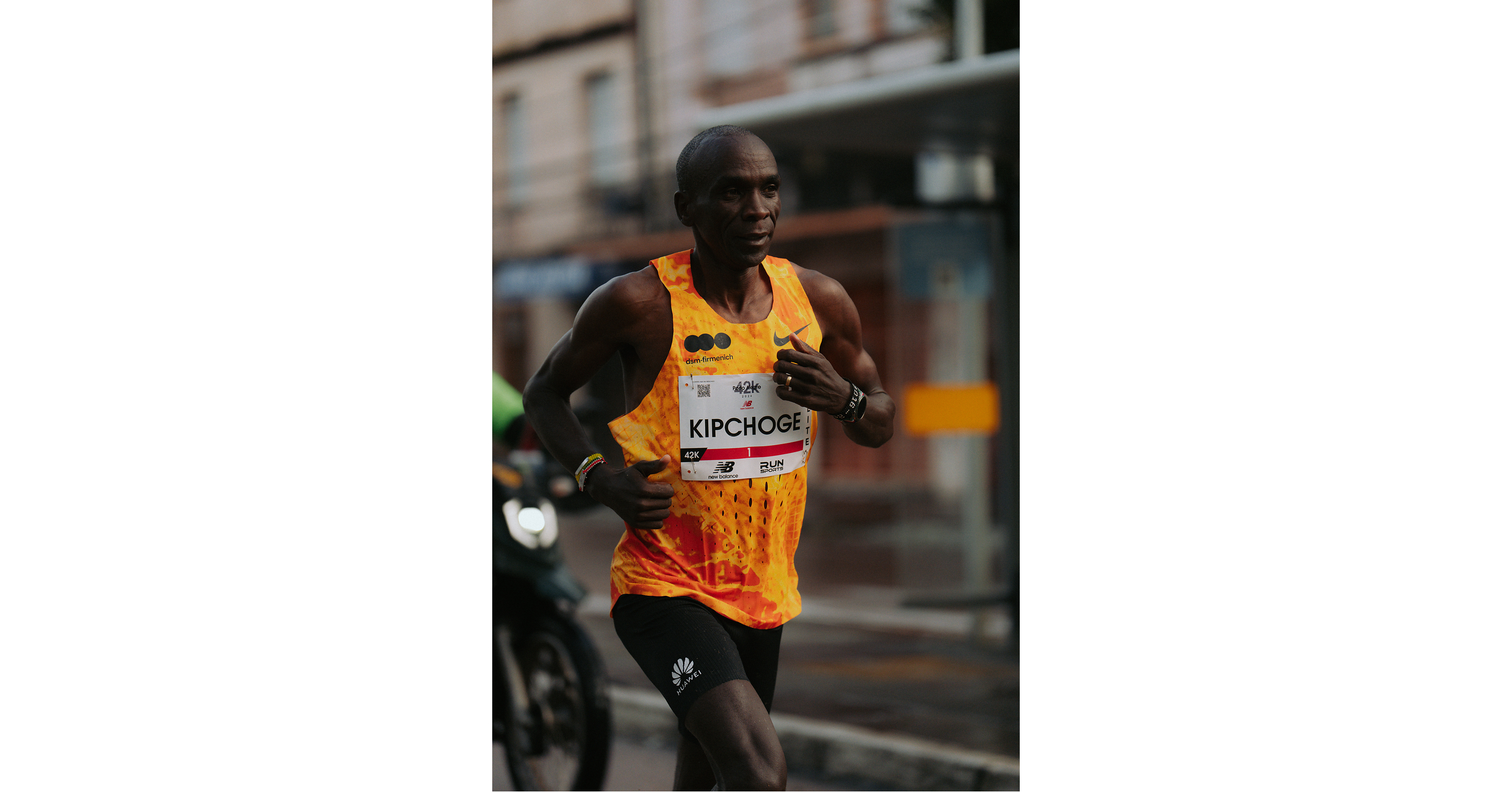
Huawei introduced the HUAWEI WATCH GT Runner 2 in connection with Eliud Kipchoge’s NB42K Porto Alegre marathon, positioning it as a consumer-accessible GPS-precision and full-marathon (42.195 km) pacing/monitoring solution. The watch adds an “Intelligent Marathon Mode” for World Athletics Label training/race phases and a real-time virtual pacing feature that calculates deviations from target pace each kilometer. The article is promotional with no financial metrics, implying limited near-term market impact beyond consumer tech interest.
The investable read-through is not about a single watch launch; it is about feature commoditization in the premium running category. If “lab-grade” GPS and pacing tools are becoming mass-market, hardware differentiation shrinks and value migrates to software, coaching, and ecosystem lock-in. That is incrementally negative for pure hardware wearables with limited recurring revenue, and relatively more supportive for platform owners that can monetize health data and services rather than just the device sale.
Near term, the main catalyst is channel evidence, not the ambassador story. Over the next 1-3 months, watch Brazilian/LatAm sell-through, retailer promo intensity, and Amazon rankings; aggressive pricing would pressure Garmin/Polar/Suunto-style competitors on ASPs before it shows up in reported unit share. Outside China, however, Huawei still faces brand-trust and compatibility friction, so the probability-weighted outcome is more noise than structural share capture unless there is visible retail expansion.
The contrarian view is that the market may overread celebrity validation as evidence of durable adoption. In wearables, replacement cycles are long, switching is easy, but ecosystem habits are sticky; without evidence of higher attach to apps, subscriptions, or repeat purchases, this is likely PR rather than a sustained demand inflection. Falsifier: if Garmin’s next print shows flat-to-up running-watch ASPs and no promo pickup, the competitive threat is probably overstated; if promo activity rises in Brazil and Europe, the margin pressure thesis becomes actionable.
AI-powered research, real-time alerts, and portfolio analytics for institutional investors.
Overall Sentiment
mildly positive
Sentiment Score
0.15
