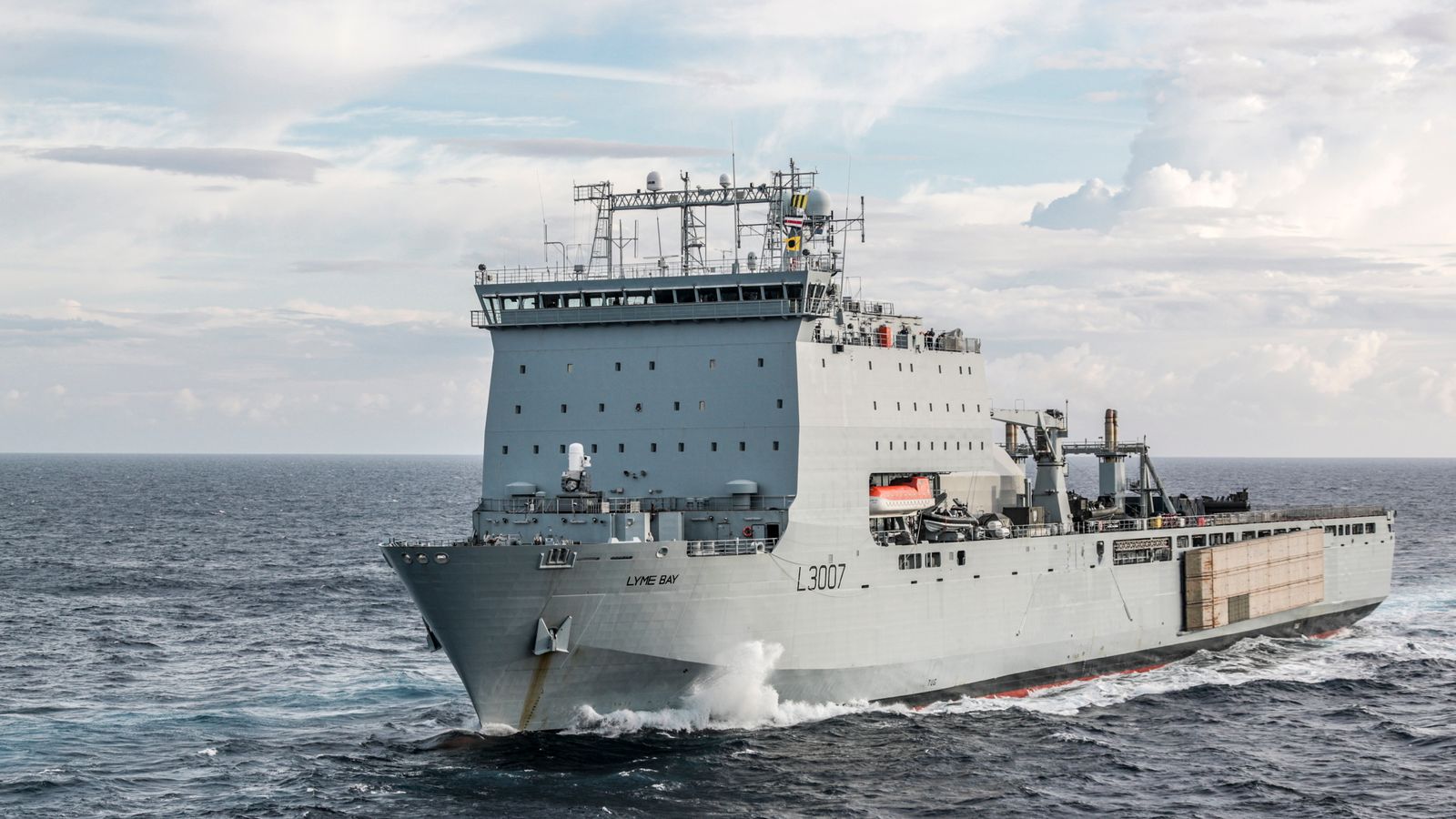
The UK is weighing options to protect commercial shipping through the Strait of Hormuz, including deploying HMS Dragon, pre-positioned autonomous mine-hunters and placing RFA Lyme Bay on heightened readiness. Defence Secretary John Healey is coordinating with E5 European allies and military planners on mine-countermeasure and evacuation options, but stressed preparations are “early days.” Continued attacks on tankers raise near-term upside risk to oil prices and supply-chain disruption for energy flows, creating sector-level pressure on energy and shipping markets.
The immediate market impact will be concentrated in three linked markets: tanker freight & asset values, short-term oil price volatility, and defence/maritime security suppliers. If transit insurance and war-risk premiums double (a realistic near-term outcome), owners of VLCCs and Suezmaxes can see time-charter equivalent (TCE) rates rise 30–70% within 2–8 weeks as operators either accept higher risk or reroute around Africa, adding ~7–14 days per round-trip and materially lengthening cycle times for floating storage economics.
A sustained period of escorted transits and mine-countermeasure operations (1–6 months) creates a demand impulse for autonomous surface vessels, mine-hunting systems and command-and-control upgrades — a procurement window where primes with existing naval robotics/IP can win expedited contracts and follow‑on sustainment. Conversely, logistics players with tight refined-product supply chains (Mediterranean/Europe import nodes) face elevated inventory churn and margin pressure if refinery runs trim runs to manage crude feedstock tightness; expect regional spreads to widen and short-term arbitrage to become more active over 1–3 months.
Tail risks skew to a sharp supply shock: a temporary >10% contraction in throughput at Hormuz for several weeks would likely lift Brent by 15–30% inside a month absent immediate strategic oil releases — the main reversals would be credible diplomatic de‑escalation or demonstrable, sustained multinational protection that normalises war-risk premiums within 4–8 weeks. For investors, the alpha opportunity is timing exposure to the path of security solutions and freight economics rather than a simple directional oil bet: buy the service providers and constrained asset owners early, hedge the binary oil upside with defined-risk options.
AI-powered research, real-time alerts, and portfolio analytics for institutional investors.
Request DemoOverall Sentiment
mildly negative
Sentiment Score
-0.25
