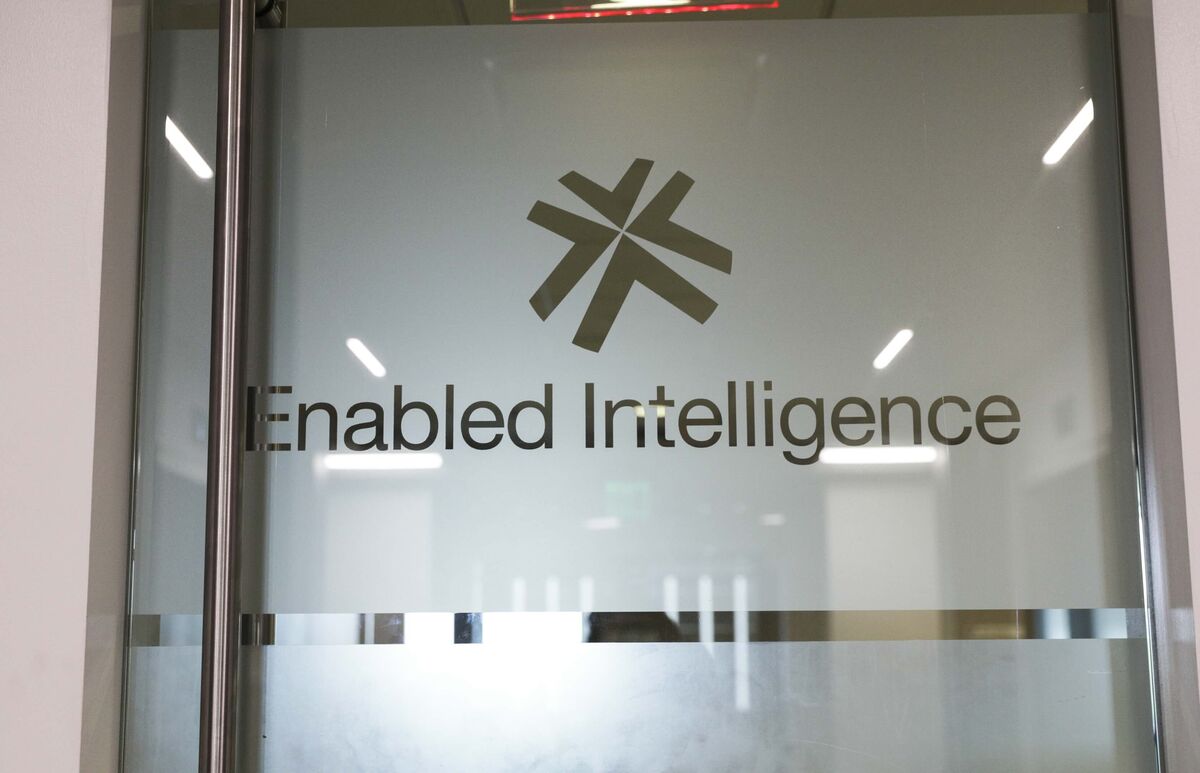
Enabled Intelligence, a Falls Church, Virginia startup founded in 2020, won a seven-year contract to provide data labeling for AI/ML to the U.S. Department of Defense and intelligence community, beating larger rival Scale AI. The National Geospatial-Intelligence Agency disclosed the award after the government shutdown; the contract has a ceiling of $708 million and is the agency’s largest data-labeling effort to date. The decision underscores rising federal demand for labeled data for defense AI and represents a procurement setback for Scale while validating a smaller vendor in the defense AI supply chain.
Market structure: The award validates a non‑incumbent supplier model and increases bargaining leverage for cleared, niche labeling vendors; expect a 5–15% bid‑premium for mid‑tier government IT/analytics contractors that can scale cleared labor in 6–18 months. Larger AI infra/software vendors see limited direct revenue upside from a $708m ceiling over 7 years (~$100m/year) but suffer reputational and competitive pressure — pricing power for labeling services will fragment, not consolidate. Cross‑asset: expect modest tightening in high‑grade defense credit spreads (5–30bps) if wider DoD services ramp; equity impacts should be concentrated in mid‑caps and cybersecurity names, with FX/commodities negligible.
Risk assessment: Tail risks include GAO/procurement protests, program declassification shifts, or a major data breach that could void contracts — any of which could wipe 30–70% of expected revenues for a small vendor. Immediate (days) volatility will track procurement headlines; short term (3–9 months) depends on task order issuance and workforce hiring; long term (2–5 years) hinges on DoD AI budget trajectory and classified dataset expansion. Hidden dependencies: cleared workforce, access to classified imagery, and subcontractor offshore restrictions — bottlenecks that can delay revenue by 6–12 months. Key catalysts: GAO protest timeline (30–120 days), FY26 DoD AI budget decisions (6–12 months), and first-year task order awards.
Trade implications: Favor selective long exposure to mid‑cap government IT/analytics and cybersecurity; avoid paying high multiples for pure‑play data labeling software absent recurring contracts. Pair trades: long cleared government services (BAH, CACI) vs short unprofitable AI infrastructure names that trade on narratives. Options: use 6–12 month call spreads to gain asymmetric exposure to winners while capping premium loss. Rotate 1–2% from general AI/growth into defense and cybersecurity over 2–6 weeks, scale after first task orders.
Contrarian angles: The market may overemphasize headline size; $100m/year is immaterial to large primes but material to mid‑caps — mispricing exists in mid‑cap contractors without visible labeling capability. Historical parallels: small vendors that won early classified DoD work (e.g., Palantir origins) can re‑rate, but many winners fail to scale due to clearance and ops constraints. Unintended consequences include stronger antitrust/procurement scrutiny and competitors accelerating low‑cost offshore labeling that compresses margins; those risks are actionable within 3–12 months.
AI-powered research, real-time alerts, and portfolio analytics for institutional investors.
Request DemoOverall Sentiment
neutral
Sentiment Score
-0.05
