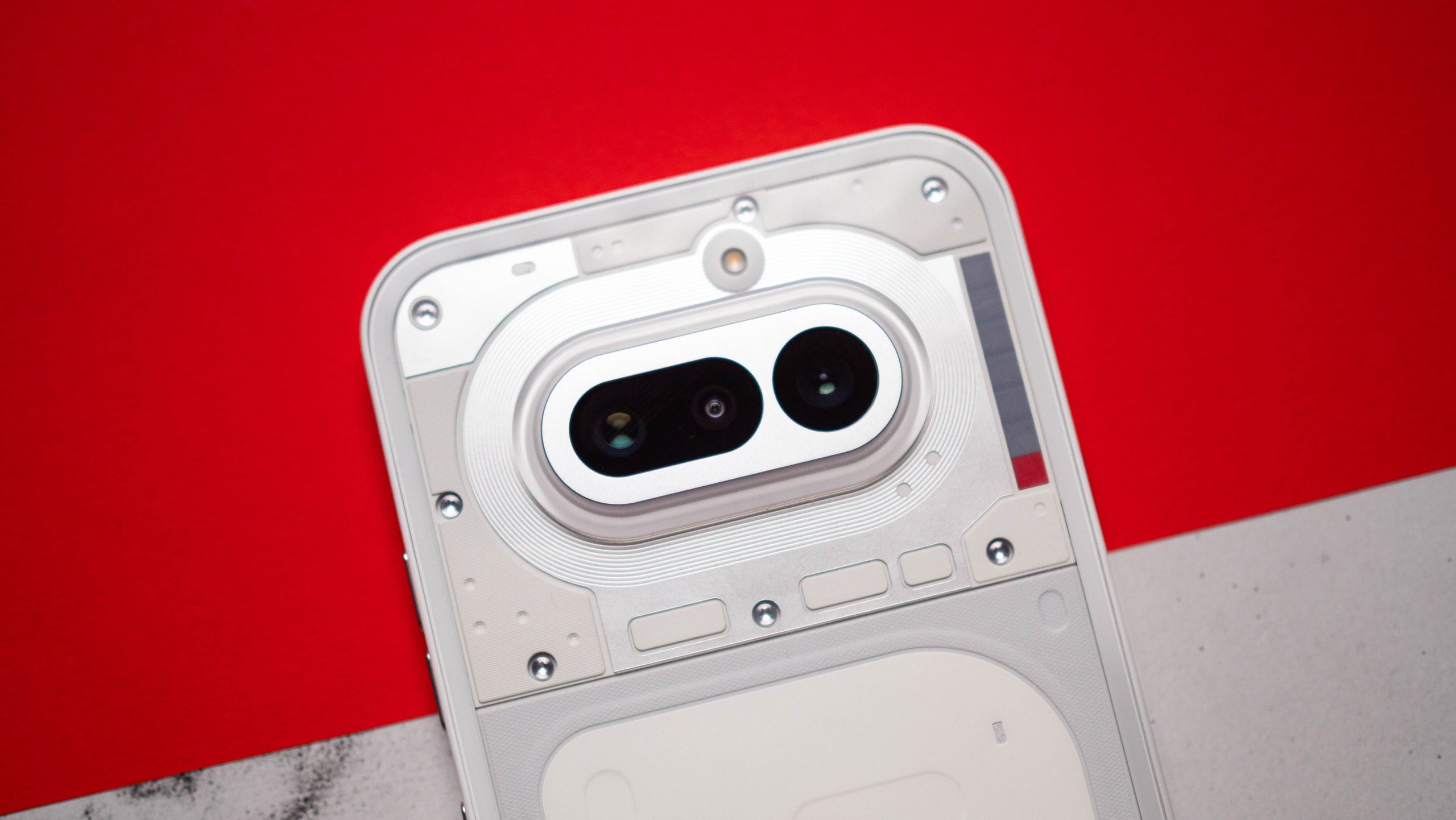
Nothing is rolling out an OS update to the Phone 4a this week that extends real-time Glyph Bar alerts to the Always-on Display, lock screen, status bar and notifications. The update also adds a Relaxation Hub with three breathing widgets (Calm, Focus, Relax), a Community Edition clock, Depth Effect (beta), an Essential Apps widget and a long-requested AI Eraser for removing artifacts/people; older devices will receive the changes in the coming weeks.
This release is a classic example of a small OEM using software velocity to punch above its weight: frequent, visible updates shift value from one-time hardware spec wars into recurring user experience improvements that can meaningfully raise retention and wallet share over 6–18 months. That dynamic favors component suppliers whose products are marginally upgraded or re-qualified across refresh cycles (sensors, haptics, NPUs) because OEMs will prefer partners who can support fast feature rollouts without long validation windows.
A second-order supply effect: if more OEMs chase on-device AI and richer haptics, qualification and inventory for specialty components (micro-actuators, LED/illumination modules, NPU-enabled SoCs) will tighten supply in the next 2–4 quarters, increasing bargaining power for component suppliers and compressing OEM margins unless they pass costs to consumers or carriers. Similarly, carriers and retailers will become gatekeepers for adoption — new UX features matter only if distribution scales, so any momentum is likely to be geographically concentrated where carriers subsidize mid-range upgrades.
Counterpoint and risk: the strategy is scale-dependent. Software cadence without distribution rarely moves share; the incremental LTV lift from these features is likely mid-single-digit percent unless the OEM converts trial users at scale. Key reversals would be slower uptake, regulatory attention around on-device AI/data or battery/thermals forcing feature rollback — each could wipe out the modest premium suppliers might otherwise extract.
AI-powered research, real-time alerts, and portfolio analytics for institutional investors.
Request DemoOverall Sentiment
mildly positive
Sentiment Score
0.30
