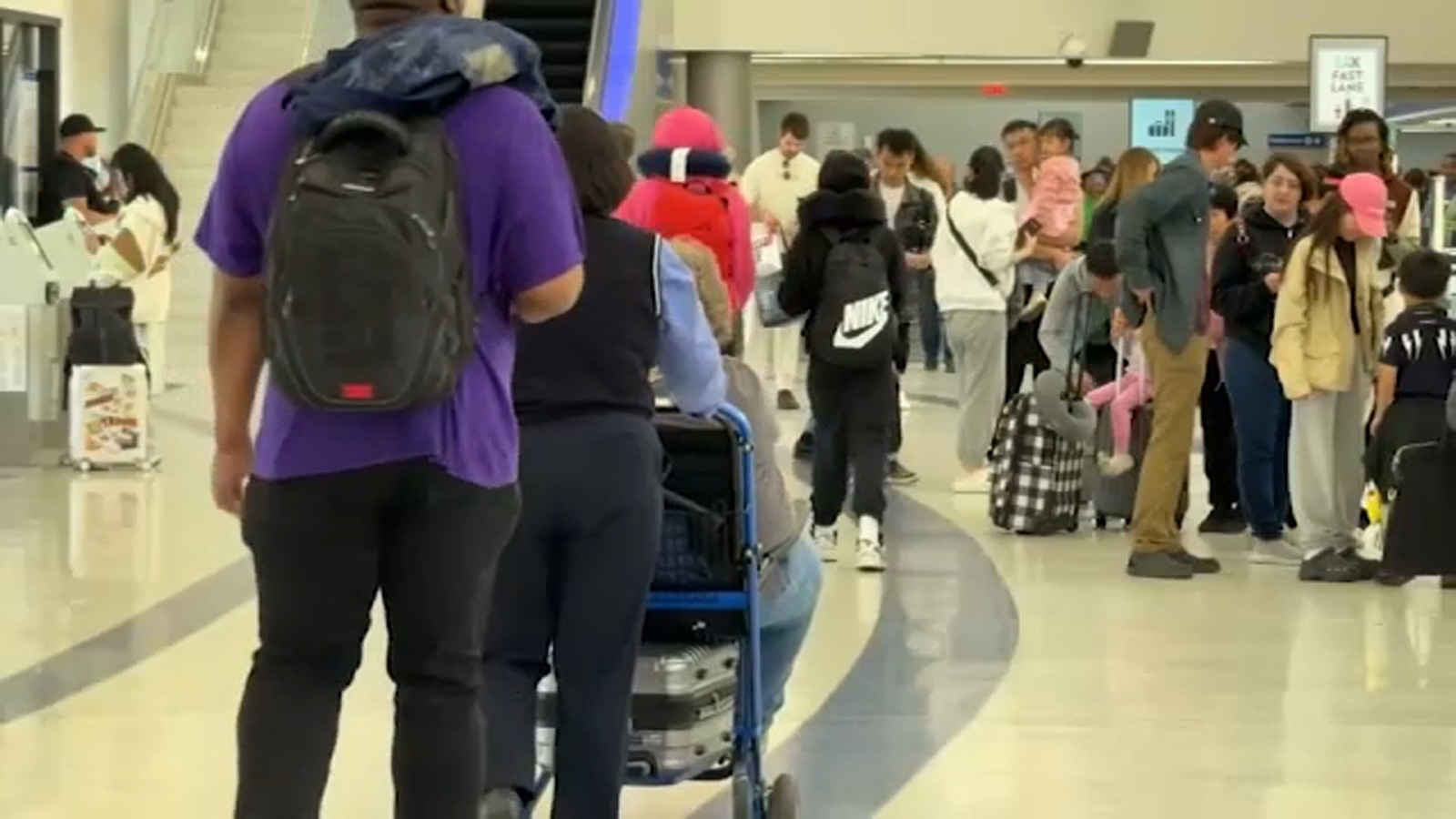
Homeland Security Secretary Markwayne Mullin is threatening to remove federal customs officers from airports in sanctuary cities, which could disrupt international flights at Los Angeles International Airport and other major hubs including San Francisco, New York, and Chicago. The proposal drew pushback from Transportation Secretary Sean Duffy and Los Angeles Mayor Karen Bass, who cited the upcoming World Cup as a reason it is unlikely to proceed. The U.S. Travel Association warned the move could have devastating consequences for travel demand and international visitation.
This is less a direct earnings event than a policy shock with asymmetric optionality around a few highly visible gateways. The first-order hit lands on airport operators and anything levered to inbound international spend, but the second-order damage is broader: hotels, conventions, luxury retail, ground transport, and local tax receipts all get hit if travelers begin to price in administrative unpredictability rather than just a one-off disruption. Because the threat is specifically tied to federal processing at major hubs, even a limited implementation would create a reputational overhang that can depress bookings before any operational change occurs.
The more important variable is timing. In the next few weeks, the World Cup acts like a near-term circuit breaker, which makes outright execution unlikely but also increases headline volatility as the market oscillates between bluff and follow-through. That creates a classic “low probability, high impact” setup: if the market assigns only modest odds to action, travel-adjacent names may not reprice enough for the tail risk, but if even partial staffing reductions are announced, the impact on international arrivals could be immediate and measurable in forward guidance.
A subtle beneficiary could be domestic leisure and drive-to demand, as some international trips are deferred rather than canceled outright; that helps regional leisure markets more than gateway cities. Another second-order effect is political: if federal agencies back off after public scrutiny, the episode reinforces the idea that the actual weapon is signaling, not implementation, which limits medium-term downside but increases churn around event-driven headlines. The consensus may be underestimating how quickly corporate travel planners and tour operators re-route inventory once “process risk” becomes part of the decision tree.
From a trading standpoint, the cleanest expression is to hedge gateway exposure into the event window rather than chase after confirmation. The best risk/reward is in short-dated structures that monetize a jump in implied volatility if the administration escalates rhetoric while capping downside if the plan remains rhetorical. If the policy never advances, the trade should decay quickly; if it does, the repricing in travel and hospitality should be sharp and not limited to California.
AI-powered research, real-time alerts, and portfolio analytics for institutional investors.
Request DemoOverall Sentiment
moderately negative
Sentiment Score
-0.35
