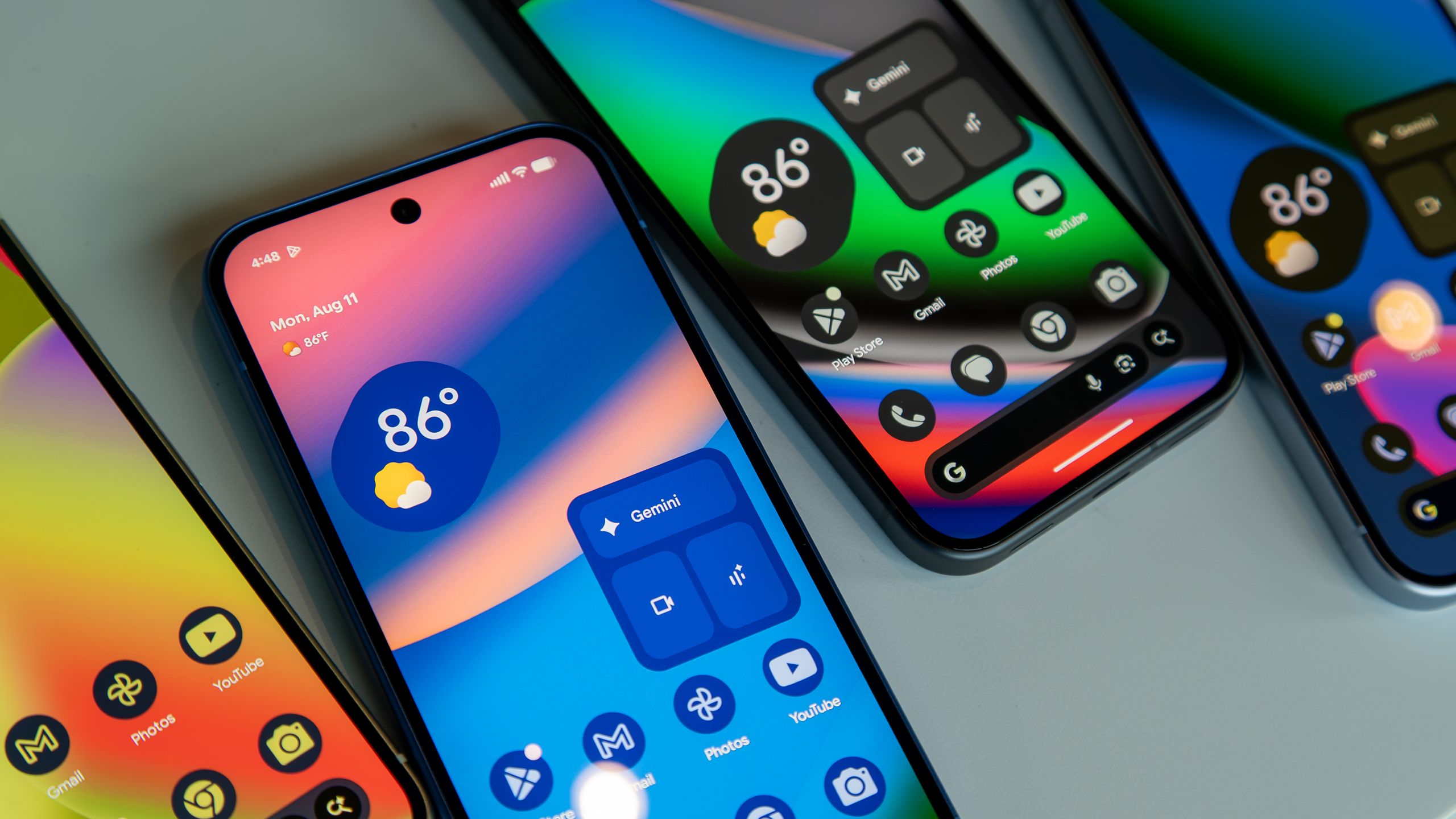
Google accidentally signaled the release of Android 17 Beta 1 but has confirmed the build is not rolling out today; the timing remains unspecified. The update tightens platform requirements by forcing apps to support orientation and resizability for foldables and large-screen devices and introduces performance improvements (a generational garbage collector and memory/notification optimizations) plus new professional media and camera tools. Immediate market impact is minimal, but the changes signal a strategic push to prioritize large-screen and foldable device experiences that could influence app development roadmaps and OEM device differentiation over the medium term.
Market structure: Google (GOOGL/GOOG) is the primary beneficiary — controlling a mandatory OS-level requirement accelerates app optimization and raises switching/friction for alternative platforms. Suppliers to foldables and high‑performance phones (Qualcomm QCOM, Corning GLW, Sony SNE for sensors) see demand skew; I estimate incremental panel/SoC orders could rise 15–30% over 12–24 months if OEMs push foldable adoption. Small independent Android-first app developers face higher development costs and potential margin compression as resumable/resizable UI work becomes mandatory.
Risk assessment: Immediate market impact is muted (days) — accidental beta announcement may be noise; key short-term catalysts are I/O 2026 and Samsung/Pixel foldable launches (weeks–months). Tail risks: regulatory scrutiny (antitrust) if Google’s enforcement is seen as exclusionary, and developer backlash causing slower app ecosystem growth (low probability, high impact over 6–18 months). Hidden dependencies: OEM adoption cadence, battery/SoC thermal limits, and monetization shifts in app stores could materially change the economic payoff.
Trade implications: Favor infrastructure and supply chain exposure: establish modest longs in GOOGL (2–3% portfolio) and QCOM (1–2%), with GLW (0.5–1%) and SNE (0.5–1%) as tactical plays; use a 3–9 month horizon and trim after I/O or device launch if adoption lags. Options: buy a 3‑month GOOGL call spread (buy 5% OTM, sell 15% OTM) sized to 0.5–1% notional to play I/O/Pixel catalysts. Avoid large exposure to small-cap Android-dependent app names where retooling costs hit margins.
Contrarian angles: The market underestimates this as an infrastructure re-rating rather than a consumer feature push — Google enforcing standards creates recurring demand for tooling, middleware, and SoCs over 12–36 months (benefiting MSFT/Unity-like tooling suppliers). Historical parallel: early Android tablet-era enforcement failed without OEM/hardware backing; this time OEM investment in foldables + generational SoC improvements reduces that risk. Unintended consequence: faster fragmentation cleanup could temporarily depress ad-monetization for small apps, creating short opportunities in niche mobile ad/analytics vendors.
AI-powered research, real-time alerts, and portfolio analytics for institutional investors.
Request DemoOverall Sentiment
neutral
Sentiment Score
0.05
Ticker Sentiment
